This simple method helps you avoid costly plumber mistakes with PVC pipes…
This Simple Method Helps You Avoid Costly Plumber Mistakes with PVC Pipes
Even the most seasoned professionals can stumble over the simplest tasks, especially when it comes to **PVC** and **PRC pipe repairs**. Mistakes in this area not only lead to wasted time but can also cost you a fortune in repairs. The good news? You can learn from these errors and save yourself the hassle. Let’s explore the **five most common mistakes** made by plumbers and how to avoid them.
1. Not Using the Right Primer and Cement
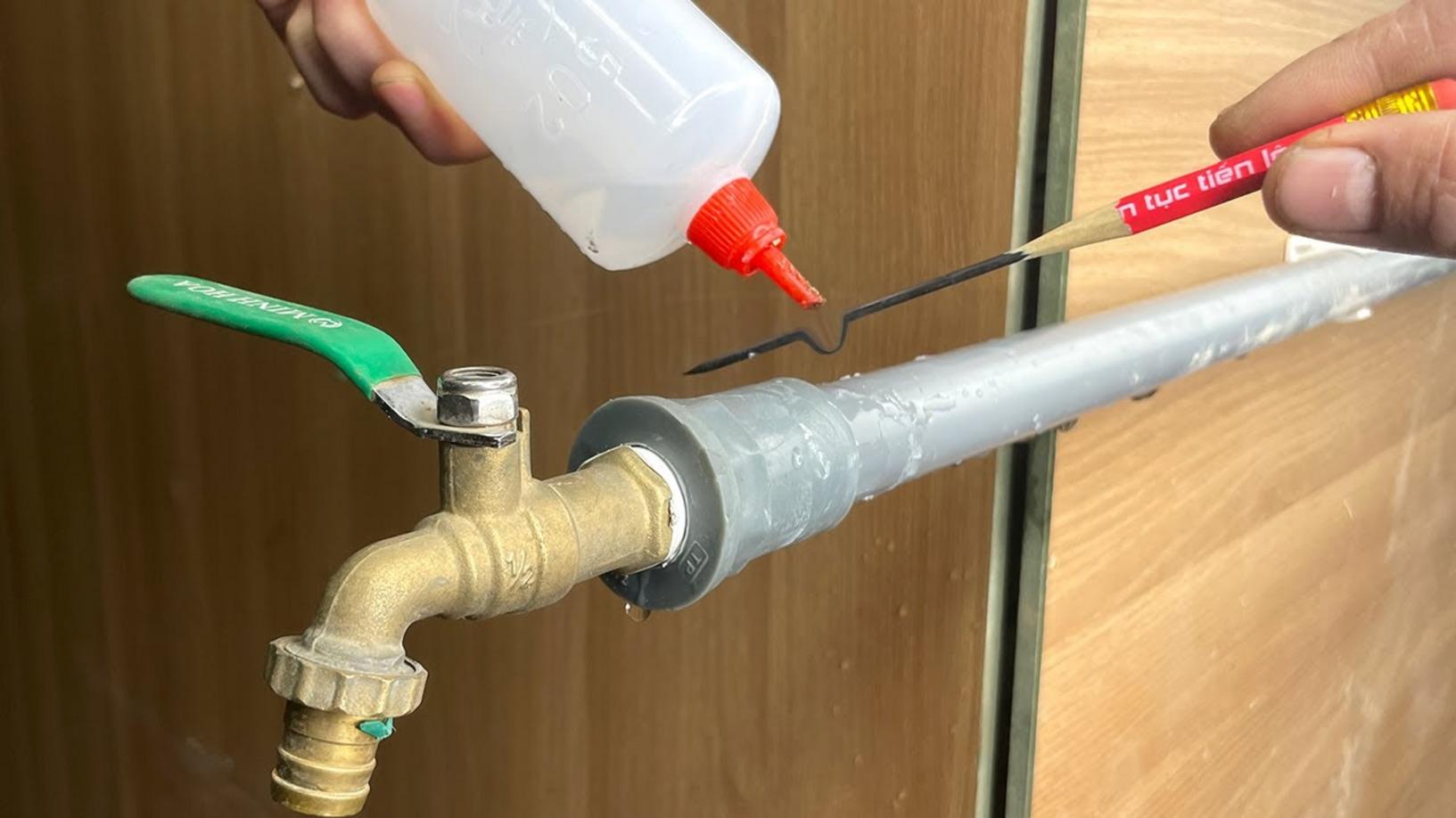
It’s tempting to skip the primer when working with **PVC pipes**, but this is a crucial step. Without it, the bonding becomes weak, leading to leaks and failures. Always opt for a **high-quality primer** and cement specifically designed for PVC. Apply the primer generously, then follow up with the cement for a strong, lasting bond.
Tip:
- Ensure both surfaces are clean and dry before applying.
- Work quickly, as the cement sets fast.
2. Incorrect Pipe Measurements
Taking precise measurements is vital. One of the most frustrating errors is cutting pipes too short, leading to wasted materials and additional costs. Measure twice and cut once! Make sure to account for the depth of fittings.
Tip:
- Use a pipe cutter for a clean, accurate cut.
- Mark measurements clearly on the pipe.
3. Over-tightening Connections
It may seem like a good idea to tighten fittings as much as possible, but this can lead to cracks and leaks. **PVC** is sensitive to pressure, so follow the manufacturer’s recommendations for tightening. A good seal is important, but more isn’t always better!
Tip:
- Consider using Teflon tape on threaded joints to ensure a secure fit.
- Inspect the connection for leaks after tightening.
4. Ignoring Temperature and Environmental Factors
PVC pipes can warp or crack under extreme temperatures. If you’re working in hot or cold conditions, choose materials that are suitable for your climate. Also, ensure the pipes are protected from direct sunlight, as UV rays can damage them over time.
Tip:
- Store PVC pipes indoors when possible.
- Use insulating materials if pipes will be exposed to extreme weather.
5. Poor Ventilation
When doing repairs, a poorly-ventilated area can cause problems with solvent fumes and lead to improper curing of the cement. Always ensure that your workspace is well-ventilated to allow for proper drying and to ensure your safety.
Tip:
- Open windows or use fans to improve air circulation.
- Wear a mask if you’re sensitive to fumes.
Conclusion
By avoiding these **common plumber mistakes**, you can ensure your **PVC and PRC pipe repairs** are successful and cost-effective. Each mistake is an opportunity to learn, so take these tips to heart and approach your plumbing projects with confidence. Remember, success in DIY plumbing is within your reach!
If this guide has helped you, subscribe to our channel for more practical DIY tips, fun projects, and hacks. Experience the joy of creating and fixing things yourself—let’s dive into the world of home improvement together!