15 Tough Seed Starting Lessons You’ll Wish You Knew Sooner
15 Tough Seed Starting Lessons You’ll Wish You Knew Sooner
Are you ready to take your gardening to the next level this spring? Instead of purchasing transplants, why not explore the rewarding journey of starting seeds at home? Not only does this method kick off your gardening season early, but it lets you choose from a wide variety of options found in gardening catalogs. However, starting seeds indoors can be trickier than it seems. Here are 15 lessons I’ve learned through my gardening experience to help you succeed this summer.
1. Don’t Skimp on Lighting
Lighting is crucial for seed germination. Initially, I set up my seed-starting station by a south-facing window, expecting ample natural light to suffice. Unfortunately, my seeds germinated slowly and became leggy due to insufficient light. By adding a second row of grow lights and adjusting their height, my seedlings thrived, sprouting sturdy stems and lush leaves. Lesson learned: invest in proper lighting.
2. Keep Things Labeled
A labeling system is essential to avoid confusion. In my first year, I neglected to label my seedlings, assuming I could identify them later. This mistake resulted in a chaotic garden with improperly sorted plants. Using simple wooden plant labels made a world of difference, ensuring I could easily identify each variety.
3. Maintain Good Airflow Between Plants
Packing seedlings tightly together may seem efficient but can lead to problems. Poor airflow increases the risk of diseases. I learned this the hard way when a downy mildew outbreak devastated my cucumber sprouts. Adequate spacing and a fan can help maintain air circulation and prevent such issues.
4. Pay Attention to Unwanted Pests
Indoor seedlings are not immune to pests. A hungry mouse once uprooted my pepper plants, forcing me to start over. Now, I proactively set out humane traps to catch any intruders before they can do damage.
5. Think Through Pot Sizing Beforehand
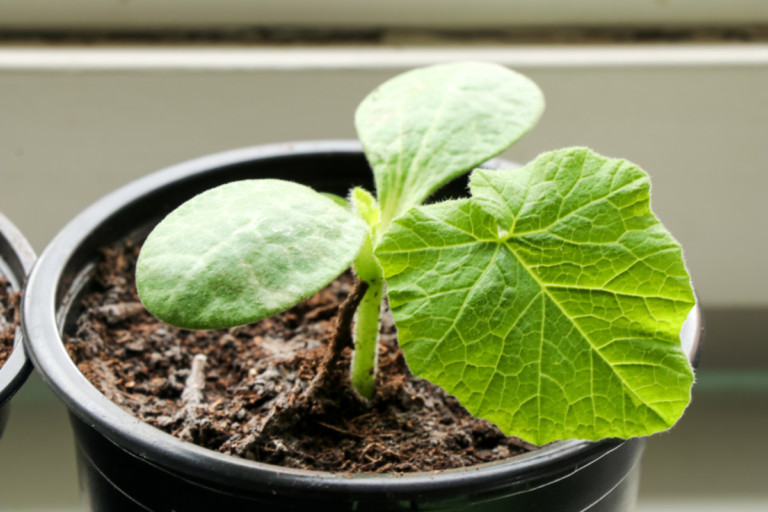
Different plants require different pot sizes. Some seeds do poorly in small containers, while others need ample space to grow. Opt for larger pots for squash and cucumbers, while using flats with smaller holes for delicate flower seeds to maximize your growing space.
6. Don’t Plant Seeds Too Deep
Each seed variety has specific planting depth requirements. I made the mistake of using a standard depth for a pepper variety that needed to be sown on the surface, resulting in poor germination. Always check seed packet instructions and consider using a planting ruler to ensure proper depth.
7. Don’t Overcrowd Your Growing Space
While it can be tempting to transplant every seedling, overcrowding leads to stress and reduced health among plants. I learned that sticking to a manageable quantity per space results in better growth and vitality.
8. Start Sensitive Plants Later Than You Think You Need To
Timing is critical when starting seeds. I often began too early, leading to stressed plants that struggled to thrive outdoors. Now, I adhere strictly to guidelines regarding last frost dates and start seeds accordingly.
9. Help Plants Adjust to the Outdoors Slowly
Acclimatizing your seedlings to outdoor conditions, known as “hardening off,” is vital. I rushed this process, resulting in damaged plants. Instead, I now gradually expose them to outdoor conditions, beginning with shadier areas to minimize stress.
10. Water Just Enough (Never Too Little!)
Finding the right balance in watering is essential. Seeds need consistent moisture without becoming waterlogged. Regularly checking on moisture levels and using drip trays to catch excess water can prevent issues like damping off, which can wilt and rot seedlings.
11. Don’t Tempt Your Luck by Leaving Seedlings Outside
Always heed weather forecasts. I learned the hard way when frost ruined my plants after I underestimated the temperature. Now, I bring my seedlings indoors when there’s a risk of frost until I’m sure the conditions are safe.
12. Keep Records from Year to Year
Documenting your gardening process is invaluable. I assumed I would remember my planting dates and germination rates, but I quickly forgot. A gardening notebook helps you track all pertinent information for future reference, ensuring continued success.
13. Choose Good Potting Soil the First Time Around
The quality of your potting soil directly affects your seedlings’ growth. I initially opted for a cheaper blend, which resulted in stunted plants. Switching to a nutrient-rich potting mix significantly improved my results, emphasizing the importance of investing in high-quality soil.
14. Protect Your Seeds for the Following Year
Don’t let leftover seeds go to waste. I lost mine to mice because I didn’t store them properly. Use a hard-sided container to protect your seeds from pests and light exposure.
15. Don’t Give Up Too Soon!
Starting seeds indoors can be challenging, but the rewards are worth it. The satisfaction of nurturing plants from seed to harvest makes the effort invaluable. Embrace the learning curve, and remember that every mistake provides an opportunity for growth.
Conclusion
With these seed starting lessons in mind, you’re better equipped to tackle your gardening challenges head-on. Embrace the journey, and you’ll reap the delicious rewards of your efforts in no time. Happy gardening!