10 Tips to Grow Orchids That Bloom Like Crazy and Develop Abundant Roots
10 Tips for Growing Orchids That Bloom Vibrantly and Develop Strong Roots
- Understanding Orchids
- Ideal Growing Conditions
- Watering Techniques
- Common Mistakes to Avoid
- Frequently Asked Questions
Have you ever brought home a stunning orchid, only to watch it wilt and struggle to thrive in your care? Many orchid enthusiasts find themselves perplexed when their beautiful plants fail to blossom, leaving them wondering what went wrong. The key lies in understanding their specific needs, from proper watering to optimal light conditions. By learning more about these exquisite plants, you can cultivate a breathtaking display of blooms and healthy roots. Keep reading to unlock the secrets of successfully growing orchids.
Understanding Orchids
Before diving into the care of orchids, it’s essential to grasp their unique characteristics. Orchids belong to the largest family of flowering plants, known as Orchidaceae. With thousands of species around the globe, their requirements can vary significantly.
1. Identify Your Orchid Type
Understanding the specific type of orchid you have is crucial, as care methods differ between varieties. Common types include:
- Phalaenopsis: Known for their flat blooms and ease of care.
- Cattleya: Recognizable by their stunning, fragrant flowers.
- Dendrobium: Features a bushy growth and multiple blooms.
2. The Importance of Root Health
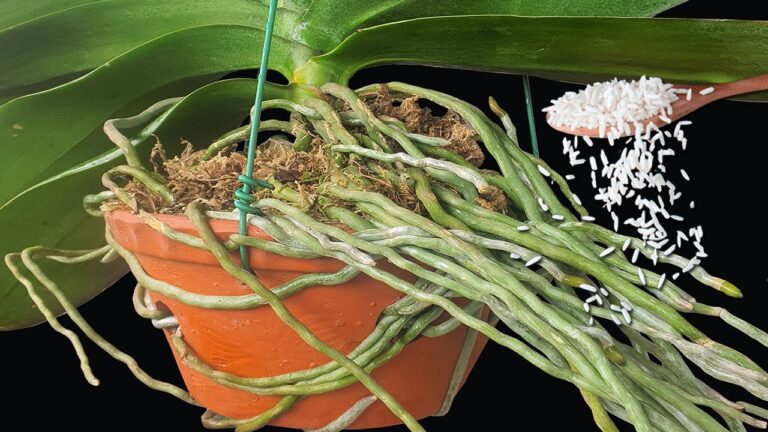
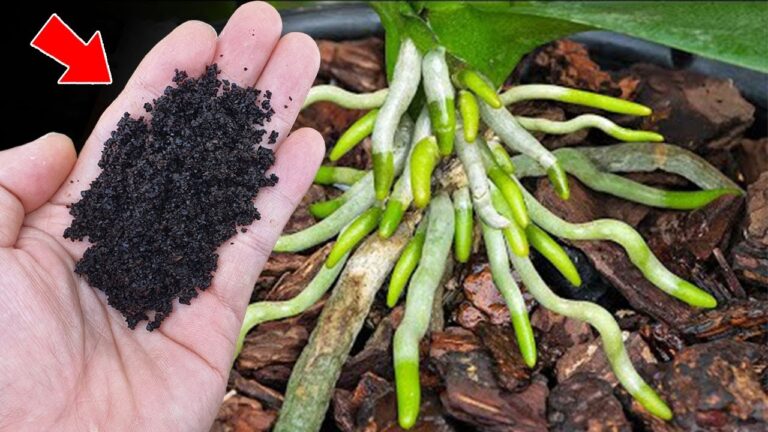
Orchid roots play a significant role in their overall health. They are designed to absorb moisture and nutrients efficiently. A strong root system not only supports the plant’s growth but also enhances its ability to produce blooms. Healthy roots are often firm and green, indicating a thriving plant.
Ideal Growing Conditions
Creating the right environmental conditions is vital for your orchids’ success. Here are the main aspects to focus on:
1. Light Requirements
Orchids thrive in bright, indirect light. Placing them near a window with filtered sunlight is ideal. Too much direct sunlight can damage their leaves, while too little light may prevent blooming.
2. Temperature and Humidity
Maintaining a balance of temperature and humidity is essential. Most orchids do best in temperatures ranging from 65°F to 75°F during the day and slightly cooler at night. Humidity levels should be kept between 40% to 70% for optimal growth. Consider using a humidity tray or misting your orchids to maintain moisture levels.
3. Proper Potting Mix
Use a well-draining potting mix specifically designed for orchids. This often includes materials like bark, perlite, and sphagnum moss, which facilitate proper aeration and moisture retention.
Watering Techniques
Getting the watering right can be a game changer for your orchids. Here are some effective techniques:
1. Watering Frequency
Orchids generally prefer to dry out slightly between waterings. Check the potting mix by inserting your finger about an inch deep. If it feels dry, it’s time to water. As a guideline, watering once a week is a good starting point.
2. Watering Method
To water your orchids, drench the potting mix thoroughly and allow excess water to drain out. This helps prevent overwatering, a common issue that can lead to root rot.
3. Quality of Water
Using filtered or rainwater is often preferred, as tap water may contain chemicals that negatively affect orchid health. If you must use tap water, let it sit for 24 hours to allow chlorine to evaporate.
Common Mistakes to Avoid
When growing orchids, it’s easy to make mistakes that can hinder their health. Here are some pitfalls to watch out for:
1. Overwatering
One of the biggest mistakes is overwatering, which can lead to root rot. Always ensure your pot has drainage holes and let your orchids dry slightly between waterings.
2. Neglecting Fertilization
Orchids benefit from regular feeding, especially during the growing season. Use a balanced orchid fertilizer every 2-4 weeks, diluting it to half strength to avoid fertilizer burn.
3. Ignoring Pests
Keep an eye out for pests such as mealybugs and aphids. If you spot them, treat the plant promptly with soapy water or a gentle insecticidal soap to prevent infestations.
Frequently Asked Questions
1. How often should I repot my orchid?
Orchids typically need to be repotted every 1-2 years, or when the potting mix breaks down or the roots outgrow the container.
2. Why isn’t my orchid blooming?
Insufficient light, improper watering, or unhealthy roots can prevent blooming. Ensure your orchid is in a suitable environment and check for root health.
3. Can I grow orchids outside?
Yes, many orchids can be grown outdoors in suitable climates. However, they need protection from direct sunlight and harsh conditions.
Conclusion
Successfully growing orchids involves understanding their unique needs, ensuring ideal growing conditions, and avoiding common mistakes. By following these tips, you can enjoy the beauty and grace of blooming orchids in your home. Do you have any personal orchid care tips to share? We’d love to hear your experiences in the comments!