4 Digestive Symptoms You Should Never Ignore for Better Health!
4 Digestive Symptoms You Should Never Ignore for Better Health
Many people experience occasional digestive discomfort, but sometimes these sensations signal deeper issues. You might find yourself dealing with bloating after meals, an unexpected change in your stool, or persistent stomach pain. These symptoms can disrupt your everyday life, leaving you wondering whether they indicate something more serious. Ignoring them could lead to further complications and hinder your overall well-being. Stay with me as we unpack the digestive symptoms that warrant your attention and why recognizing them is crucial for maintaining your health.
Understanding Digestive Symptoms
Your digestive system plays a vital role in your health, processing the food you eat and extracting essential nutrients. However, when something is off, it can manifest in various ways. Understanding these signs can help you determine when you need to take action.
1. Recognizing Signs of Discomfort
Many individuals are unsure about what qualifies as a warning sign. Here are some key symptoms to pay attention to:
- Persistent abdominal pain: While occasional discomfort is normal, ongoing pain should be taken seriously.
- Frequent diarrhea or constipation: Changes in your bathroom habits that last more than a few days are a concern.
- Visible changes in stool color or consistency: Unusual hues or textures might indicate underlying health issues.
2. Common Causes of Digestive Symptoms
Understanding the potential causes of these symptoms can assist you in addressing them promptly. These include:
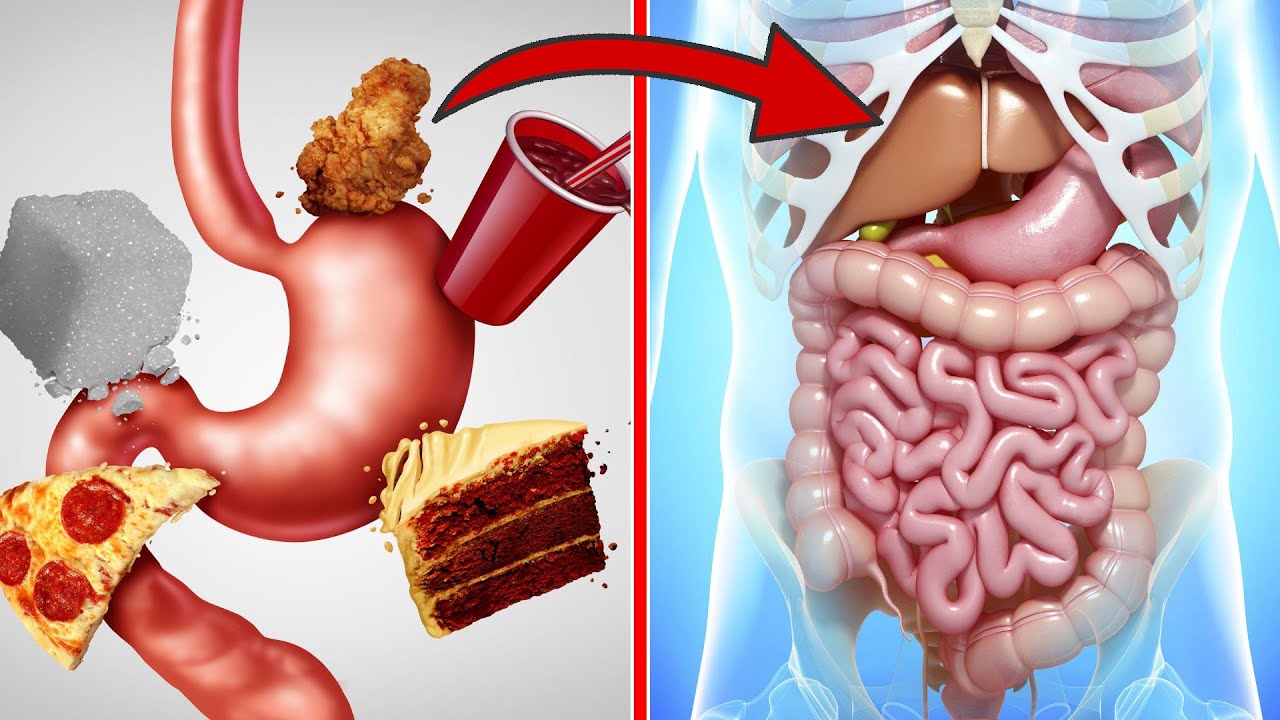
- Dietary choices: Foods that are high in fat, sugar, or processed ingredients can wreak havoc on your digestive system.
- Stress: Anxiety and stress can impact your digestive health significantly, causing or exacerbating symptoms.
- Underlying medical conditions: Issues like irritable bowel syndrome (IBS), celiac disease, or inflammatory bowel diseases may be at play.
Common Digestive Issues
Aside from the symptoms, various digestive issues commonly affect individuals. It’s essential to be aware of these problems and their symptoms to address them timely.
1. Gastroesophageal Reflux Disease (GERD)
GERD can manifest through symptoms such as heartburn, regurgitation, and difficulty swallowing. If you notice these signs frequently, it may indicate that your esophagus is under strain.
2. Irritable Bowel Syndrome (IBS)
This condition is characterized by symptoms such as bloating, abdominal pain, and alternating constipation and diarrhea. Being aware of these signs enables you to adapt your diet and lifestyle.
3. Celiac Disease
Individuals with celiac disease may experience digestive distress when consuming gluten. Symptoms can include diarrhea, weight loss, and bloating, indicating that avoiding gluten is necessary for your health.
When to Seek Help
Recognizing when to consult a healthcare provider is essential for addressing your digestive health. Here are some indicators.
1. Duration and Severity of Symptoms
Should your symptoms last for over a week or worsen, it’s vital to consult a medical professional. Ignoring chronic symptoms can lead to complications.
2. Impact on Daily Life
If your digestive issues impact your ability to carry out daily activities, such as working or socializing, seeking medical advice is crucial.
3. Accompanying Symptoms
Pay attention to other symptoms that may accompany digestive issues, like weight loss, fever, or severe fatigue. These can indicate more serious conditions that require prompt evaluation.
Mistakes to Avoid
Understanding common mistakes can help you take better care of your digestive health. Here are a few missteps to avoid:
1. Ignoring Early Symptoms
Many people dismiss early signs of digestive discomfort, thinking they will resolve on their own. Early intervention can prevent more serious issues later.
2. Self-Medicating without Guidance
Using over-the-counter medications without professional advice may mask problems instead of addressing the root cause.
3. Neglecting Dietary Triggers
Ignoring known food sensitivities can exacerbate underlying digestive issues. Keep a food diary to track your reactions to certain meals.
FAQ
What are the common symptoms of digestive issues?
Common symptoms include bloating, abdominal pain, constipation, and diarrhea, which can vary in persistence and severity.
When should I see a doctor for digestive symptoms?
Consult a healthcare provider if symptoms last more than a week, worsen, or impact your daily life significantly.
Can stress affect my digestive health?
Yes, stress can impact your digestion, causing issues like bloating and irregular bathroom habits. Managing stress through relaxation techniques may help.
Understanding these digestive symptoms and learning when to respond can lead to better overall health. Addressing issues early can prevent more serious complications down the line. What symptoms have you experienced that made you seek medical advice?