5 Common Reasons Wood Joints Fail and How to Fix Them Easily
5 Common Reasons Wood Joints Fail and How to Fix Them Easily
- Introduction
- Common Issues with Wood Joints
- Material Quality and Its Impact
- Mistakes in Your Technique
- Environmental Factors to Consider
- Common Mistakes to Avoid
- FAQ
- Conclusion
Introduction
Have you ever put together a beloved DIY project only to find your wood joints failing unnoticed? Perhaps while moving furniture, a joint creaked and then gave way, leaving you with a flimsy construct. These moments can be frustrating and disheartening. Understanding the reasons behind joint failures can help you create sturdy and lasting projects. Let’s explore common issues that may lead to wood joint failures, along with practical tips for effective solutions.
Common Issues with Wood Joints
Wood joints can fail for various reasons, often stemming from mistakes made during the construction phase. Below are some common issues you might encounter.
1. Improper Joint Alignment
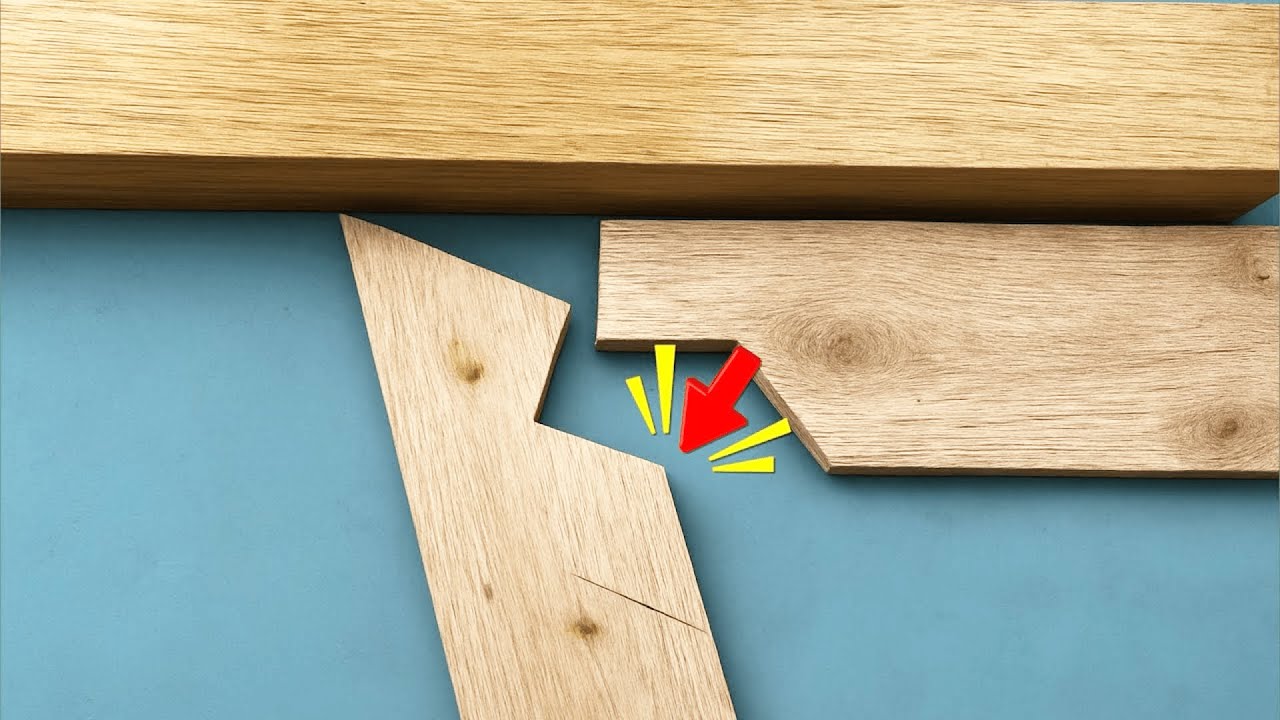
When joints are not aligned correctly, they can lead to stress points that weaken the structure. Proper assembly is essential to ensure that each component fits together seamlessly.
2. Insufficient Adhesive Application
Using too little adhesive may result in weak bonds between the joints. It’s important to apply enough glue evenly across the surfaces for a strong hold.
3. Wrong Type of Joint
Choosing an unsuitable joint type for your application can lead to failure. Selecting the right joint based on the project’s needs is crucial for durability.
4. Joint Design Flaws
Poorly designed joints may place excessive stress on certain areas. Taking time to carefully plan joint designs can help avoid these issues.
Material Quality and Its Impact
The type and quality of wood you choose can significantly affect the performance of your joints. Below are some insights into material selection.
1. Importance of Good-Quality Wood
Using high-quality wood not only improves durability but also prevents warping and splitting, which can damage joints over time.
2. Checking for Defects
Always inspect your wood for defects like knots or cracks. These imperfections can weaken joints and lead to failure.
3. Choosing the Right Wood Type
Different types of wood have varying strengths and weaknesses. For example, hardwoods like oak and maple offer better stability than softwoods.
Mistakes in Your Technique
How you assemble your joints can also play a crucial role in their longevity. Here are some technique-related pitfalls to avoid.
1. Neglecting Proper Clamping
Failing to clamp joints correctly can lead to misalignment and weak bonds. Make sure to apply even pressure to all areas of the joint while the glue sets.
2. Inadequate Drying Time
Rushing the drying process can result in weakened joints. Always follow the manufacturer’s instructions regarding drying times.
3. Overly Complicated Designs
Simplicity can often lead to stronger joints. Avoid overly complicated designs that can introduce more points of failure.
Environmental Factors to Consider
Environmental conditions can also impact the integrity of your wood joints. Here’s what you should consider.
1. Humidity and Moisture Levels
High humidity can cause wood to swell, while low moisture can lead to shrinking. Both conditions can affect joints, so controlling the environment is key.
2. Temperature Fluctuations
Extreme temperature changes can stress joints. Try to keep projects in a stable environment to minimize this issue.
3. Exposure to Elements
If your project is outdoors, consider using weather-resistant finishes to protect joints from the elements, particularly moisture and sunlight.
Common Mistakes to Avoid
Even the most experienced DIY enthusiasts can fall into traps that lead to wood joint failures. Below are key mistakes to avoid.
1. Skipping Measurements
The most common misstep is rushing through measurements. Always double-check your dimensions before cutting.
2. Ignoring Wood Grain Direction
Assembling joints against the grain can weaken them. Pay attention to the grain direction during your project.
3. Underestimating the Importance of Testing
Failing to test joints before full assembly can lead to significant issues. Always do a dry fit to ensure everything aligns correctly.
FAQ
What are the best types of joints for woodworking?
Some of the best types of joints include mortise and tenon, dovetail, and lap joints, each offering different benefits for strength and aesthetics.
How can I strengthen weak joints?
Using wood glue, clamps, and reinforcements like dowels or screws can significantly strengthen weak joints. Proper preparation is key.
What are signs of joint failure in wood projects?
Signs include gaps in joints, squeaking noises when pressure is applied, or visible cracks. Monitoring these indicators can help prevent total failure.
Conclusion
Understanding the common reasons for wood joint failures allows you to make informed decisions in your projects. By paying attention to your materials and techniques, you can avoid mishaps. Have you experienced any joint failures that you overcame? Share your thoughts in the comments!