Transform 5 Common Wood Joints with This Simple Fix for Perfect Results
Transform Common Wood Joints for Perfect Results
- Common Wood Joints Overview
- Understanding Common Issues
- Simple Fixes for Wood Joints
- Tips for Successful Joint Construction
- Mistakes to Avoid
- FAQ
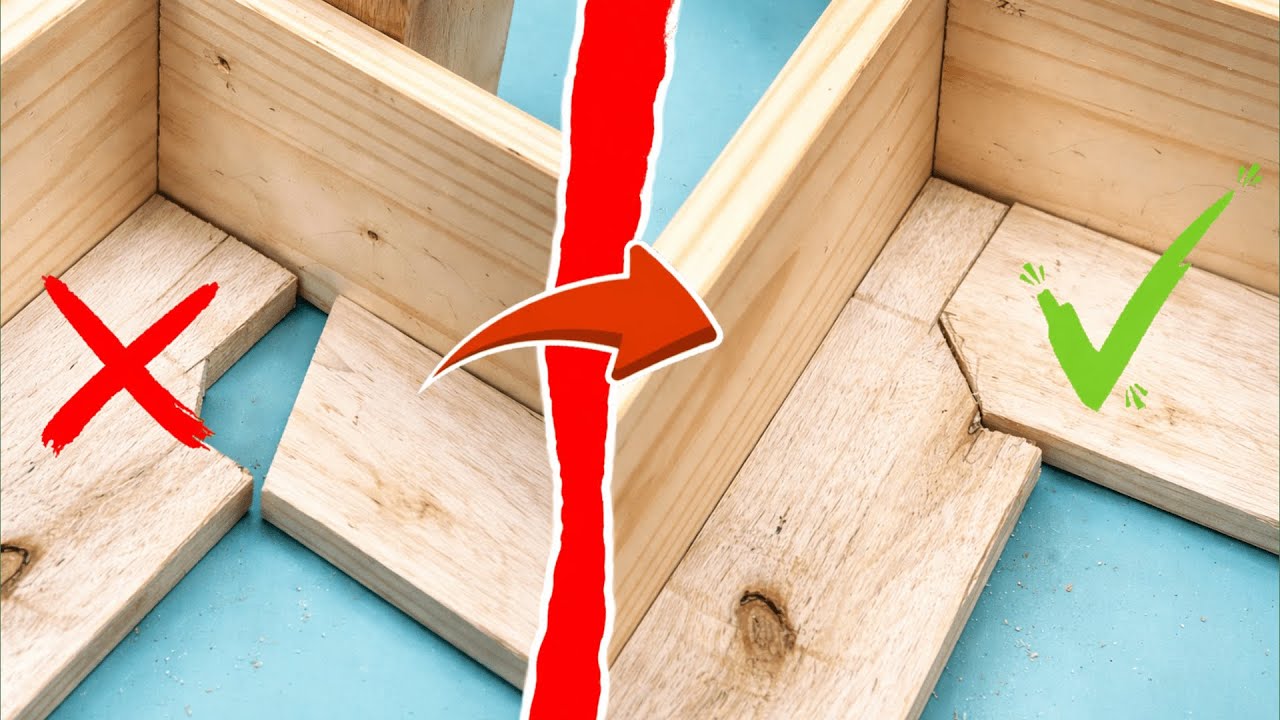
If you’ve ever embarked on a woodworking project, you might have encountered the frustration of joints not fitting together as snugly as you hoped. It’s a common hurdle that can lead to disappointing results and a lot of wasted time and materials. But understanding how to address these common wood joint issues can make all the difference in your projects. Let’s explore how you can transform these joints and achieve the perfect fit.
Common Wood Joints Overview
Wood joints are fundamental connections that hold pieces together in various woodworking projects. Here are some of the most common types you’ll encounter:
- Butt joint: A simple joint where two pieces are joined end-to-end or edge-to-edge.
- Rabbet joint: A notch is cut into one piece to accommodate the other, creating a strong connection.
- Dado joint: A groove is cut into one piece to fit another, often used in shelving.
- Lap joint: Overlapping pieces are joined, providing a strong bond suitable for frames.
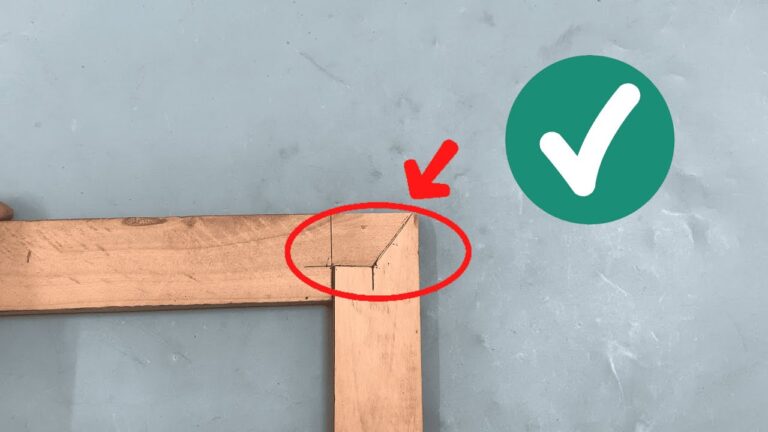
- Miter joint: Edges are cut at an angle to create a seamless corner joint.
Understanding Common Issues
Several issues can arise with wood joints, leading to a weak or imperfect fit. Understanding these problems is essential for achieving great results. Here are a few common challenges:
Inaccurate Cuts
Precision is crucial when cutting wood. Slight inaccuracies can create gaps between joints. To avoid this, ensure your measurements are accurate and use a reliable saw.
Improper Adhesive Use
Using the wrong type or amount of adhesive can affect the strength of your joints. Make sure to choose a suitable glue for the type of wood you are working with.
Environmental Factors
Changes in humidity and temperature can cause wood to expand or contract. If your project is in a variable environment, consider using materials that can withstand these changes.
Simple Fixes for Wood Joints
Here are some effective steps to help you address common wood joint issues for better results:
1. Reinforce with Dowels
- Mark the location for dowels on both pieces of wood.
- Drill holes using a dowel jig for precision.
- Insert dowels with wood glue, and align the pieces for a stronger joint.
2. Use Clamps Effectively
Clamping your joints helps hold them together while the glue dries. Here are some tips:
- Use enough clamps to cover the joint area evenly.
- Check that the pieces are properly aligned before applying clamps.
- Leave clamps in place for at least the recommended drying time specified by the adhesive manufacturer.
3. Opt for Biscuit Joints
Biscuit joints are a great way to create strong connections. They involve cutting a slot for an oval-shaped biscuit, which swells when glue is applied:
- Cut slots into both pieces where they join.
- Insert biscuits and apply glue to the slots.
- Clamp the pieces together and allow to dry.
Tips for Successful Joint Construction
To enhance your woodworking skills further, here are some practical tips:
Measure Twice, Cut Once
Taking the time to double-check your measurements can save you from mistakes and wasted materials.
Select Quality Materials
Using high-quality wood and adhesives can significantly impact the durability and appearance of your joints.
Practice on Scrap Wood
Before tackling your main project, practice your technique on scrap pieces to refine your skills and work out any potential issues.
Mistakes to Avoid
Even seasoned woodworkers can make mistakes. Here are a few to watch out for:
- Failing to sand joints properly before assembly, which can lead to uneven surfaces.
- Skipping the use of clamps, which can result in weak joints.
- Overusing glue, which can create a mess and impact the joint’s strength.
- Ignoring wood grain direction, which can affect the joint’s durability.
- Not allowing sufficient drying time before removing clamps, compromising the bond.
FAQ
What is the best glue for wood joints? A polyvinyl acetate (PVA) glue is generally recommended for most woodworking joints due to its strong bond and ease of use.
How can I fix gaps in wood joints? You can fill gaps with wood filler or add dowels or biscuits to reinforce the joint and improve the fit.
Why do my wood joints keep falling apart? Issues such as inaccurate cuts, poor adhesive application, or insufficient clamping can lead to joint failure; addressing these factors can improve the durability of your joints.
By transforming common wood joints with these practical solutions, you can ensure a more successful woodworking experience. Have you faced challenges with wood joints in your projects? Share your thoughts or experiences in the comments!