
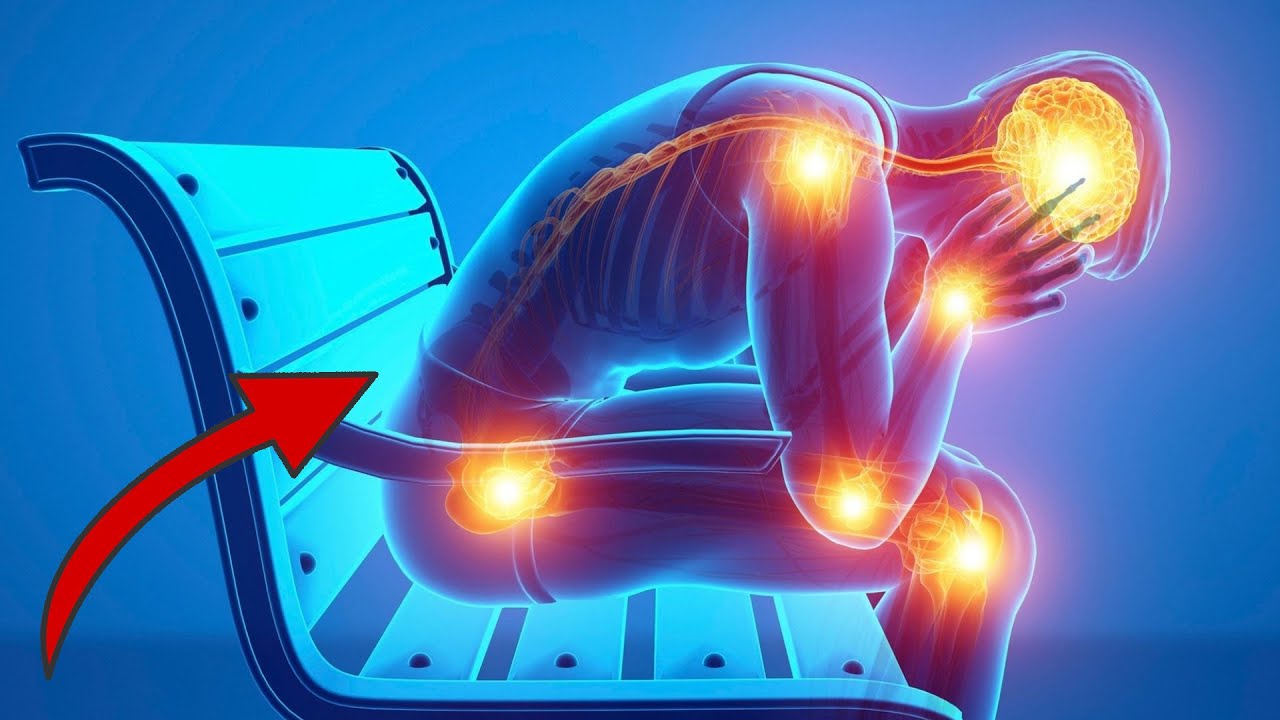
5 Signs of Vitamin D Deficiency You Can’t Ignore – Discover Them Now!
5 Signs of Vitamin D Deficiency You Can’t Ignore
- Introduction
- Common Signs of Vitamin D Deficiency
- Importance of Vitamin D for Your Health
- Mistakes to Avoid in Addressing Deficiency
- FAQ
- Conclusion
Introduction
You might be feeling more fatigued than usual, experiencing unexplained aches or even mood swings. These could be signs of a vitamin deficiency that many people overlook. It’s easy to dismiss these symptoms as simply part of daily life, but they might indicate that your body is lacking vitamin D. Understanding how your health can be affected is crucial. Let’s dive deeper into the signs you should pay attention to.
Common Signs of Vitamin D Deficiency
Recognizing the symptoms of vitamin D deficiency can help you take the necessary steps to improve your health. Here are some key signs:
1. Fatigue and Lethargy
If you’re feeling unusually tired, it might not just be a busy week. Lack of vitamin D can lead to decreased energy levels. Consider checking your intake if fatigue becomes a regular concern.
2. Aches and Pains
Muscle weakness and joint pain can be tied to lower levels of vitamin D. This deficiency affects muscle function and overall bone health. If you find yourself experiencing these pains frequently, it could be worth discussing with your doctor.
3. Mood Changes
Low vitamin D levels have been linked to mood disorders such as depression. If you notice changes in your emotional wellbeing, particularly during seasonal transitions, it’s important to consider your vitamin D levels.
4. Frequent Illness
Your immune system relies on vitamin D to function optimally. If you catch colds or infections more often, a lack of this vital nutrient might be playing a role. Boosting your vitamin D intake could help strengthen your defenses.
5. Hair Loss
While hair loss can be a complex issue with multiple causes, some studies suggest a connection between vitamin D deficiency and hair thinning. If you’re experiencing excessive hair loss, evaluating your vitamin D levels might be beneficial.
Importance of Vitamin D for Your Health
Understanding why vitamin D is essential can motivate you to ensure you get enough of it. Here are some key benefits:
1. Supports Bone Health
Vitamin D plays a crucial role in calcium absorption, making it vital for maintaining strong bones. Without adequate vitamin D, the risk of fractures and osteoporosis increases significantly, especially as you age.
2. Enhances Immune Response
A well-functioning immune system is critical for overall health. Vitamin D strengthens your immune response, helping your body fend off illnesses. This is especially important during colder months when colds and flu are more prevalent.
3. Regulates Mood
Low levels of vitamin D can contribute to feelings of sadness or anxiety. Ensuring adequate vitamin D intake might help improve your mood and emotional balance, enhancing your quality of life.
4. Supports Muscle Function
Vitamin D is essential for muscle health. Adequate levels can enhance muscle strength and coordination, which is particularly important for preventing falls and injuries in older adults.
Mistakes to Avoid in Addressing Deficiency
When dealing with low vitamin D, it’s crucial to avoid common mistakes. Here are some pitfalls to watch out for:
1. Ignoring Symptoms
Sometimes, signs of deficiency are brushed off as normal fatigue or mood swings. Be vigilant about the signs your body is showing and consult a healthcare professional if they persist.
2. Over-relying on Sunshine
While sunlight is a natural source of vitamin D, relying solely on it can be misleading. Factors such as weather, clothing, and sunscreen use can reduce vitamin D absorption. It’s important to consider dietary sources as well.
3. Neglecting Dietary Sources
Many people underestimate the importance of a well-rounded diet. Foods rich in vitamin D, such as fatty fish, fortified dairy products, and egg yolks, should be included regularly.
4. Taking Too Much Supplementation
While supplements can help raise vitamin D levels, excessive intake can lead to other health issues. Always consult with a healthcare provider to find the right dosage for your needs.
FAQ
What are the best food sources of vitamin D?
Some excellent food sources include fatty fish, egg yolks, fortified dairy products, and certain mushrooms. Incorporating these foods into your diet can help increase your vitamin D intake.
How can I test my vitamin D levels?
A simple blood test can determine your vitamin D levels. It’s best to consult with your healthcare provider to see if this test is necessary based on your symptoms.
How much vitamin D do I need daily?
The recommended daily allowance varies by age and other factors, but generally, adults need about 600 to 800 IU (International Units). Always consult a healthcare professional for personalized advice.
Conclusion
Recognizing the signs of vitamin D deficiency is vital for your overall health. By being mindful of symptoms such as fatigue and mood changes, you can take steps to improve your well-being. Have you experienced any of these signs? I’d love to hear your thoughts in the comments!