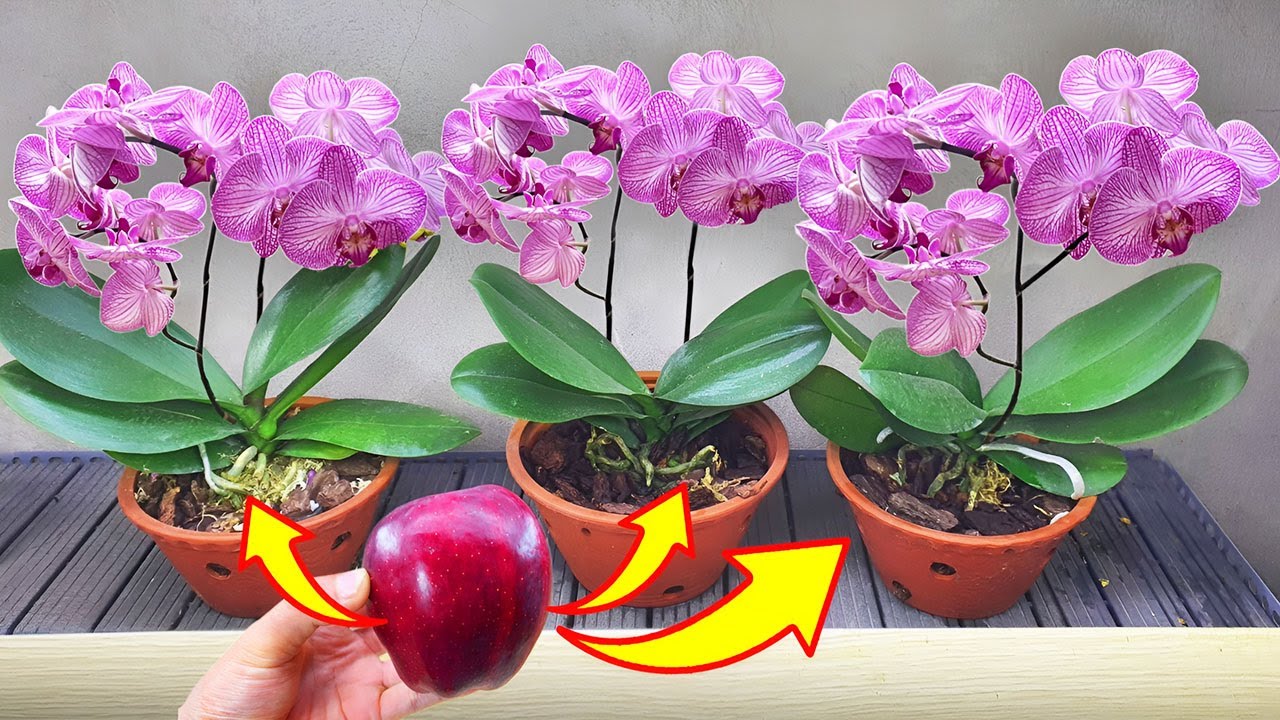
5 Simple Steps to Make Your Faded Orchids Bloom All Year Round
5 Simple Steps to Make Your Faded Orchids Bloom All Year Round
- Introduction
- Essential Care for Orchids
- Watering and Nutrition Tips
- Creating Optimal Light Conditions
- Common Mistakes to Avoid
- FAQ
- Conclusion
Introduction
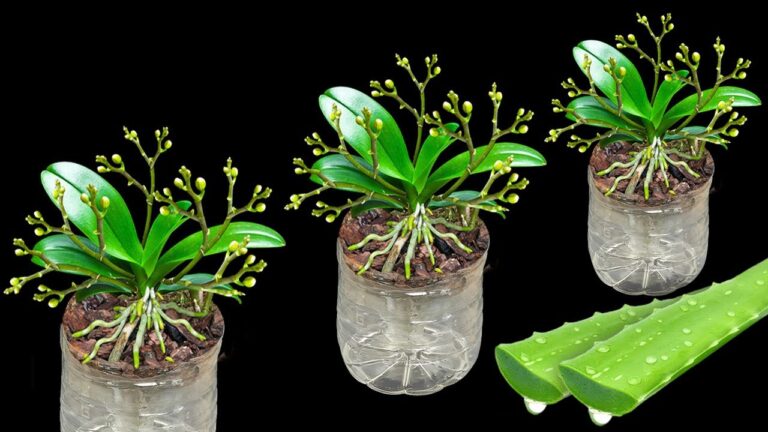
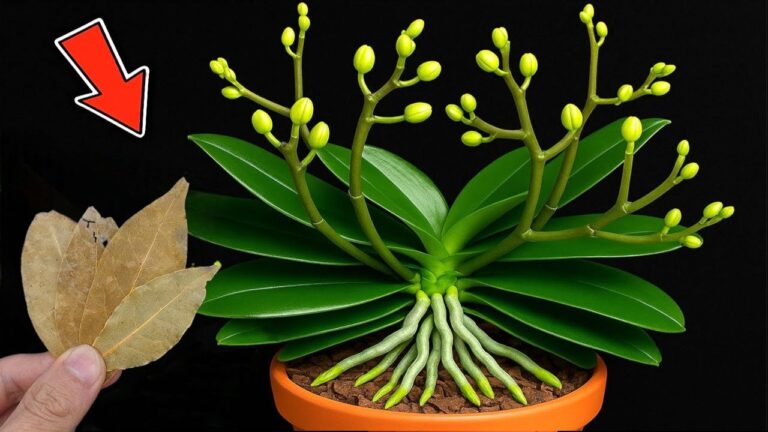
Picture this: your beloved orchid has beautifully adorned your home but now seems to have lost its vibrant blossoms. As a passionate gardener, you might be wondering what went wrong and how to revive its beauty. Orchids are unique plants that require specific care to thrive. The good news is that with the right approach, you can coax them back to blooming throughout the year. Let’s dive deeper into how to nurture your orchids back to life.
Essential Care for Orchids
To encourage your orchids to bloom continuously, you need to focus on their basic needs. Understanding the essential elements of orchid care will set the foundation for promoting healthy growth.
1. Choosing the Right Potting Mix
A proper potting mix is crucial. Orchids thrive in a specialized mix that provides air circulation to their roots. Look for a blend that includes bark, perlite, and sphagnum moss. This allows for moisture retention while ensuring that the roots do not become waterlogged.
2. Repotting at the Right Time
Orchids should be repotted every 1-2 years to refresh their growing medium. Observe the roots; if they appear brown and mushy, it’s time to repot. Choose a clear pot to monitor the health of the roots more easily.
3. Ideal Temperature and Humidity
Orchids prefer temperatures between 65°F and 75°F during the day and between 60°F and 65°F at night. Humidity levels should ideally be around 50-70%. To maintain humidity, consider using a humidity tray filled with pebbles and water beneath the pot.
Watering and Nutrition Tips
Watering plays a pivotal role in keeping your orchids healthy, and proper nutrition is equally important to support blooming.
1. How to Water Orchids
Overwatering is a common mistake. Only water your orchids when the potting mix feels dry to the touch. Use room temperature water and ensure that water drains away entirely. Adjust your watering schedule based on the season; orchids typically need less water in the winter months.
2. Fertilizing for Blooms
Applying a balanced orchid fertilizer every 2-4 weeks can stimulate blooming. Look for a formulation that includes micronutrients, which are vital for healthy flower production. Dilute the fertilizer to half the recommended strength to avoid burning the roots.
3. Signs of Nutrient Deficiency
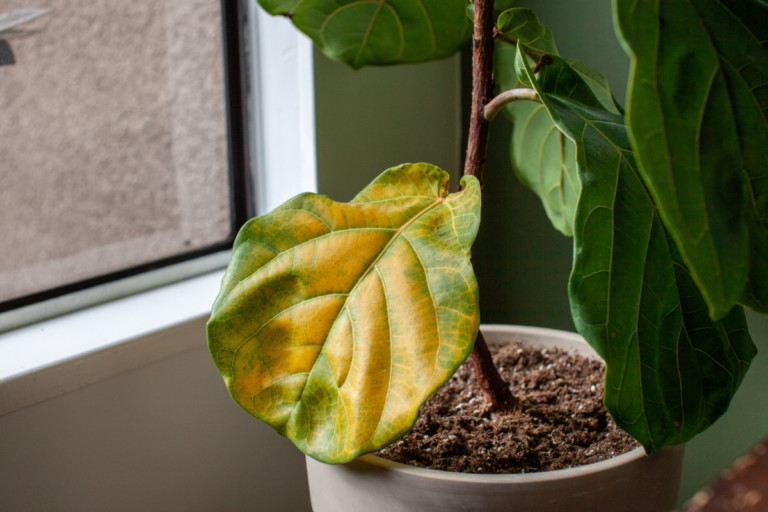
If the leaves start turning yellow or the plant shows stunted growth, these might indicate a nutrient deficiency. Pay close attention to your orchid and adjust your fertilization routine accordingly.
Creating Optimal Light Conditions
Light is a key factor for successful orchid blooming. The right amount of light can make a significant difference in their lifespan and flowering cycle.
1. Understanding Light Requirements
Orchids typically thrive in bright, indirect sunlight. Direct sunlight can scorch the leaves, while insufficient light can prevent flowering. Position your orchid near an east or west-facing window where it can receive ample light without harsh rays.
2. Using Artificial Light
If natural light is limited, consider using grow lights. Select full-spectrum fluorescent or LED grow lights to simulate sunlight. Keep the lights on for about 12-14 hours a day to support blooming.
3. Rotating Your Orchid
Rotating the plant every few weeks ensures that all sides receive equal light exposure. This practice helps maintain an even growth pattern and promotes blooming on all sides.
Common Mistakes to Avoid
Easily avoidable mistakes can hinder your orchids from blooming as expected. Here are some pitfalls to steer clear of.
1. Overwatering
Many orchid owners inadvertently overwater, leading to root rot. Always let the potting mix dry out between waterings.
2. Ignoring Seasonal Changes
Failing to adjust care routines with the seasons can stifle growth. Remember, orchids require different care in winter versus summer.
3. Neglecting Pest Control
Common pests such as aphids and mealybugs can affect the health of your orchids. Regularly inspect your plants and treat any infestations promptly.
FAQ
Q: How often should I water my orchids?
A: Water your orchids when the potting mix feels dry to the touch, usually every 7-10 days, depending on your environment.
Q: When should I repot my orchids?
A: Orchids should be repotted every 1-2 years, or sooner if you notice damaged roots or outdated potting mix.
Q: Why isn’t my orchid blooming?
A: Several factors, including inadequate light, improper watering, or nutrient deficiency, can prevent blooming. Assess your care routine for adjustments.
Conclusion
By carefully tending to your orchids with the right potting mix, watering schedule, and light conditions, you can encourage them to bloom beautifully all year round. What techniques have you found helpful for nurturing your orchids? Feel free to share your experiences in the comments!