Mastering Root Rot: How to Identify and Cure Your Houseplants
Mastering Root Rot: How to Identify and Cure Your Houseplants
For those of us who adore houseplants, tackling their care can sometimes feel like a challenge. We invite exquisite tropical plants into our homes, often completely disregarding their natural habitats, and then do our best to help them thrive. Unfortunately, this care sometimes leads to unwelcome surprises—like root rot. Understanding how to identify and treat this common ailment is essential for any plant enthusiast.
What is Root Rot?
Root rot is a common plant disease mainly caused by overwatering, which can drown the roots and lead them to begin decomposing. However, it also involves fungal and bacterial infections that take hold in overly wet soil.
The three most common types of root rot you might encounter in houseplants include:
- Pythium Root Rot: A bacterial parasite that thrives on decaying plants. If you have fungus gnats, chances are you also have pythium root rot.
- Phytophthora Root Rot: A type of fungus found in soil that becomes problematic with prolonged moisture.
- Fusarium Root Rot: Another fungus that can spread quickly in wet conditions.
These organisms are common in both garden and potting soils, making total avoidance nearly impossible.
How to Spot Root Rot
Detecting root rot early can be tricky since the symptoms often appear above ground. Houseplants may show signs of drooping or wilting, prompting an instinctual reaction to water them—potentially worsening the condition.
Key indicators of root rot include:
- Dull, unhealthy looking leaves
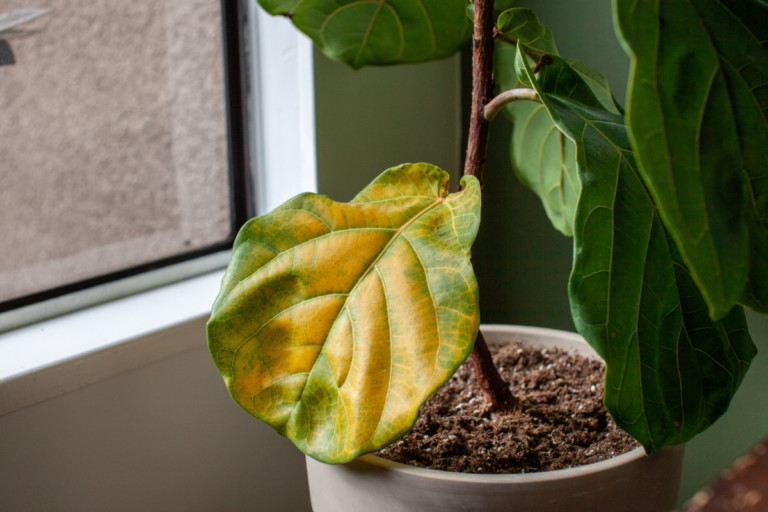
- Yellowing or browning leaves and stems, which is different from the crispy brown of a plant that needs water
- A noticeable odor of decay
To confirm root rot, gently remove the plant from its pot and inspect the roots. Healthy roots are usually white or cream-colored, while rotting roots will appear brown or black and may feel mushy.
How To Treat Root Rot
Early intervention is crucial for treating root rot. Here’s a step-by-step guide:
1. Remove the Plant
Take the plant out of its pot, shaking off as much soil as possible. Discard this contaminated soil instead of composting it.
2. Inspect and Trim the Roots
Using cleaned and sterilized tools, trim away any damaged roots. If you need to remove more than a third of the root structure, consider that the plant’s chances of survival decrease significantly.
3. Treat the Roots
You can apply a topical fungicide like organic Neem oil or a hydrogen peroxide solution (one tablespoon of hydrogen peroxide mixed with one cup of water) to the roots.
4. Repot the Plant
After treatment, repot the plant in fresh potting soil. Clean the original pot with a bleach solution to eliminate any lingering pathogens.
Waiting for Recovery
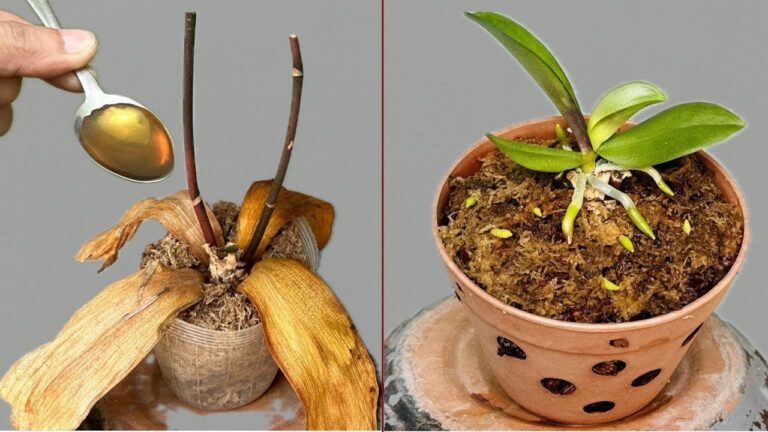
Check back in a week or two to see if your plant shows signs of recovery. If it does, you’ve successfully addressed the root rot. If not, be patient, as some plants require additional time to heal. Should deterioration persist, consider it might be time to let go of the plant.
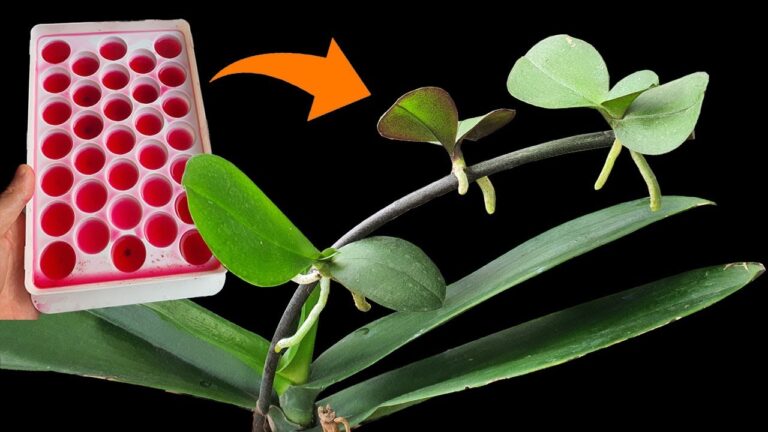
Last Ditch Plant Cloning
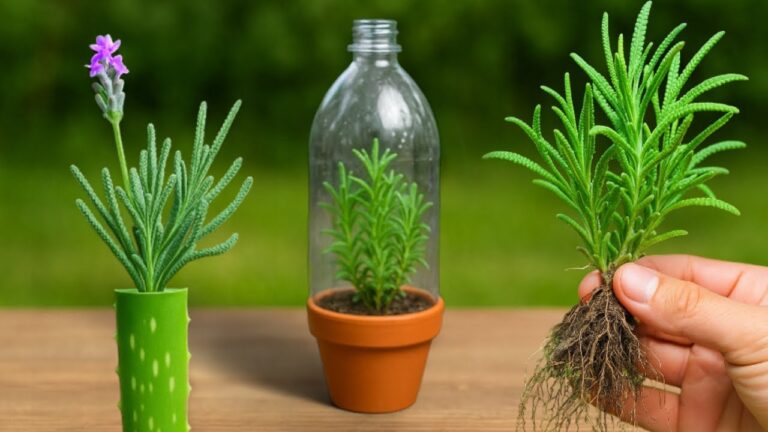
If all else fails, you can still preserve your plant’s legacy through cloning. Take a healthy leaf or stem cutting and propagate it in water or soil. This way, you can keep the spirit of your plant alive even if the original has succumbed to root rot.
How To Prevent Root Rot
Prevention is key when it comes to managing root rot. Here are some effective strategies:
1. Use Hydrogen Peroxide Sparingly
Hydrogen peroxide can enhance oxygen levels in the soil and combat harmful bacteria, but it can also harm beneficial microbes. Use it as a last resort.
2. Introduce Mycorrhizae
Consider adding mycorrhizae to your potting soil. These beneficial microorganisms enhance nutrient absorption and help fend off harmful pathogens.
3. Establish a Weekly Plant Care Routine
Regular check-ins can help you catch issues before they become serious:
- Test the soil moisture with your finger before watering.
- Inspect leaves for discoloration or pests.
- Look for mold or gnats in the soil.
- Carefully check the roots occasionally.
- Wipe down the leaves and simply nurture your plants.
Consistent care is the best defense against root rot. And remember, it’s usually better to underwater than overwater, especially during a plant’s dormant winter phase.
Conclusion
Arming yourself with knowledge about root rot can help preserve your precious houseplants. With the right care and attention, you can not only save your plants but also create a flourishing indoor garden. Here’s to healthier houseplants and less heartache!