60 Years of Expertise: Discover the Shocking Junction Box Repair That Amazes Everyone!
Discover the Surprising Benefits of Junction Box Repair
Introduction
Have you ever faced an unexpected electrical issue in your home? Perhaps a flickering light or a sudden loss of power in a room? These situations can be frustrating and alarming. One common culprit might be the junction box, which plays a crucial role in your home’s electrical system. While many might overlook this component, understanding its repair can enhance your home’s safety and functionality. Read on to uncover how you can tackle this essential home project effectively.
Understanding Junction Boxes
Before diving into the details of repair, it’s important to grasp what a junction box is and its purpose.
What Is a Junction Box?
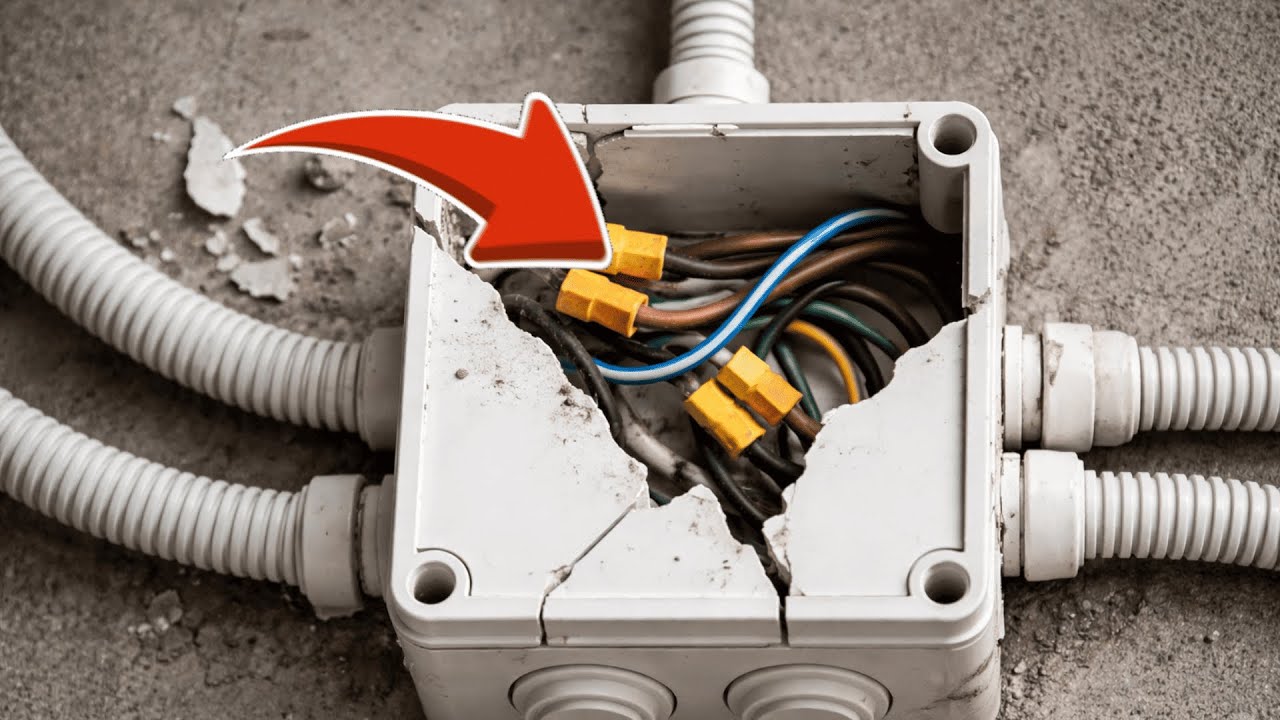
A junction box is an enclosure that houses electrical connections. It protects wiring and prevents hazards such as electrical shorts and fires. Typically made from metal or plastic, junction boxes are essential in ensuring that your home’s electrical system operates safely and efficiently.
Common Issues with Junction Boxes
Over time, junction boxes can develop issues. Some common problems include:
- Loose connections that can lead to power outages
- Corrosion due to moisture exposure
- Improper installation causing safety hazards
Step-by-Step Repair Guide
If you’ve identified a problem with your junction box, follow this detailed guide for repairing it effectively.
Required Tools and Materials
Gather the following tools and materials before you start:
- Wire cutters and strippers
- Screwdriver set
- Voltage tester
- Replacement wires or connectors
- Electrical tape
Step-by-Step Instructions
- Turn off power to the area at your circuit breaker. This is crucial for your safety.
- Remove the junction box cover and inspect the connections for any signs of damage or corrosion.
- Disconnect any loose or damaged wires carefully, keeping track of their positions.
- Replace any damaged wires with new ones, ensuring connections are secure.
- Reattach the cover plate and restore power at the circuit breaker.
Practical Repairs and Enhancements
Consider these tips for improving your junction box repair:
- Use high-quality connectors to ensure long-lasting connections.
- Seal the box with silicone caulk if moisture is a concern.
- Label wires clearly to avoid confusion in future repairs.
Common Mistakes to Avoid
While repairing a junction box, several common missteps can jeopardize safety and effectiveness.
List of Mistakes
- Forgetting to turn off power before starting the repair.
- Using wires that do not meet your local electrical code requirements.
- Neglecting to properly secure wires, leading to future outages.
- Failing to check for moisture or ventilation issues in the box.
- Not labeling wires, making future troubleshooting challenging.
FAQ
What is the purpose of a junction box?
A junction box houses electrical connections, ensuring safety by preventing short circuits and protecting wires from damage.
How often should I inspect my junction boxes?
It’s wise to check your junction boxes at least once a year or immediately if you notice any electrical issues like flickering lights.
Can I replace a junction box myself?
Yes, with proper tools and safety precautions, replacing a junction box can be a straightforward DIY project for homeowners.
Conclusion
Repairing your junction boxes can enhance your home’s electrical safety and efficiency. By understanding the components and following the correct procedures, you can take on this essential task with confidence. Have you encountered any unique challenges while working on home electrical projects? Share your experiences below!