7 Genius Ways to Repair Broken Plastic You Didn’t Know About!
7 Smart Ways to Repair Broken Plastic You Didn’t Know About
- Introduction
- Understanding Plastic Repairs
- Effective Adhesive Methods
- Heat Repair Techniques
- Creative Fix Ideas
- Mistakes to Avoid
- FAQ
- Conclusion
Introduction
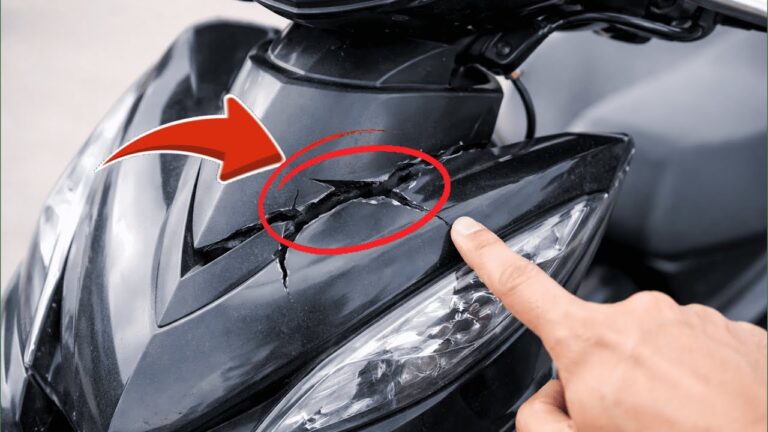
How often have you faced a moment of frustration when a beloved plastic item breaks? Whether it’s a cherished toy or a handy kitchen gadget, seeing it in pieces is disheartening. The good news is that with a little creativity and the right techniques, you can restore many plastic items to their former glory. The following guide will share innovative methods for repairing broken plastic that you might not have considered yet.
Understanding Plastic Repairs
Before diving into specific methods, it’s essential to understand the different types of plastic and how they respond to repairs. Plastic can be broadly categorized into thermoplastics and thermosetting plastics. Knowing this will help you select the right approach for your repair.
Types of Plastic
- Thermoplastics: These plastics soften when heated and can be reshaped. Examples include polyethylene (PE) and polypropylene (PP).
- Thermosetting Plastics: These do not melt when heated. Examples are epoxy and phenolic resins.
Choosing the Right Repair Method
Factors such as the type of break, the item’s use, and visual appeal should guide your choice of repair method. This ensures lasting results and functionality.
Effective Adhesive Methods
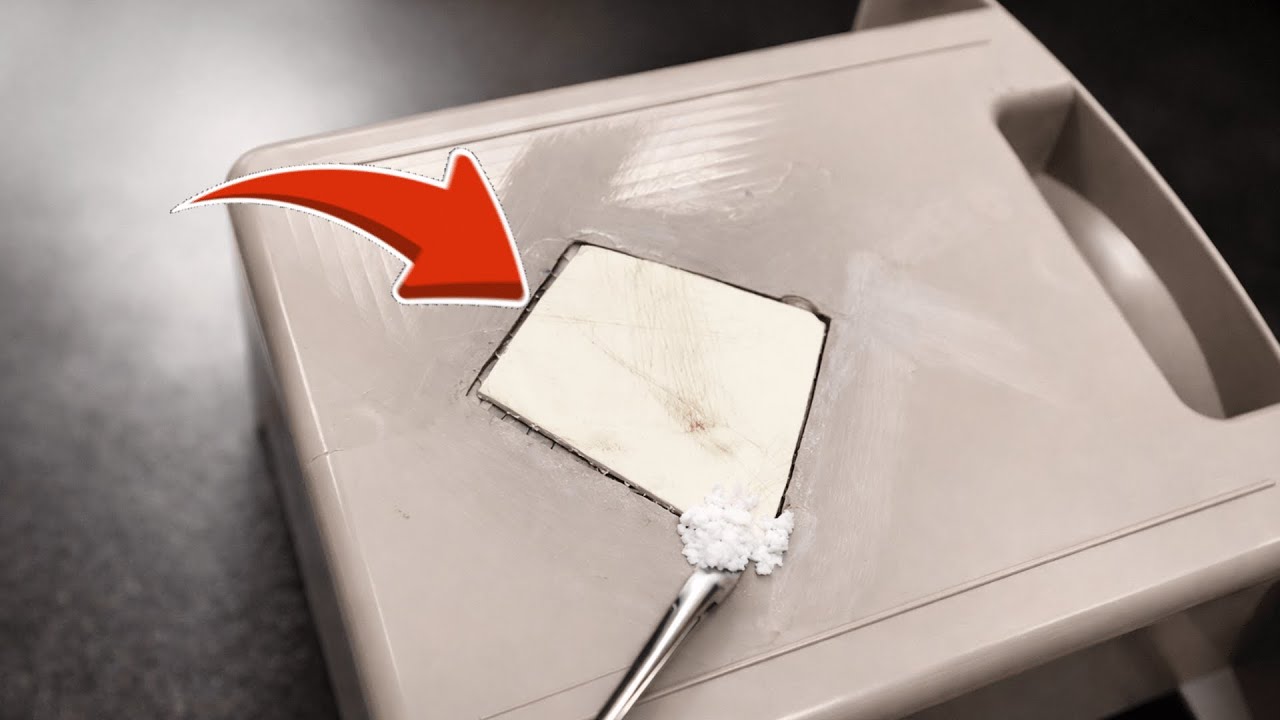
Using adhesives can be one of the simplest yet most effective ways to fix broken plastic. Here are some adhesives that specifically work well with plastic.
Epoxy Adhesive
Epoxy is a two-part adhesive that forms a very strong bond. Follow these steps for a successful application:
- Clean the surfaces: Ensure both sides of the break are clean and dry.
- Mix the epoxy according to the manufacturer’s instructions.
- Apply the epoxy, ensuring it fills the gap completely.
- Clamp the pieces together and allow it to cure for the recommended time.
Super Glue
Quick and easy, super glue works well on small breaks. Here are some tips:
- Use it in a well-ventilated area to avoid strong fumes.
- Avoid excess glue; a small drop is usually sufficient.
Heat Repair Techniques
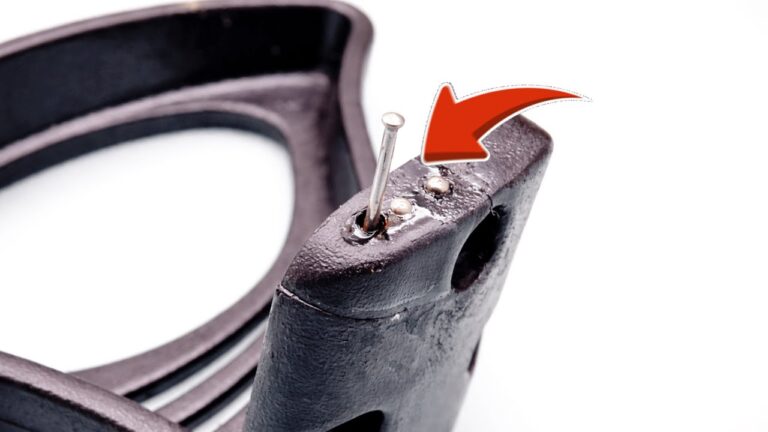
For certain types of thermoplastics, heat can be an effective tool for repairs. These methods can be particularly useful for reshaping or rejoining broken parts.
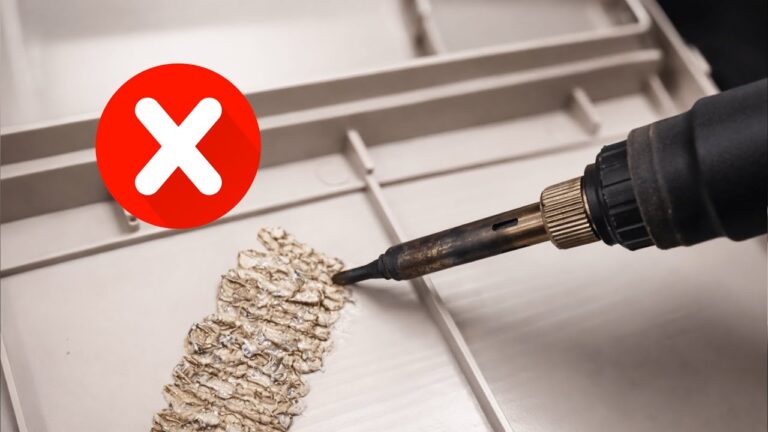
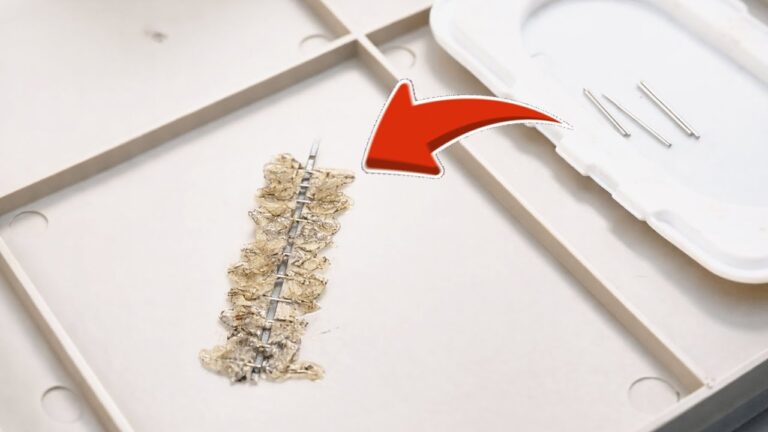
Plastic Welding
This technique involves melting the plastic to fuse it back together. Here’s how to do it:
- Prepare your workspace with proper ventilation.
- Heat a soldering iron or a specialized plastic welding tool.
- Press the heated tool against the edges of the broken plastic until melted.
- Join the pieces and hold them together until cooled.
Using Heat Guns
A heat gun can also be handy for straightening bent plastic. Be cautious with the temperature settings to avoid damage.
Creative Fix Ideas
Sometimes, a straightforward repair might not be enough, or you may want to add a personalized touch to the item. Here are some creative fixes:
Cover with Decorative Tape
Once your repair is complete, you can enhance it visually:
- Use washi tape or decorative duct tape to cover the repair site.
- Add a touch of color or pattern to blend with the item.
Repurposing Broken Items
If the item is beyond traditional repair, consider turning it into something new:
- Turn broken plastic toys into unique plant pots.
- Use pieces from broken containers to create a mosaic design for garden decor.
Mistakes to Avoid
Even with good intentions, some common mistakes can hinder your plastic repairs. Here are a few to watch out for:
Not Cleaning the Surface
Failing to clean the surfaces prior to applying adhesive will weaken the bond and lead to a failed repair.
Using the Wrong Adhesive
Different types of plastic require specific adhesives. Ensure you choose the right one for your material to achieve a strong bond.
Rushing the Process
Allowing ample time for adhesive curing is crucial. Rushing could compromise the repair’s strength and longevity.
FAQ
Can all plastics be repaired?
While many types of plastic can be repaired, some, like certain thermosetting plastics, are much harder to restore. Assessing the material is important before proceeding.
What are the best adhesives for plastic repairs?
The best adhesives include epoxy, super glue, and specialized plastic adhesives. Always check the manufacturer’s guidance for compatibility.
How can I prevent plastic items from breaking in the future?
Preventative measures include using items according to their intended purpose, storing them properly, and avoiding exposure to extreme temperatures.
Conclusion
Repairing broken plastic items is not only a practical skill but can be an exercise in creativity. With the right techniques, you can breathe new life into your favorite possessions. What’s your favorite way to repurpose or repair plastic items? Share your thoughts in the comments!