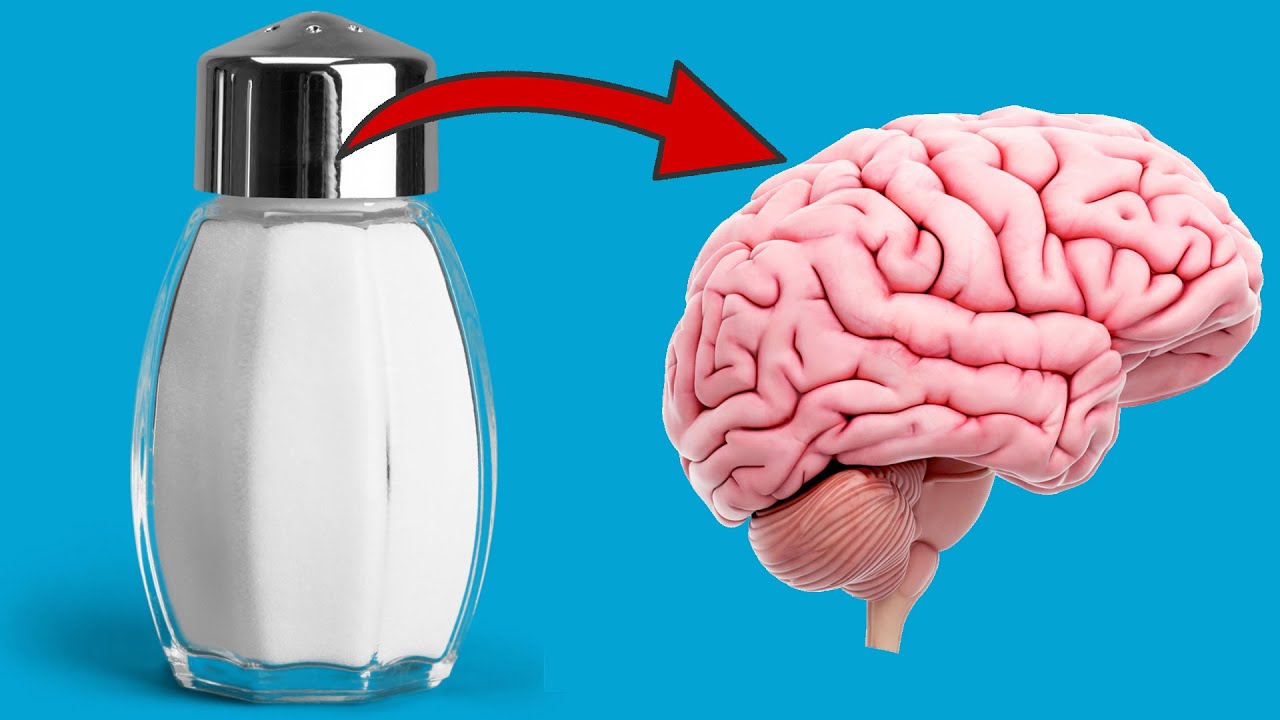
7 Shocking Effects of Eating Too Much Salt on Your Brain! Discover the Truth Now!
7 Surprising Effects of Eating Too Much Salt on Your Brain
- Introduction
- Impact on Cognition
- Link to Depression
- High Blood Pressure Risks
- Common Mistakes to Avoid
- FAQ
Introduction
Many of us enjoy flavorful meals, often relying on salt to enhance our dishes. You might not realize, however, that your love for seasoning could be having unexpected effects on your brain’s health. Shockingly, excessive salt intake is linked to various cognitive and emotional issues that can go unnoticed for years. Understanding these impacts may encourage you to reconsider how much salt you add to your meals. Let’s dive deeper into the surprising effects of consuming too much salt.
Impact on Cognition
Excessive salt can take a toll on your cognitive functions, leading to a range of issues from memory loss to impaired learning abilities. Research indicates that a diet high in sodium can negatively impact neuroplasticity, the brain’s ability to adapt and reorganize itself. Here are some key impacts:
1. Reduced Memory Function
- Limit your salt intake to maintain optimal memory function.
- Incorporate fresh fruits and vegetables in your diet to counteract high sodium levels.
- Monitor your overall dietary habits to support brain health.
2. Impaired Focus
High sodium levels can hinder your ability to concentrate effectively. As your brain struggles with excess salt, you may find it challenging to stay on task.
3. Cognitive Decline
Studies show that prolonged high salt consumption may lead to an increased risk of cognitive decline as you age. Prioritizing balanced meals can help mitigate this risk.
Link to Depression
Interestingly, excessive salt consumption has been linked to increasing feelings of depression. Here’s how:
1. Impact on Neurotransmitters
High salt intake can influence the balance of neurotransmitters in the brain, potentially leading to mood disorders. Lowering your sodium can positively affect your mental wellbeing.
2. Physical Health Connection
Poor mental health can stem from various physical health issues that arise from high salt consumption, such as hypertension. Addressing these can improve your overall mood.
3. Lifestyle Changes
Adopting a balanced, low-sodium diet encourages healthier lifestyle changes, which may, in turn, benefit your mental health.
High Blood Pressure Risks
One major concern with excessive salt intake is its contribution to high blood pressure, which has far-reaching implications for brain health:
1. Increased Risk of Stroke
A diet high in salt elevates your blood pressure, increasing the risk of stroke. Maintaining a healthy diet is crucial for reducing this threat.
2. Cardiovascular Health
High blood pressure can affect blood flow to the brain, leading to cognitive issues over time. Prioritizing foods low in sodium can improve circulation.
3. Long-term Effects
Over time, persistently elevated blood pressure can lead to vascular dementia, a decline in cognitive function caused by reduced blood flow to the brain. Monitoring your salt intake is essential.
Common Mistakes to Avoid
Here are some prevalent mistakes people make regarding salt consumption that can adversely affect brain health:
1. Overlooking Hidden Sodium
Many processed foods contain hidden sodium that can contribute to high intake levels. Always check labels to understand your total consumption.
2. Misunderstanding Dietary Needs
Not everyone has the same salt needs. Consulting a healthcare provider can help you determine what is best for you.
3. Ignoring Other Health Indicators
Focusing solely on sodium without considering other dietary components can lead to imbalances. Aim for a well-rounded diet to enhance overall health.
FAQ
Q: How much salt should I consume daily?
A: The recommended daily intake of salt is about 2,300 mg for most adults, but lower amounts, like 1,500 mg, are optimal for better health.
Q: Can I reduce my salt intake effectively?
A: Yes, gradually reducing salt in your diet by cooking with herbs and spices can enhance flavor without excessive sodium.
Q: What are some low-sodium alternatives?
A: Some options include herbs, lemon juice, and vinegar, which can add flavor without the added salt.
Conclusion
Understanding the potential effects of excessive salt on your brain is vital for maintaining cognitive and emotional health. By taking steps to manage your sodium intake, you can promote better overall wellbeing. How do you plan to adjust your salt consumption?