7 Common Mistakes in Wood Joints Every Carpenter Should Avoid
Avoiding Common Mistakes in Wood Joints You Must Know
- Introduction
- Understanding Wood Joints
- Common Mistakes
- Practical Tips for Success
- Frequently Asked Questions
- Conclusion
Introduction
As a woodworking enthusiast, you may find yourself excited to create beautiful furniture but frustrated when your wood joints don’t seem to hold together. Whether you’re a seasoned craftsman or just starting out, knowing how to properly construct and join wood can make a significant difference in the outcome of your projects. Many common errors can compromise the strength and aesthetics of your work. Learning about these mistakes can help you avoid costly setbacks and create lasting pieces. Read on to discover what to watch out for and how you can improve your woodworking skills.
Understanding Wood Joints
Before diving into the mistakes to avoid, it’s essential to understand the different types of wood joints and their applications. Wood joints are crucial for connecting pieces of wood in your projects, and selecting the right type for your piece can influence both its functionality and appearance.
Types of Wood Joints
- Butt joints – The simplest joints where two pieces meet at a right angle.
- Lap joints – Overlap two pieces, providing greater strength than a butt joint.
- Dado joints – A groove cut into one piece to hold another, ideal for shelves.
Choosing the Right Joint
Selecting the right joint depends on factors such as the weight of the piece and the visual appeal you want to achieve. Consider not only how the joint fits together but also how it will affect the overall design.
Common Mistakes
Even experienced woodworkers can fall prey to mistakes when creating wood joints. Below are some of the most common errors that can affect the strength and appearance of your projects.
1. Not Using Enough Glue
One major error is applying too little glue. Insufficient adhesive can lead to weak joints that may fail over time. Always ensure you apply a generous amount on both surfaces before joining.
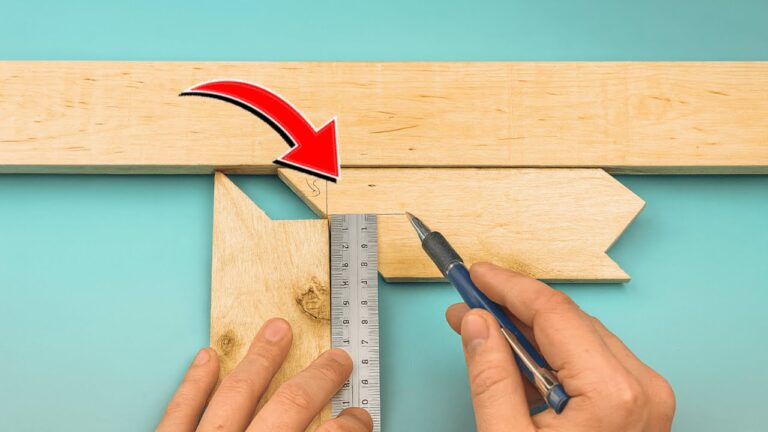
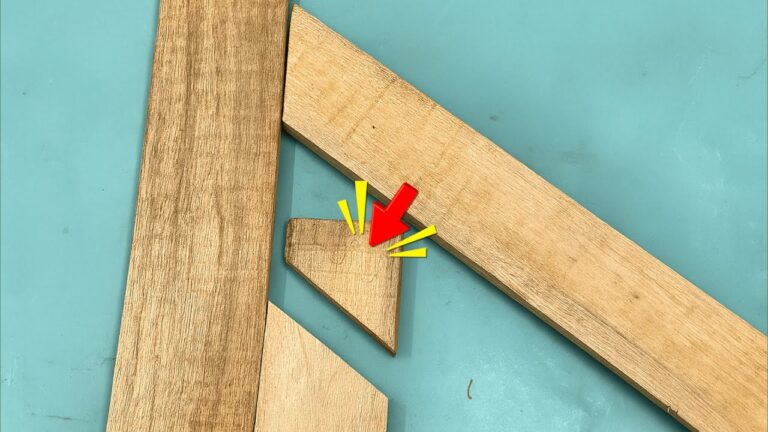
2. Poor Alignment
Improperly aligned pieces can create gaps or irregularities in your finished project. Take the time to measure and ensure everything is lined up before fastening.
3. Inadequate Clamping
Failing to use clamps adequately can result in joints that do not cure well. Make sure to apply uniform pressure while the glue sets to create a solid bond.
4. Skipping Dry Fitting
Always conduct a dry fit before applying glue. This helps you check alignment and ensures that everything fits together as expected.
5. Ignoring Wood Expansion
Wood naturally expands and contracts with changes in moisture. Not accounting for this can lead to joints cracking or breaking due to stress. Consider leaving a small gap in your joints to allow for movement.
Practical Tips for Success
Understanding the common mistakes is just the beginning. Applying practical tips can help you enhance the strength and appearance of your wood joints.
1. Use Quality Materials
Always choose quality wood and adhesives that are compatible with your project. The better the materials, the fewer mistakes you’ll encounter.
2. Keep Tools in Good Condition
Sharp and well-maintained tools make all the difference. Dull blades can lead to inaccuracies that might compromise your joints.
3. Take Your Time
Rushing through a project often leads to careless mistakes. Take the necessary time to measure, cut, and assemble your pieces.
4. Practice Regularly
Finally, practice makes perfect. Try different types of joints and techniques, even on scrap wood, to develop your skills.
Frequently Asked Questions
What are the best wood joints for beginners?
For beginners, butt and lap joints are excellent starting points due to their simplicity and ease of assembly.
How can I strengthen my wood joints?
Using additional mechanisms such as nails, dowels, or screws along with glue can provide extra strength to your wood joints.
Why is proper alignment so important?
Proper alignment ensures that your joints fit tightly, improving both the strength and visual appeal of your project.
Conclusion
By being aware of common mistakes in wood joints and applying practical tips for improvement, you can enhance your woodworking skills significantly. Have you experienced any challenges in your woodworking projects? Share your thoughts in the comments below!