1 Spoon for Year-Round Orchid Blooms: Discover the Secret to Easy Gardening Success!
1 Spoon for Year-Round Orchid Blooms: Discover the Secret to Easy Gardening Success!
- Introduction
- Understanding Orchids
- Basic Care Tips for Your Orchids
- Common Mistakes to Avoid
- FAQ
- Conclusion
Introduction
As you admire your orchid’s vibrant blooms, you may wonder why they seem to fade away too quickly. Perhaps you’ve tried different methods but still aren’t satisfied with the results. Many gardeners struggle to get their orchids to thrive year-round. However, understanding a few simple techniques can transform your gardening experience. Keep reading to uncover strategies for maintaining beautiful orchid blooms throughout the seasons.
Understanding Orchids
Orchids are diverse and beautiful flowers that often require special attention compared to other houseplants. Knowing their basic needs is essential for achieving long-lasting blooms.
Types of Orchids
- Phalaenopsis – Often known as the moth orchid, it’s great for beginners.
- Cattleya – Famous for their large, fragrant blooms and vibrant colors.
- Dendrobium – Known for their tall stems and unique flowers, perfect for adding height to your displays.
Natural Habitat
Understanding where your orchids naturally grow can inform how to care for them. Most orchids thrive in humid, tropical environments with filtered sunlight. Replicating these conditions in your home is crucial for their health.
Life Cycle
Recognizing the life cycle of your orchids can also be beneficial. They typically go through growth, blooming, and dormancy phases. Learning how to care for them during each phase can enhance their blooming success.
Basic Care Tips for Your Orchids
To ensure your orchids blossom beautifully, follow these essential care tips:
Watering Techniques
Watering is one of the most critical aspects of orchid care. Too much or too little can impact their blooming.
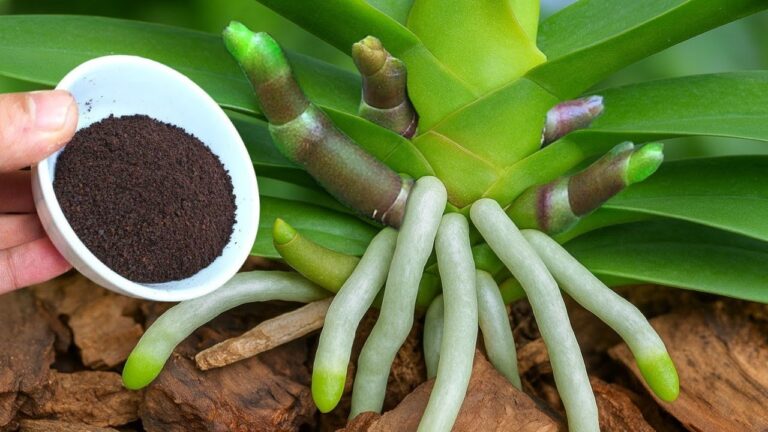
- Check the roots – Before watering, check if the roots are dry. Healthy roots should be green or silvery.
- Water deeply – When watering, allow the water to flow freely through the pot’s drainage holes.
- Avoid standing water – Never let orchids sit in water for extended periods as this can cause root rot.
Feeding Your Orchids
Orchids also require nourishment to support their growth and blooms:
- Use orchid fertilizer – Look for a balanced fertilizer specifically designed for orchids.
- Frequency – Fertilize your orchids once a month during the growing season and every two months during dormancy.
- Spoon method – A simple ratio can be using just one spoon of fertilizer in a gallon of water for optimal nutrition.
Light and Temperature Requirements
Finding the right balance of light and temperature is essential for keeping your orchids healthy.
- Indirect light – Place orchids near a window where they receive filtered sunlight.
- Temperature control – Keep orchids in an environment where temperatures range from 65°F to 75°F during the day and slightly cooler at night.
- Humidity – Aim for a humidity level of 40-60% for optimal health.
Common Mistakes to Avoid
Even seasoned gardeners may make mistakes when caring for orchids. Here are some common pitfalls to watch out for:
- Overwatering – This is one of the most frequent mistakes. Make sure your pots have good drainage.
- Underestimating light – Orchids need bright, but indirect light. Too much direct sunlight can scorch the leaves.
- Neglecting to repot – Over time, orchid roots can outgrow their pot, making repotting necessary to avoid stunted growth.
- Ignoring dormancy – Reduce watering and fertilizing during the dormancy phase to allow your orchid to rest.
FAQ
How often should I water my orchids? Watering should typically occur every 1-2 weeks, depending on your home’s humidity and temperature. Always check the roots first.
What type of light do orchids need? Orchids prefer bright, indirect light. A south or east-facing window is ideal.
When should I fertilize my orchids? Fertilize your orchids monthly during the growing season and every two months in dormancy. Use a diluted formula for best results.
Conclusion
Following these care tips can help you maintain vibrant orchid blooms throughout the year. By avoiding common mistakes and understanding your orchids’ needs, you can create a thriving environment. What types of orchids are you excited to grow in your home? Share your experiences in the comments!