Transform Your Orchids: 1 Teaspoon to Unlock Hundreds of Blooming Branches!
Transform Your Orchids: 1 Teaspoon to Unlock Hundreds of Blooming Branches
Introduction
Do you find yourself frustrated with your orchid not blooming as abundantly as you’d hoped? You water regularly, provide adequate light, and even talk to it occasionally, but still, those lovely blooms seem like a distant dream. It can be disheartening when you’ve put time and effort into caring for your plants, yet they don’t reward you with their colorful flowers. But keep reading; there’s a simple yet effective method that can help unlock the beauty of your orchids.
Understanding Orchids
Before diving into care techniques, it’s essential to understand what makes your orchids unique. These stunning plants have specific needs and characteristics that set them apart from other houseplants.
1. Types of Orchids
- Phalaenopsis: Commonly known as the moth orchid, it’s perfect for beginners.
- Cattleya: Famous for its large fragrant blooms, often used in corsages.
- Dendrobium: Known for their varied flower shapes, requiring specific care.
2. Natural Habitat
Understanding where orchids thrive in nature can help you mimic those conditions at home. Many orchids are epiphytes, meaning they grow on other plants rather than in soil, often in warm, humid environments. This knowledge is key to realizing their full blooming potential.
How to Nourish Your Orchids
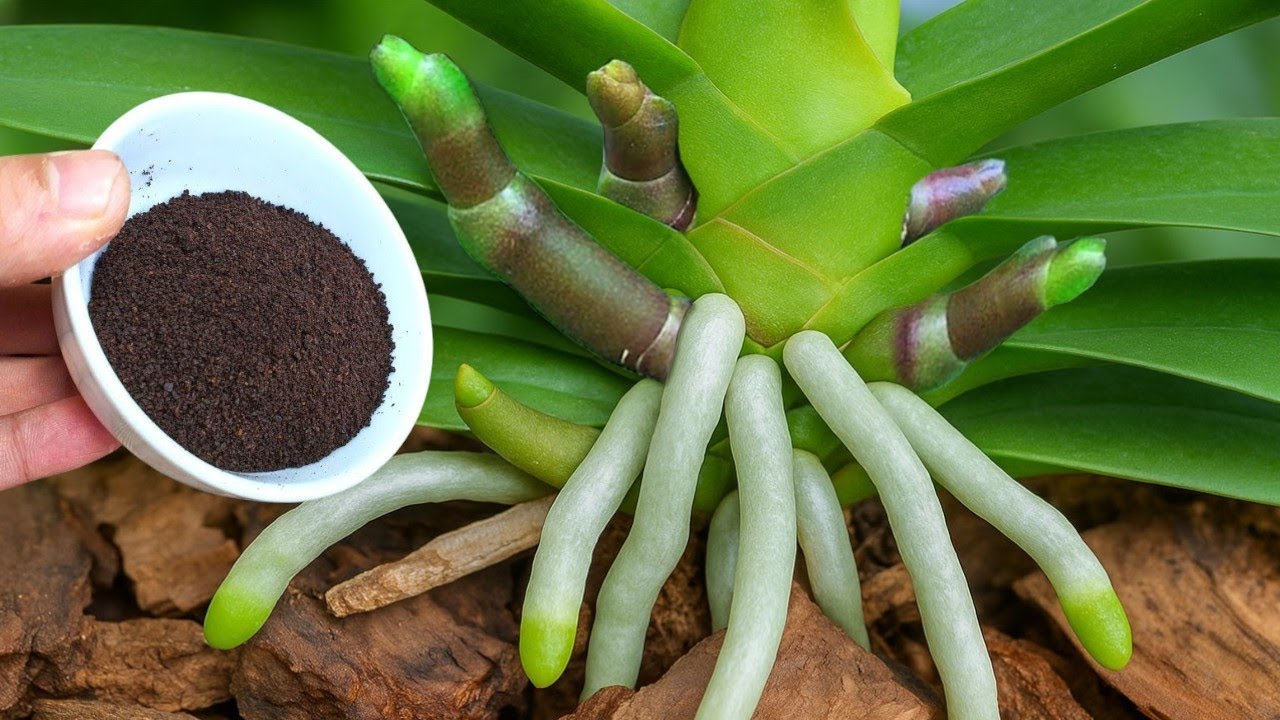
The right care can significantly enhance your orchids’ blooming capabilities. One of the simplest techniques involves using just a teaspoon of a suitable element to give them the boost they need.
1. Choosing the Right Fertilizer
Select an orchid-specific fertilizer with a balanced ratio of nutrients. A mix with higher phosphorus content supports blooming. Look for a product labeled as “20-20-20” or similar on the packaging.
2. Effective Application Technique
- Mix: Combine one teaspoon of your chosen fertilizer with a gallon of water. This dilution prevents root burn.
- Water: Apply this solution during your regular watering schedule, typically every two weeks.
- Filter: Make sure the water is at room temperature and free from chlorine for optimal absorption.
3. Additional Care Tips
- Humidity: Increase humidity levels around your orchids using a pebble tray or a humidifier.
- Light: Place your orchids in indirect sunlight to prevent leaf burn and promote healthy growth.
- Repotting: Consider repotting your orchids every couple of years, using fresh orchid potting mix.
Common Mistakes
Even with the best intentions, it’s easy to make mistakes while caring for your orchids. Being aware of these common pitfalls can help you avoid frustrating setbacks.
1. Overwatering
Many orchid owners mistakenly believe that more water means more blooms. In reality, overwatering can lead to root rot, which is detrimental to your plants. Always ensure the growing medium is dry before your next watering.
2. Inadequate Light
Too little light will hinder blooming. Ensure your orchids receive enough bright, indirect sunlight, as they thrive in well-lit conditions.
3. Improper Fertilization
Using too much fertilizer can harm your orchids. Stick to the recommended dosage and frequency for the best results.
FAQ
How often should I water my orchids?
Orchids typically need watering once a week, but it can vary depending on humidity and temperature. Always check the potting medium; if it feels dry, it’s time to water.
Can my orchid bloom more than once a year?
Yes, with proper care including fertilization and environmental conditions, orchids can produce blooms multiple times a year.
What is the best temperature for orchids?
Orchids prefer temperatures between 65°F to 75°F during the day and slightly cooler at night. Consistency in temperature contributes to healthy growth.
Conclusion
Transforming your orchids into blooming beauties requires understanding their unique needs and a simple feeding method. With just one teaspoon of the right fertilizer, you can boost their vitality and flower production. How do you care for your orchids to encourage blooming? Share your experiences in the comments below!