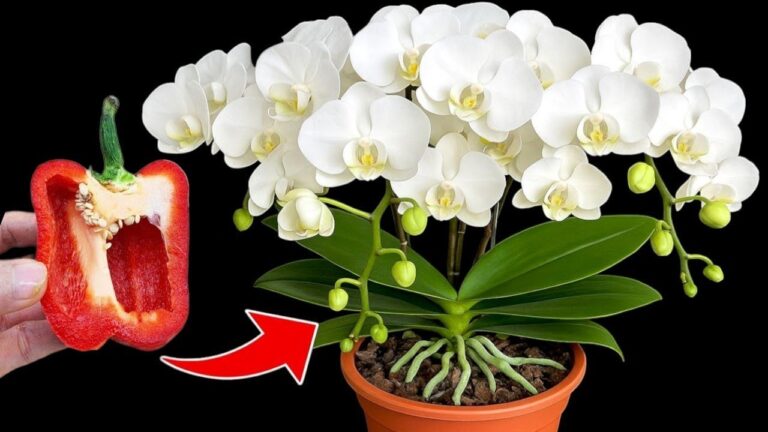
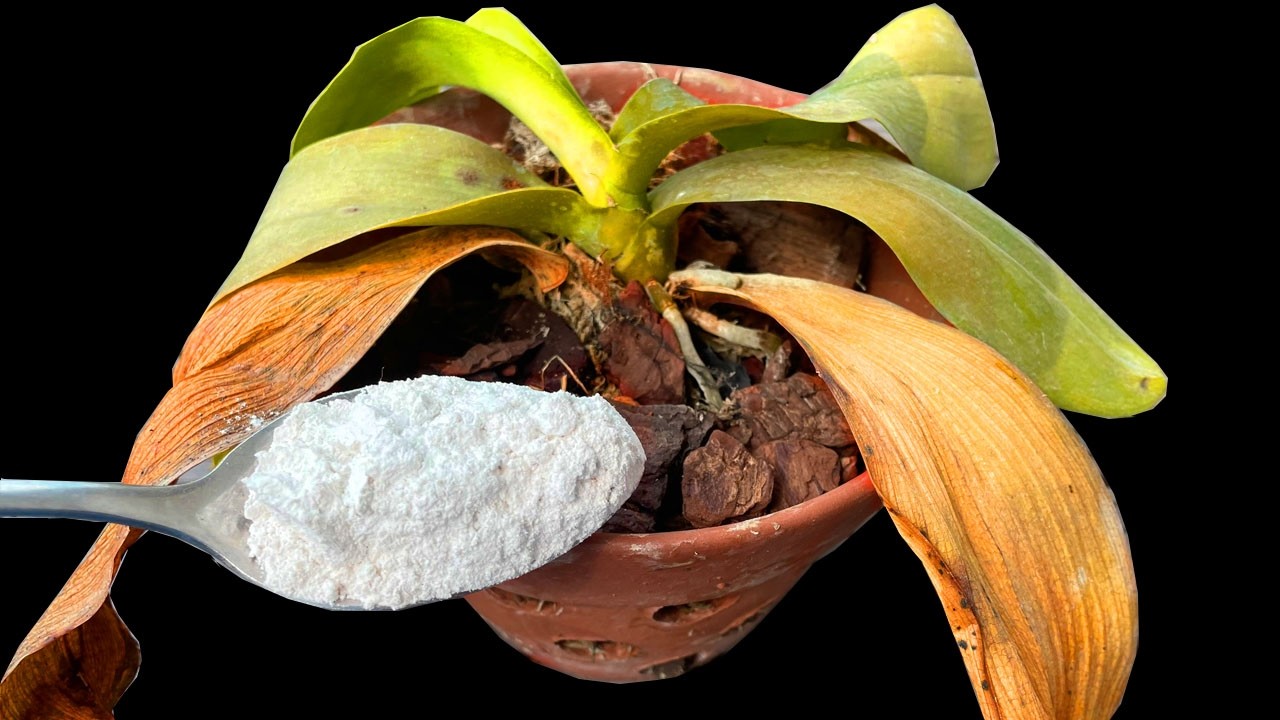
Transform Your Orchid: 1 Spoon for Instant Blooming Success!
Transform Your Orchid: 1 Spoon for Instant Blooming Success!
Orchids are truly remarkable plants, captivating many with their unique beauty and elegance. However, if you’ve struggled to get your orchid to bloom or noticed it not thriving, you are not alone. Many plant lovers face challenges in nurturing these delicate flowers. Understanding how to provide the right care can transform your gardening experience and lead to a stunning display of blooms. Let’s explore how you can enhance your orchid’s growth effectively.
Understanding Orchids
Before diving into the specifics, it’s essential to understand what makes orchids unique. These flowers come in a variety of types, each with distinct needs. Here’s what you need to know:
Types of Orchids
- Phalaenopsis: Known as the moth orchid, they are popular for beginners with their wide blossoms.
- Oncidium: Also called dancing lady orchids, they thrive in bright environments.
- Cattleya: These orchids are famous for their fragrant blooms and typically require more light.
Optimal Growing Conditions
Orchids require specific conditions to flourish. They thrive in well-drained potting mixes and appreciate humidity. Here are some key factors:
- Light: Indirect sunlight is ideal for most orchids.
- Water: Allow the potting medium to dry out between waterings.
- Humidity: A range between 40-60% boosts growth.
Best Nutrients for Orchids
Providing the right nutrients is crucial for promoting blooms. Here’s how you can nourish your orchid effectively:
Essential Nutrients
- Nitrogen: Vital for healthy leaf growth.
- Phosphorus: Encourages blooming and root development.
- Potassium: Supports overall health and resistance to disease.
Using Fertilizers
Choosing the right fertilizer can significantly impact your orchid’s blooming potential. Consider the following tips:
- Liquid Fertilizer: Use a balanced formula every other week during growing seasons.
- Granular Fertilizer: Apply sparingly as per directions on the package.
Step-by-Step Guide
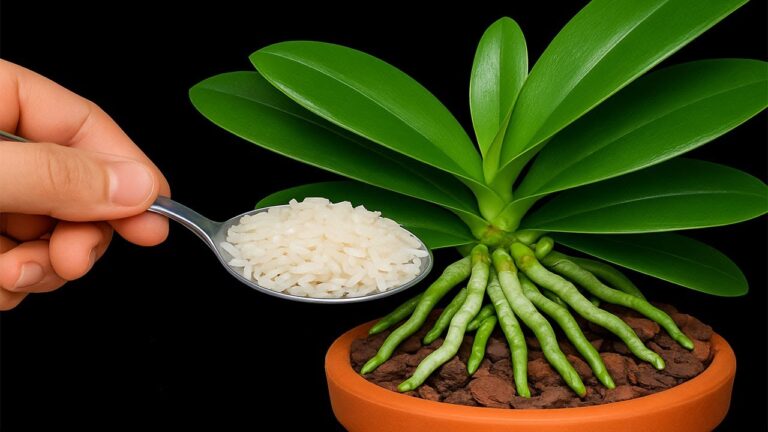
Now, let’s move on to the intriguing part: using just one spoonful of a key nutrient to transform your orchid’s blooming potential. Here is a straightforward guide:
Materials You Will Need
- 1 teaspoon of Epsom salt (magnesium sulfate)
- Water (approximately 1 quart)
- A container for mixing
The Process
- Mix: Combine 1 teaspoon of Epsom salt in 1 quart of water.
- Soak: Water your orchid with this solution once a month.
- Observe: Keep an eye on how your orchid responds to the new feed.
Visual Cues
You may notice improved leaf color and growth as you implement this technique. Flowers typically begin to develop shortly after application, showing you the beauty of well-cared-for orchids.
Common Mistakes to Avoid
Caring for orchids can be tricky, and many gardeners make common mistakes. Here are some to watch out for:
- Overwatering: Too much water can lead to root rot.
- Using the Wrong Potting Mix: Orchids need a specific mix for optimal drainage.
- Excessive Fertilizing: More is not always better; too much fertilizer can harm your plant.
FAQ
How can I tell if my orchid needs water?
Check the potting medium; if it feels dry to the touch, it’s time to water. The roots should look green when hydrated and silver when dry.
Can I use regular garden fertilizer for my orchids?
It’s best to use fertilizers specifically formulated for orchids, as they provide the right nutrient balance for their unique needs.
What’s the ideal temperature for growing orchids?
Most orchids prefer day temperatures between 70-80°F (21-27°C) and slightly cooler at night. Temperature variations can encourage blooming.
In summary, understanding the needs of your orchids and providing them with the right care can lead to spectacular blooms. What challenges have you faced with your orchids? Share your experiences and questions in the comments below.