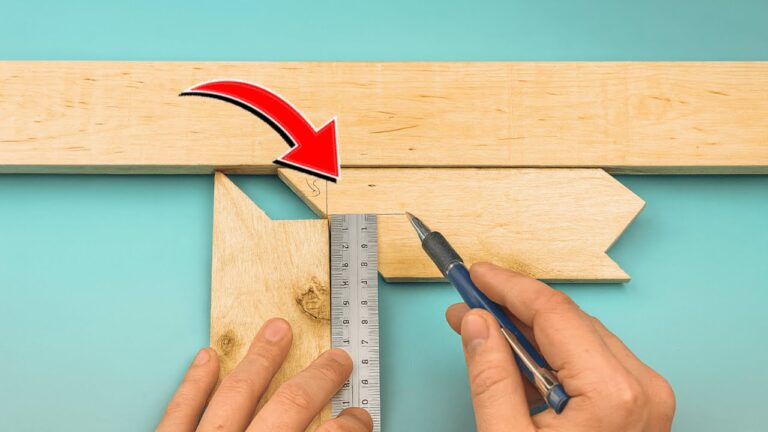

Discover 5 Genius Wood Joint Fixes from a Skilled Carpenter You Must Try!
5 Essential Wood Joint Fixes You Can Try Today
- Understanding Wood Joints
- Common Joint Issues
- Fixing Dowel Joints
- Reviving Miter Joints
- Mistakes to Avoid
- FAQ
Understanding Wood Joints
Working with wood can be a rewarding yet challenging endeavor. Over time, you may encounter various types of wood joints in your projects, from simple butt joints to more complex dovetail joints. Each type serves a unique purpose and can impact the overall durability and aesthetic of your creation. Understanding how each joint works is essential, especially when issues arise. By familiarizing yourself with these joints, you’ll be better prepared to tackle any problems that come your way. Let’s explore some common wood joint issues and effective fixes.
Common Joint Issues
Wood joints can suffer from a variety of issues, such as loosening, misalignment, or even damage caused by moisture. Recognizing these problems early can save you time and frustration down the road. Here are some typical issues you might face:
- Loose joints: Often a result of inadequate adhesive application or wear over time.
- Visible gaps: Can occur when joints are not aligned correctly, leading to spaces between pieces.
- Cracked or damaged joints: Moisture or improper handling can weaken wood and cause cracks.
By understanding these common issues, you’ll be well-equipped to implement effective fixes as we dive deeper into specific techniques.
Fixing Dowel Joints
Dowel joints are popular for their simplicity and strength, but they can become loose or misaligned over time. Here’s how to repair them:
- Assess the damage: Identify whether the dowels are still intact or need replacement.
- Remove the old dowels: Use a drill to extract any damaged dowels carefully.
- Prepare the holes: Clean out the holes to ensure a snug fit for the new dowels.
- Insert new dowels: Apply wood glue to the new dowels and gently tap them into the holes.
- Clamping: Secure the joint using clamps until the glue dries, ensuring it dries in a positioned way to prevent any misalignment.
This method can reinforce the joint’s stability, helping you achieve a smoother and more reliable joint.
Reviving Miter Joints
Miter joints are often used in frames and corners, but they can become unstable. Here’s how to revive them:
Start by checking for cracks or voids in the joint. If you identify any:
- Apply wood glue: Carefully inject glue into any cracks. Avoid excess glue that can squeeze out.
- Use brad nails: For additional support, drive brad nails at an angle into the joint.
- Reinforce the joint: Consider adding a corner brace or spline for extra stability if necessary.
These fixes will enhance the durability of your miter joints and keep your projects looking polished.
Mistakes to Avoid
Even with good intentions, it’s easy to make missteps when fixing wood joints. Here are some common errors to avoid:
- Using too much glue: This can lead to messy joints and potential misalignment.
- Skipping the drying time: Rushing can result in weak connections that won’t hold up.
- Neglecting surface preparation: Dirty or uneven surfaces can compromise the strength of the joint.
Avoiding these mistakes will save you time and help maintain the integrity of your woodworking projects.
FAQ
What types of wood joints are the strongest?
Mortise and tenon joints are known for their strength, frequently used in furniture making.
How can I prevent wood joint issues in the future?
Regular maintenance and avoiding exposure to excessive moisture can help keep joints intact.
Is it worth fixing a wood joint, or should I replace it altogether?
If done correctly, repairs can restore the joint’s strength and functionality, often making replacements unnecessary.
Conclusion
Knowing how to fix wood joints can significantly extend the life of your woodworking projects. By addressing common issues and applying effective techniques, you can ensure your creations remain strong and beautiful. Have you tried any of these fixes in your own projects? Share your experiences in the comments!