7 Tips for Perfect Wood Joinery: Fix Angle Mistakes for a Flawless Fit!
7 Essential Tips for Perfect Wood Joinery: Fix Angle Mistakes for a Flawless Fit
- Introduction
- Understanding Wood Joinery
- Required Tools for Wood Joinery
- Common Angle Mistakes in Wood Joinery
- Techniques to Fix Angle Mistakes
- Maintaining Your Tools for Best Results
- FAQ
- Conclusion
Introduction
Have you ever found yourself struggling with wood joinery, only to realize that the angles just don’t fit together as they should? This common issue can lead to frustration, especially when you envision the perfect piece of furniture or project. Even experienced woodworkers face angle challenges that can seem insurmountable. Understanding the nuances of wood joinery can greatly enhance your woodworking skills, making your projects not only easier but also more rewarding. Let’s delve into essential tips to help you achieve a flawless fit.
Understanding Wood Joinery
Wood joinery is the technique of connecting two or more pieces of wood together. Mastering it is crucial for the structural stability and aesthetics of your projects. Familiarizing yourself with different types of joints—such as butt joints, miter joints, and dovetails—can elevate your woodworking expertise.
Types of Wood Joints
- Butt Joint: The simplest form, where two pieces are butted together.
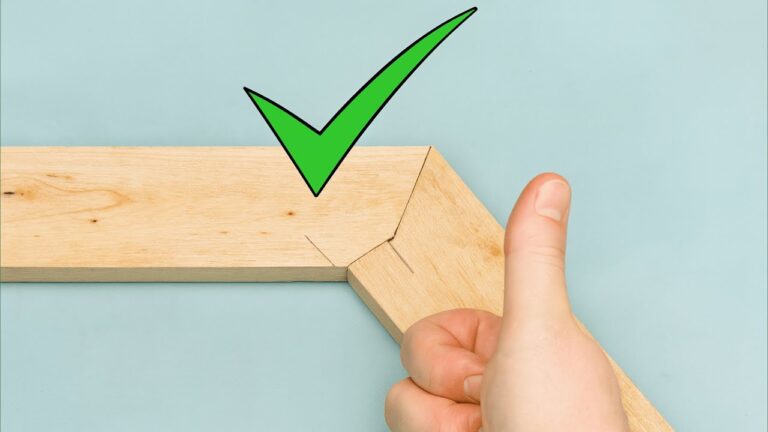
- Miter Joint: A joint made at an angle, often used for frame corners.
- Dovetail Joint: Known for its strength and visual appeal, commonly used in drawers.
Why Accuracy Matters
Accurate angles ensure that joints fit snugly and securely, providing both strength and a polished look. Even small discrepancies can lead to gaps or weak points, affecting the overall integrity of your project.
Required Tools for Wood Joinery
Having the right tools is essential for successful wood joinery. Here’s a list of tools that you might find helpful:
- Saw: A miter saw or table saw for precise cuts.
- Angle Finder: To measure and verify angles accurately.
- Clamps: For holding pieces securely while drying or set.
- Router: Helpful for creating decorative edges and specific joints.
- Square: Essential for ensuring your cuts are straight and true.
Common Angle Mistakes in Wood Joinery
Here are some typical mistakes to watch out for when performing wood joinery:
- Incorrect measurements: Always double-check your measurements before cutting.
- Misaligned Cuts: Take time to set up your saw properly for accurate angles.
- Lack of Test Cuts: Make test cuts using scrap wood to ensure your settings are correct.
- Forgetting to mark reference points: Marking helps guide your cuts and aligns pieces for assembly.
Techniques to Fix Angle Mistakes
If you find yourself facing angle mistakes, here are some effective techniques to remedy the situation:
Re-cutting the Joint
If the angle is off, it may simply be a matter of re-cutting your joint. Adjust your measurements and make sure to double-check your cuts before proceeding.
Using Wood Filler
For smaller gaps caused by mistakes, wood filler can be a practical solution. Once applied, sand it down to create a smooth finish that blends with the surrounding wood.
Angle Adjusters
Using angle adjusters can help re-align angled cuts. They offer a temporary fix but ensure to revisit and reinforce your joint later as needed.
Maintaining Your Tools for Best Results
Proper maintenance of your tools ensures longevity and performance, which is vital for achieving precise angles in wood joinery.
Regular Cleaning
Always clean saw blades, routers, and other tools after each use to prevent buildup that could affect accuracy.
Sharpening Blades
Keep your blades sharp for clean cuts. Dull blades can lead to splintering and inaccurate angles.
Storage
Store your tools properly to avoid damage. Ensure that they are protected from moisture and dust, which can impact their performance over time.
FAQ
What is the best joint for beginners?
Butt joints are often recommended for beginners due to their simplicity, making it easier to practice measuring and cutting accurately.
How can I ensure more accuracy in my cuts?
Using a miter saw with a laser guide can greatly enhance accuracy. Additionally, always measure twice before cutting.
Is it necessary to use clamps when gluing joints?
Yes, clamps are essential for holding pieces in place while the glue dries, ensuring a stronger bond and proper alignment.
Conclusion
Mastering wood joinery and fixing angle mistakes is a blend of practice and precision. By following these tips, you can greatly improve the quality of your woodworking projects. What challenges have you faced in wood joinery? Share your experiences in the comments below.