
10 Insane Woodworking Cuts You Need to Try for Perfect Precision!
10 Impressive Woodworking Cuts for Enhanced Precision
- Understanding Precision in Woodworking
- Essential Tools for Precise Cuts
- Top Woodworking Cuts to Master
- Common Mistakes to Avoid
- FAQ
Have you ever found yourself struggling to achieve the perfect cut while working on your woodworking projects? Whether you’re crafting furniture or decorative pieces, the precision of your cuts can significantly impact the final result. Many woodworkers face challenges in maintaining accuracy, which can lead to frustration and wasted materials. The good news is that with the right techniques and practices, you can enhance your cutting skills and produce stunning results. Keep reading to discover valuable insights into impressive woodworking cuts that can elevate your craftsmanship.
Understanding Precision in Woodworking
Before diving into the specific cuts, it’s essential to understand what precision means in woodworking. It refers to the accuracy of your cuts and how well they align with your intended measurements and angles.
Importance of Precision
Precision is crucial for several reasons: it ensures joints fit together seamlessly, enhances the aesthetic appeal, and supports the structural integrity of your projects. Missing this mark could result in gaps and a less-than-satisfactory finish.
Factors Influencing Cutting Precision
- Type of Tool: Different tools yield varying levels of accuracy.
- Technique: Your cutting technique plays a vital role in achieving precision.
- Material Quality: The quality of the wood impacts the cutting outcome.
Essential Tools for Precise Cuts
The right tools can make all the difference when it comes to achieving precision in woodworking. Here are some essential tools you should consider incorporating into your workshop.
Measuring Tools
Accurate measurements are the foundation of precision cutting. Invest in quality measuring tools such as:
- Tape measures
- Combination squares
- Calipers
Cutting Tools
Selecting the right cutting tools is equally important. Some recommended tools include:
- Table Saw: Ideal for straight, precise cuts.
- Router: Great for edge finishing and complex cuts.
- Miter Saw: Perfect for angled cuts.
Top Woodworking Cuts to Master
Now that you have a clearer understanding of precision and the necessary tools, let’s explore some impressive woodworking cuts you should try mastering.
1. Rip Cuts
Rip cuts are made parallel to the grain of the wood. They are essential for resizing boards and creating uniform sections. To execute a perfect rip cut:
- Set the fence: Adjust it to your desired width.
- Feed the wood: Ensure the wood is pressed firmly against the fence.
- Maintain a steady pace: Do not rush; precision is key.
2. Cross Cuts
Cross cuts are made against the grain and are typically performed at 90-degree angles. Use a miter saw to achieve maximum accuracy.
- Adjust the saw’s angle for precise cuts.
- Clamp the wood securely to avoid movement.
3. Dado Cuts
Dado cuts create a groove in the wood, typically used for shelving. To master this cut:
- Set the blade depth: Ensure it’s appropriate for the thickness of your shelf.
- Use a fence: This helps maintain consistency across multiple pieces.
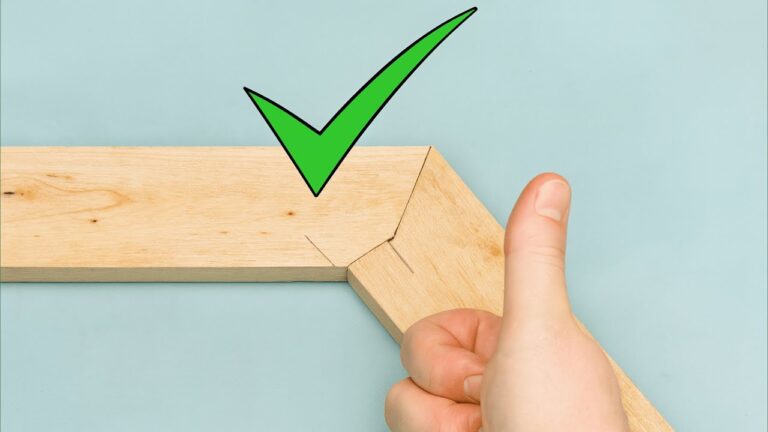
4. Bevel Cuts
Bevel cuts involve cutting at an angle other than 90 degrees. These cuts are great for enhancing the design of your projects.
- Adjust your miter saw to the desired angle.
- Make your cut slowly to ensure accuracy.
5. Mortise Cuts
These cuts are used to create openings in a wooden piece so that another piece can fit into it. They are crucial for joints in furniture:
- Mark the area: Use a marking gauge for precision.
- Drill multiple holes: This eases the process of removing the waste material.
Common Mistakes to Avoid
- Rushing through measurements can lead to inaccurate cuts.
- Neglecting tool maintenance can affect precision.
- Using dull blades compromises the quality of your cuts.
- Forgetting to double-check setups often leads to errors.
- Not securing the wood properly while cutting can cause uneven results.
FAQ
What types of wood are best for precision cuts?
Hardwoods like oak and maple are ideal for precision cuts due to their density and stability.
How can I ensure my cuts are straight?
A solid fence on your table saw and proper measuring techniques will significantly help maintain straight cuts.
What is the best finishing technique for curved cuts?
Sanding is often the best approach for achieving a smooth finish on curved cuts.
Conclusion
Achieving impressive woodworking cuts involves a combination of the right tools, techniques, and careful execution. By mastering these cuts, you can greatly enhance the precision of your woodworking projects. What woodworking cut are you eager to try next? Share your thoughts in the comments!