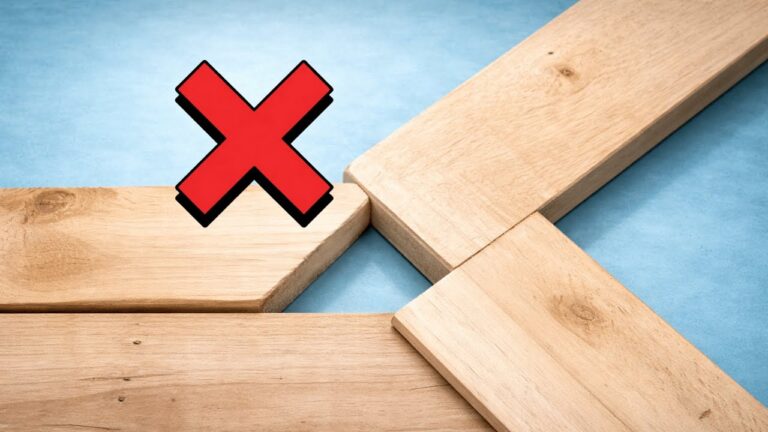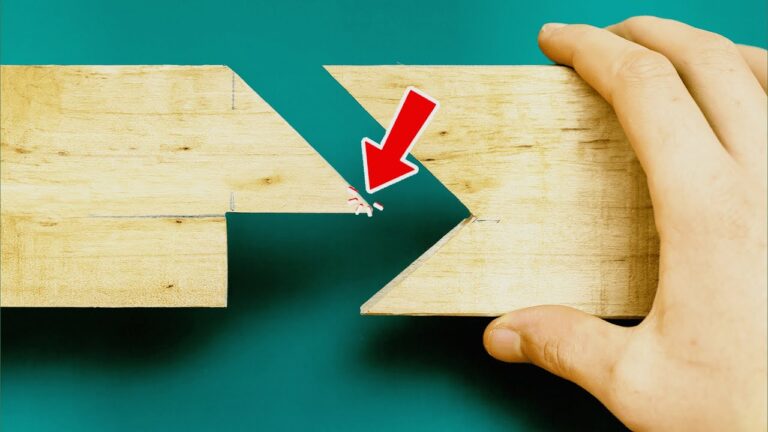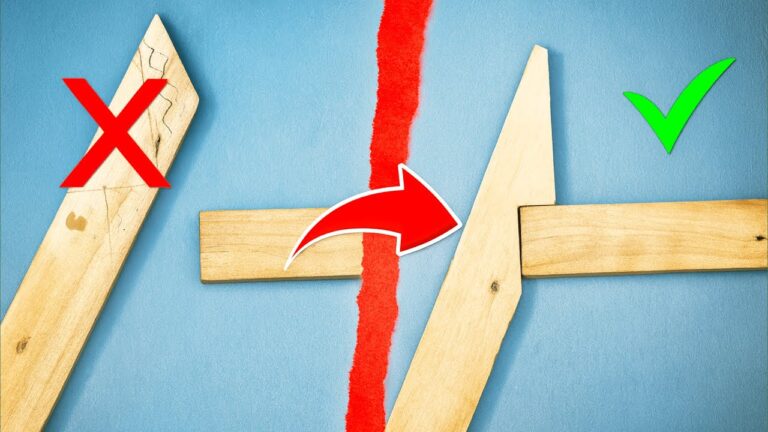
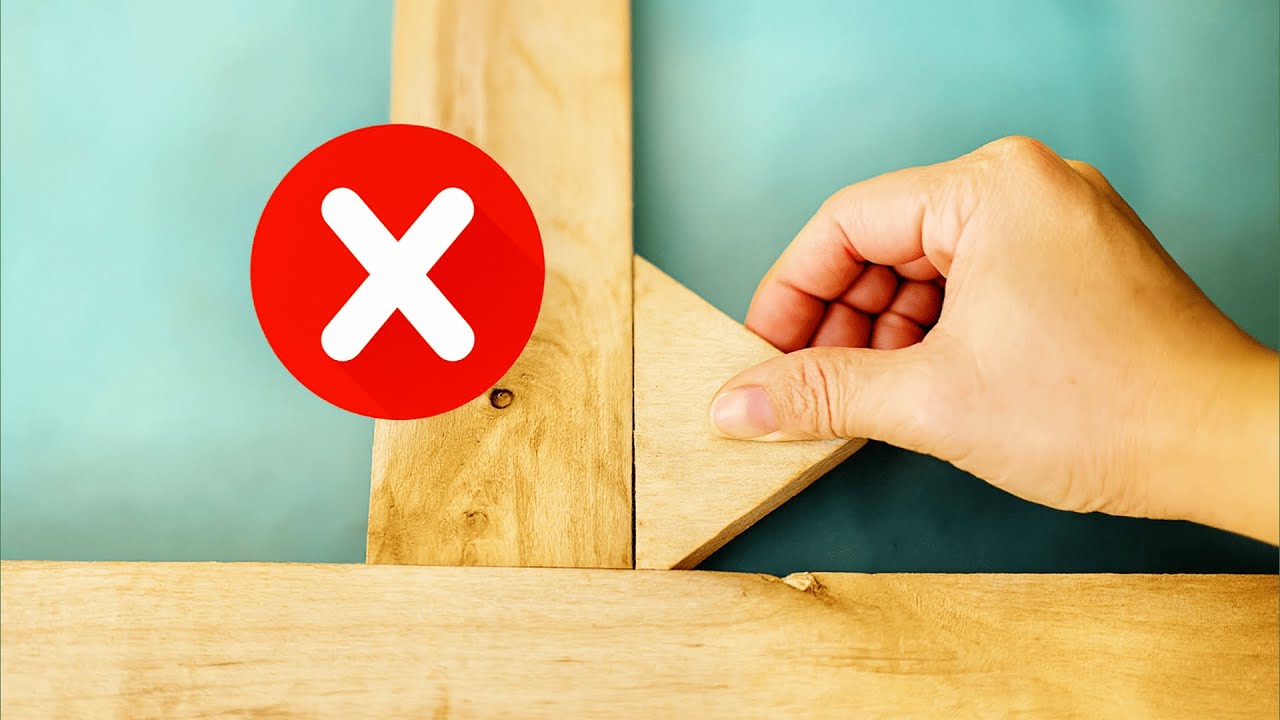
Avoid This 1 Hot Error in Wood Joinery for Perfect DIY Carpentry Results
Avoid This Common Mistake in Wood Joinery for Perfect DIY Carpentry Results
- Introduction
- Understanding Wood Joinery
- Essential Tools for Successful Joinery
- Common Mistakes to Avoid
- Tips for Perfect Results
- FAQ
Introduction
You’ve just gathered your materials and are ready to start your next DIY carpentry project, but something feels off. Maybe it’s the joinery technique you plan to use or the tools you’ve chosen. Even the best intentions can lead to frustrating outcomes if a crucial mistake is made. Understanding the common pitfalls in wood joinery can significantly enhance your results. Continue reading to ensure your next project turns out just as you envisioned.
Understanding Wood Joinery
Wood joinery is the heart of carpentry, enabling diverse and strong connections between pieces of wood. When you understand the various types of joints, you can select the right method for your specific project.
Types of Wood Joints
- Butt Joint: The simplest form, where two pieces meet at their ends.
- Dovetail Joint: Known for its strength, featuring interlocking shapes.
- Mortise and Tenon Joint: A traditional method providing excellent stability.
Choosing the Right Joint for Your Project
The type of joint you choose impacts both aesthetics and strength. Consider the weight the joint will bear and the visual style you want to achieve. For instance, dovetail joints are often favored in fine furniture, while butt joints might be suitable for simpler, less visible sections.
Essential Tools for Successful Joinery
Having the right tools is essential for making clean, precise cuts and ensuring a strong bond between joints. Here are some must-have items:
Basic Tools
- Saw: A good-quality saw is crucial for clean cuts.
- Chisel: Necessary for shaping joints and ensuring a snug fit.
- Clamps: Essential for holding pieces together while glue dries.
Advanced Tools
- Router: This tool can add decorative edges and cut joints efficiently.
- Drill: Useful for making pilot holes to prevent wood from splitting when driving screws.
Common Mistakes to Avoid
Even seasoned carpenters can fall into traps that may compromise their projects. Recognizing these common mistakes can save you time and frustration.
1. Skipping the Test Cuts
Before committing to the final pieces, always make test cuts. This will help ensure that your settings are accurate, minimizing the risk of mistakes.
2. Not Measuring Twice
It might sound cliché, but failing to double-check dimensions can lead to costly errors. Always take a moment to measure twice before cutting.
3. Ignoring Wood Grain Direction
The direction of the wood grain affects how cuts are made. Cutting against the grain can lead to splintering and an unclean finish.
4. Rushing the Glue Drying Process
Patience is vital. Allow your glue to dry according to the manufacturer’s instructions for a stronger bond.
5. Overusing Fasteners
Using too many screws or nails can weaken the joint. Use only what is necessary for strength.
Tips for Perfect Results
Implementing a few extra measures can enhance your wood joinery techniques significantly.
1. Practice Different Joinery Techniques
Spend time practicing various techniques on scrap wood. This way, you can refine your skills before working on your actual project.
2. Use Quality Materials
Investing in quality wood makes a significant difference in the final outcome. Look for straight, dry pieces with minimal knots.
3. Keep Your Tools Maintained
Regular maintenance ensures that your tools are in good working order, which leads to more precise cuts and joints.
FAQ
What are the best wood joints for beginners?
Butt joints and lap joints are ideal for beginners as they are simple to execute and require minimal tools.
How do I choose the right glue for wood joints?
Use a polyurethane glue or PVA (polyvinyl acetate) for most wood projects, as they provide a strong bond and are easy to work with.
Can I fix mistakes in wood joinery?
Many mistakes can be rectified, such as using wood filler for gaps or reinforcing joints with additional screws or glue.
Conclusion
By recognizing common mistakes and employing essential tips, you can significantly improve your wood joinery skills. What challenges have you faced in your woodworking projects? Feel free to share your experiences in the comments below.