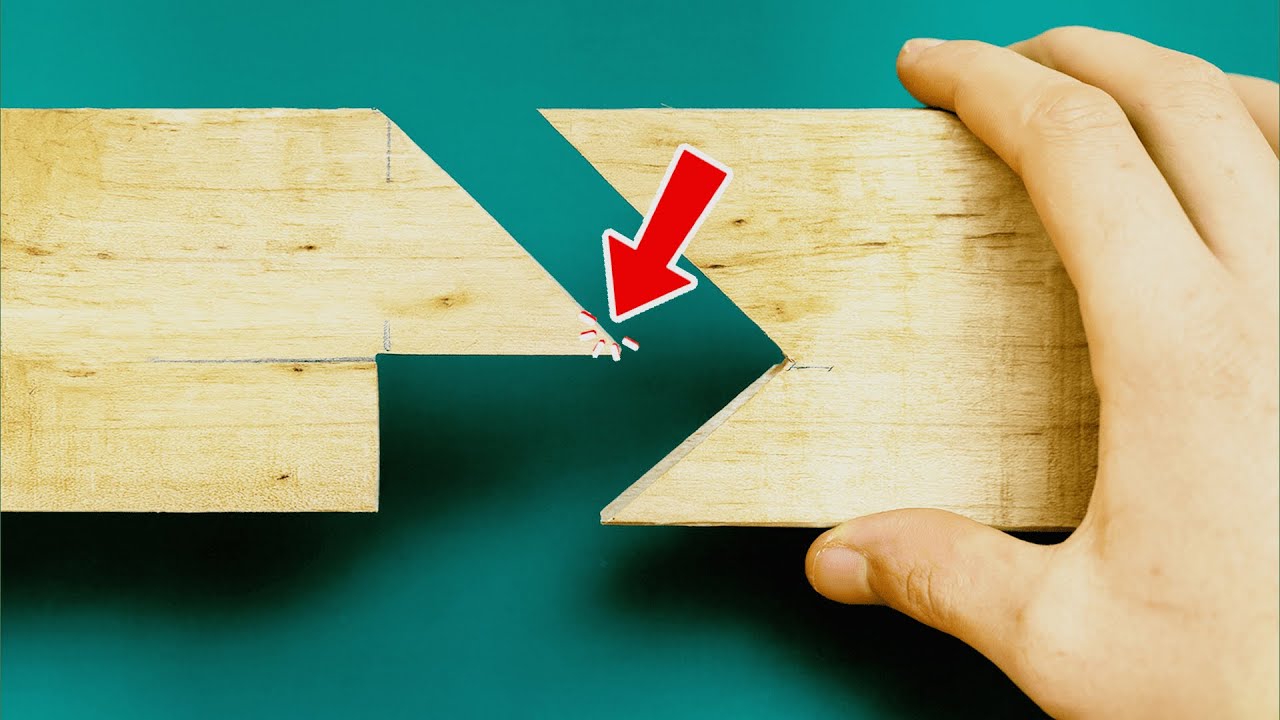
Discover 5 Reasons Why This Wood Joint Is the Strongest and Fits Perfectly
5 Strong Reasons to Choose This Wood Joint for Your DIY Projects
- Introduction
- Understanding the Wood Joint
- Benefits of This Wood Joint
- Practical Application in DIY Projects
- Common Mistakes to Avoid
- FAQ
Introduction
As you embark on your next DIY project, you may find yourself struggling with different types of wood joints. Perhaps you’ve faced the frustration of assembling pieces that just don’t seem to fit or hold together well. If you’ve ever questioned which joint will provide strength and stability to your projects, you’re not alone. Understanding the right choice can greatly enhance the longevity and quality of your work. Let’s explore why this specific wood joint stands out among the rest.
Understanding the Wood Joint
Before diving into the reasons to use this wood joint, it’s essential to understand what makes it unique. This particular joint is recognized for its strength and versatility in woodworking.
1. Types of Wood Joints
There are several types of wood joints, each serving different purposes. Some common examples are:
- Butt Joint
- Dado Joint
- Miter Joint
However, the joint in question excels due to its structural integrity.
2. Construction Techniques
The method used in creating this joint often includes precise cutting techniques, ensuring a snug fit. This attention to detail is crucial for durability.
3. Application Versatility
This wood joint can be utilized in various applications, from furniture making to cabinetry. Its adaptability makes it an excellent choice for any woodworking enthusiast.
Benefits of This Wood Joint
Choosing the right wood joint can set your projects apart. Here are some compelling reasons to consider using this specific joint:
1. Exceptional Strength
One of the primary advantages of this wood joint is its remarkable strength. The interlocking design enhances resistance to forces, making it suitable for heavy-duty projects.
2. Aesthetic Appeal
Aside from functionality, this joint can also be visually appealing. When executed well, the joint can add a refined touch to your woodworking pieces, elevating their overall look.
3. Ease of Assembly
This wood joint is relatively easy to work with. The straightforward assembly process allows even beginners to achieve professional results without frustration.
4. Durability
The longevity of your projects is crucial. This joint is designed to withstand wear and tear, ensuring that your creations stand the test of time.
Practical Application in DIY Projects
Understanding how to incorporate this wood joint into your DIY projects is key to achieving the best results. Here are some practical tips:
1. Choosing the Right Materials
Using quality wood enhances the effectiveness of this joint. Opt for hardwoods if possible, as they provide the best strength.
2. Step-by-Step Assembly
- Measure and mark where the joint will be made on each piece of wood.
- Cut the joint carefully to maintain accuracy for a snug fit.
- Assemble the pieces, ensuring they align correctly before securing.
- Secure the joint using wood glue or screws, depending on your project requirements.
3. Finishing Touches
After assembly, sand the joint area to prepare it for finishing. This step can enhance both the look and feel of the wood.
Common Mistakes to Avoid
Even experienced DIY enthusiasts can make mistakes when working with wood joints. Here are some common pitfalls to watch out for:
1. Misalignment
Failing to align the pieces accurately can compromise the strength of the joint. Always double-check your measurements.
2. Inadequate Gluing
Insufficient glue application can lead to weak joints. Ensure there is enough glue to bond effectively.
3. Neglecting Drying Time
Rushing to use the joint before the glue has dried can result in failure. Allow proper drying time to ensure optimal strength.
FAQ
What is the strongest wood joint?
The strongest wood joint is often considered to be the mortise and tenon joint due to its interlocking design that provides exceptional strength.
Can I use this joint for outdoor projects?
Yes, this wood joint can be used for outdoor projects; however, proper sealing and weatherproofing are necessary to protect it from the elements.
What types of wood are best for making joints?
Hardwoods like oak or maple are ideal for making strong joints due to their dense structure and durability.
Conclusion
Understanding the advantages and practical applications of this specific wood joint can elevate your DIY projects to new heights. Avoiding common mistakes will further enhance your woodworking skills. What wood joint techniques have you found most effective in your projects? Feel free to share your thoughts in the comments below.