5 Insane Wood Joint Fits You Won’t Believe Exist! Discover the Craftsmanship Secrets!
5 Unbelievable Wood Joint Fits You Need to Know
- Introduction
- Creative Wood Joint Options
- Step-by-Step Guide to Making Joints
- Common Mistakes to Avoid
- FAQ
Introduction
Have you ever admired handcrafted wood furniture and wondered about the intricate joints that hold it all together? While some wood joints are straightforward, others might surprise you with their complexity and artistry. Understanding these unique joint fits can elevate your DIY projects, turning simple pieces of timber into masterpieces. Join us as we explore fascinating wood joint techniques that can enhance your woodworking skills and impress your friends.
Creative Wood Joint Options
Woodworking can become a true art form with the right joint techniques. Here are five wood joint fits that will inspire you to think outside the box:
- 1. Mortise and Tenon Joint: This classic joint is renowned for its strength and stability. It comprises a rectangular hole (mortise) and a matching projection (tenon) on another piece, allowing for a tight fit.
- 2. Dovetail Joint: Known for its aesthetic appeal, the dovetail joint features interlocking pins and tails, creating a strong joint ideal for drawers and cabinets.
- 3. Finger Joint: This joint is made by cutting complementary profiles into two pieces of wood, resembling interlocking fingers. It provides a strong connection perfect for edge joining.
- 4. Pocket Hole Joint: This technique involves drilling angled holes into one board, then securing it to another with screws. It is often used in home furniture projects due to its ease of assembly.
- 5. Sliding Dovetail Joint: This joint combines the pin and tail systems of traditional dovetails but allows for one board to slide into another. It’s great for shelves and cabinetry.
Personalizing Your Wood Joints
Consider incorporating unique designs or patterns into your joints for a personal touch. For instance, try using different wood types to create striking contrasts that highlight the joint itself. Experimenting with finishes can also enhance the aesthetic quality of your finished pieces.
Tools You May Need
- Chisels
- Wood glue
- Screws
- Clamps
- Drills
Step-by-Step Guide to Making Joints
Creating these joints may seem daunting, but breaking them down into manageable steps can make it easier. Here’s how to create some of the common wood joints:
Making a Mortise and Tenon Joint
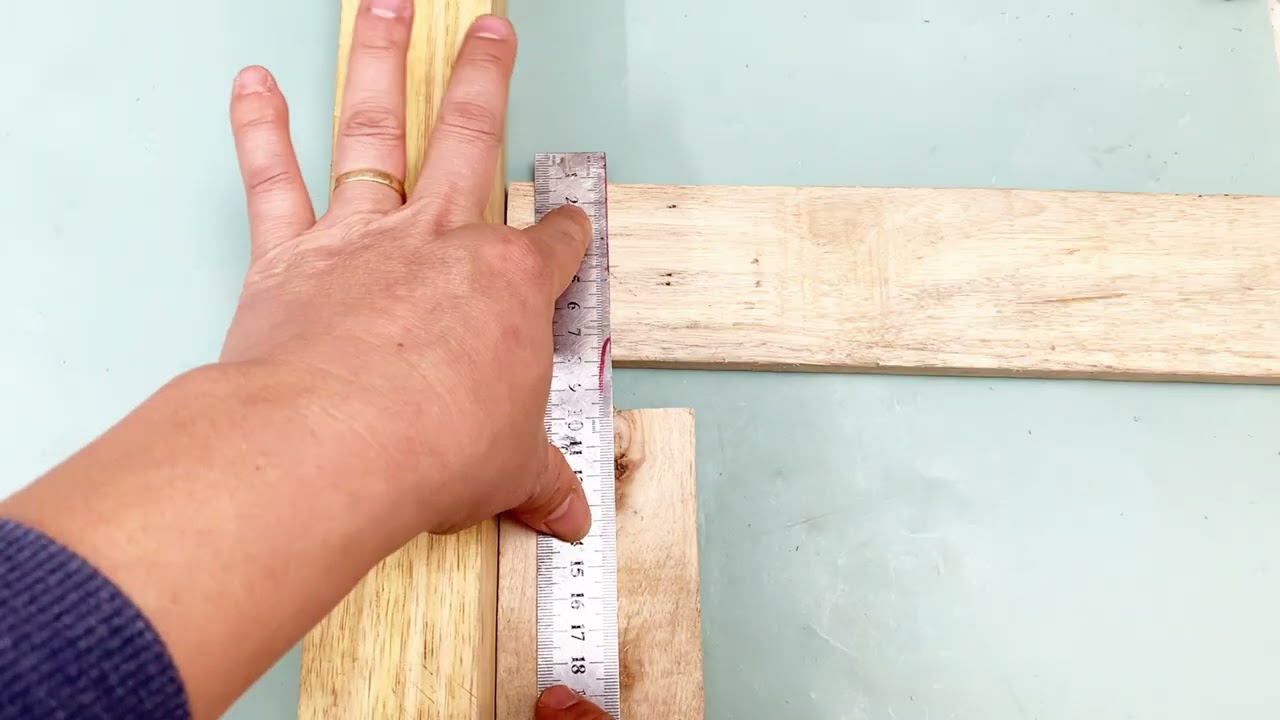
- Measure the thickness of your wood to determine the dimensions for your tenon.
- Cut the mortise using a chisel or router into the receiving piece.
- Shape the tenon on the piece that fits into the mortise, ensuring a snug fit.
- Glue the joint together and clamp it until secure.
Creating a Dovetail Joint
- Mark the outlines of the tails on one board.
- Cut the tails using a dovetail saw.
- Transfer the tail profiles to the second board and cut the matching pins.
- Assemble the joint, ensuring that all pieces fit tightly together.
Common Mistakes to Avoid
As you dive into woodworking, being aware of potential pitfalls can save you time and frustration. Here are some common mistakes:
- 1. Inaccurate Measurements: Always double-check your measurements to ensure precision.
- 2. Weak Joints: Neglecting to use adequate glue or fasteners can lead to structural issues.
- 3. Overlooking Grain Direction: The wood grain affects joint strength; always align your cuts according to the grain.
- 4. Rushing the Process: Take your time with each joint to achieve better results.
- 5. Skipping Dry Fits: Always perform a dry fit before final assembly to ensure everything fits correctly.
FAQ
What are the benefits of using different wood joints?
Using various wood joints can enhance the strength, durability, and aesthetic appeal of your projects. Each joint serves a specific purpose and adds character to the finished piece.
How do I choose the right joint for my project?
Consider the purpose of the piece, the type of wood you’re using, and the desired finished look. For structural integrity, stronger joints like mortise and tenon are preferable, while dovetail joints add elegance.
Can I use glue alone for my joints?
While wood glue is crucial for many joints, combining it with screws or additional fasteners can yield a stronger result. Always assess the specific joint type and its intended use.
Conclusion
Exploring unique wood joint fits can transform your DIY woodworking projects. Each joint offers different strengths and aesthetic qualities to enhance your creations. What wood joint have you tried or are you excited to experiment with?