Revive Your Orchid with Just 1 Slice: 5 Tips for Thriving Roots
Revive Your Orchid with Just 1 Slice: Essential Tips for Thriving Roots
- Introduction
- Understanding Orchids and Their Needs
- The Importance of Healthy Roots
- Reviving Your Orchid: Techniques to Ensure Thriving Roots
- Common Mistakes to Avoid
- FAQ
- Conclusion
Introduction
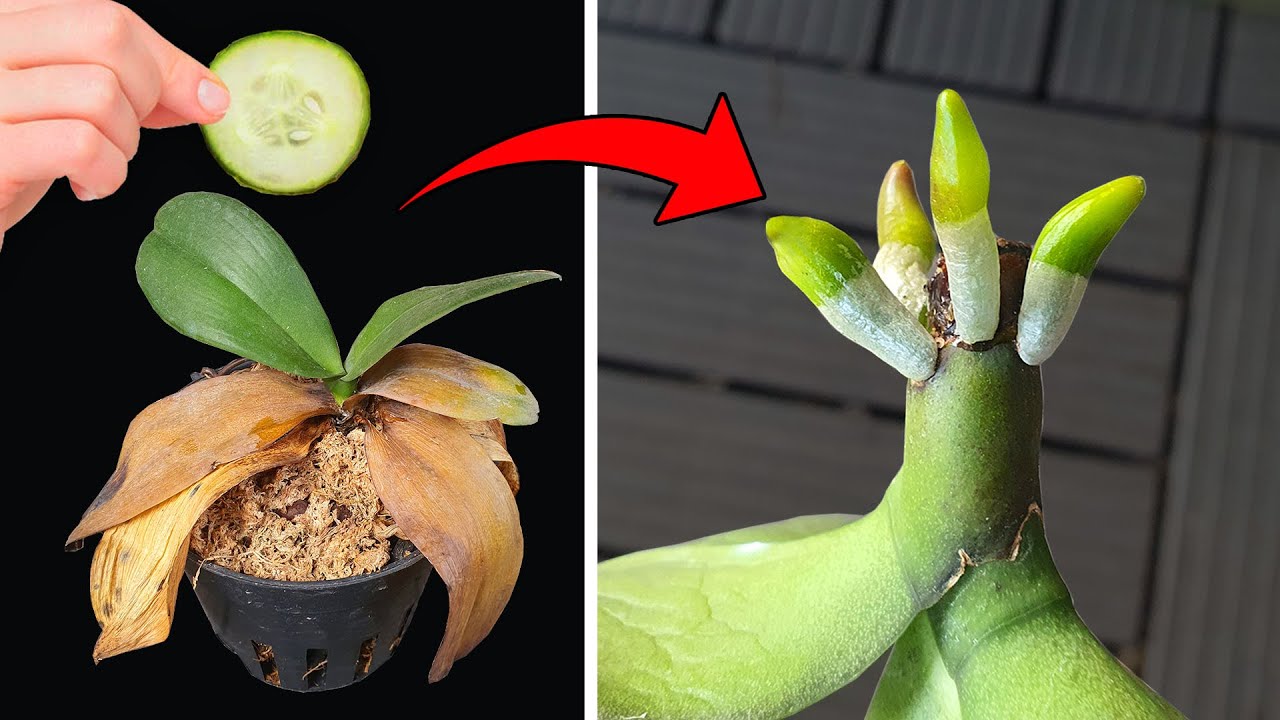
Are your orchid roots lacking vitality, leaving your beautiful plant struggling to thrive? It’s not uncommon to find these stunning plants wilting, especially when their roots are not up to par. Knowing how to care for your orchids properly can make all the difference in their health. This guide offers you practical tips to ensure those roots are robust and flourishing, so you can enjoy the beauty of your orchids for a long time. Keep reading to discover how a simple slice can help revitalize your plant.
Understanding Orchids and Their Needs
Orchids are unique plants with specific care requirements that set them apart from other houseplants. Understanding these needs is the first step towards ensuring their health.
1. Unique Growing Habits
Unlike many plants, orchids generally grow on trees or rocks in their natural habitat, deriving moisture and nutrients from the air and rain. Their roots are adapted to absorb this moisture efficiently.
2. Ideal Temperature and Light Conditions
Orchids thrive in environments with moderate temperatures, ideally between 65°F to 75°F. Additionally, providing the right amount of filtered light is crucial. Too much direct sunlight can scorch their leaves, while too little can hinder their growth.
The Importance of Healthy Roots
The roots of an orchid play a critical role in its overall health and longevity. Let’s explore why they are so vital.
1. Nutrient Absorption
Healthy roots are essential for the absorption of water and nutrients. Without well-nourished roots, an orchid cannot support its foliage and flowers, leading to further decline.
2. Stability and Support
Strong roots anchor the orchid securely in its pot or growing medium. This stability is especially important for the plant’s overall structure, preventing it from toppling over or becoming dislodged.
Reviving Your Orchid: Techniques to Ensure Thriving Roots
If your orchid’s roots are in distress, consider these various techniques to restore their vitality.
1. Inspect the Roots
- Remove the orchid from its pot carefully.
- Check the condition of the roots — healthy roots should be firm and green, while unhealthy roots can appear brown and mushy.
- Trim any dead or damaged roots with sterilized scissors to promote new growth.
2. Hydration Techniques
Providing adequate moisture is essential for root recovery. Here are a couple of methods to hydrate your orchid effectively:
- Soak the roots in a bowl of water for about 15 minutes, allowing for proper hydration.
- Consider using a single slice of potato laid atop the growing medium; the moisture from the potato can benefit the roots while preventing overwatering.
3. Appropriate Potting Mix
Using the right potting mix can significantly affect root health. Look for a mix designed specifically for orchids, ideally one that provides good aeration. You might consider a combination of:
- Orchid bark
- Sphagnum moss
- Perlite or pumice for drainage
Common Mistakes to Avoid
Even seasoned gardeners can make mistakes when caring for orchids. Here are some pitfalls to watch out for:
- Overwatering: One of the most common issues. Ensure the pot has proper drainage and only water when the media is dry.
- Ignoring humidity: Orchids enjoy humidity levels between 40% and 70%. Consider using a pebble tray or humidifier.
- Neglecting light conditions: Ensure your orchid gets the right amount of light; too much direct sunlight can be harmful.
FAQ
How often should I water my orchid?
Watering frequency can vary based on conditions, but generally, once every 1-2 weeks is recommended, allowing the growing medium to dry between watering.
What potting mix is best for orchids?
A mix specifically formulated for orchids, typically containing bark, perlite, and sphagnum moss, is ideal as it allows for good drainage and aeration.
Why are my orchid leaves turning yellow?
Yellow leaves can indicate overwatering, insufficient light, or nutrient imbalance. Assess your watering schedule and light conditions to resolve the issue.
Conclusion
Proper care and attention to root health can significantly enhance the beauty and longevity of your orchids. By following these practical tips and avoiding common mistakes, you will be on your way to nurturing thriving plants. What techniques have you found most effective in caring for your orchids?