Discover Lovage: The Must-Grow Herb and How to Use It!
Discover Lovage: The Must-Grow Herb and How to Use It!
Lovage (Levisticum officinale) is a hardy perennial herb that hails from the Mediterranean. Closely related to carrots, celery, and parsley, this culinary and medicinal herb has a rich history, once gracing the kitchens and gardens of ancient and medieval times. Every part of the plant—leaves, roots, stems, and seeds—was used for various purposes. Known as “love ache,” it was even associated with love potions and aphrodisiacs. Although lovage may not be widely recognized today, it’s undoubtedly a fantastic addition to your herb garden. Read on to learn more about this fascinating plant, how to grow it, and delicious culinary uses for lovage.
About Lovage
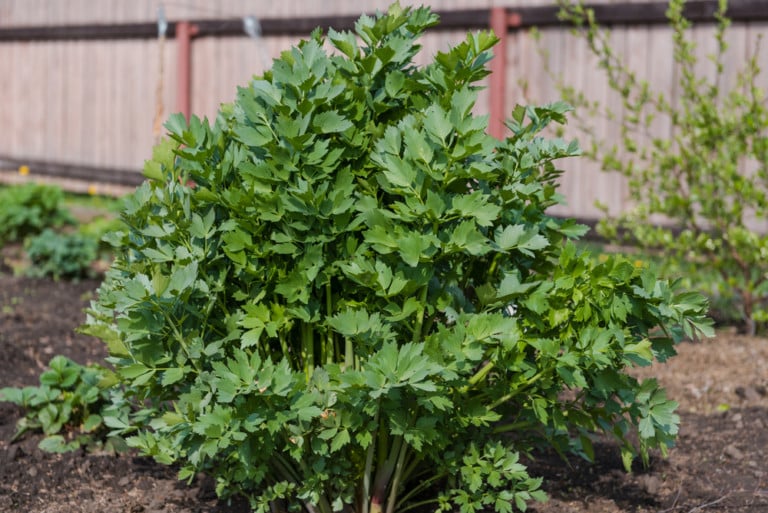
Lovage is a robust, herbaceous plant that can grow over six feet tall. In spring, it emerges from the soil in a basal rosette, gradually becoming bushier throughout the season. The plant features tripinnate green leaves that resemble parsley or celery, and like other members of the Apiaceae family, lovage produces multi-branched umbels of tiny yellow flowers in late spring, attracting beneficial insects.
With a reputation for generous harvests, every part of the lovage plant is edible. The leaves can enhance the flavor of soups, salads, sauces, and vegetables, while the stems and roots can be boiled or sautéed as a delicious veggie. The aromatic seeds can be used as a spice. Lovage offers a unique flavor that combines hints of celery and parsley.
Growing Conditions for Lovage
Hardiness
Lovage thrives in USDA zones 4 to 8.
Light Requirements
This herb flourishes in full sun to part shade and is one of the most shade-tolerant herbs.
Soil
Lovage prefers rich, loamy soil that retains moisture. Prepare your herb bed by incorporating compost before planting.
Watering
Ensure soil remains evenly moist and add mulch to help retain moisture.
Fertilizer
Boost lovage growth by applying compost tea several times during the growing season.
Companion Plants
Lovage pairs well with most garden plants and can enhance the flavors of nearby crops. Consider planting it alongside tubers like potatoes, yams, taro, or artichokes.
How to Grow Lovage
From Seed
Lovage has a long germination period and prefers cool conditions. To improve germination rates, soak the freshest seeds overnight before sowing. Start seeds indoors 10 to 12 weeks before your area’s last spring frost:
- Scatter a few seeds in a small pot filled with soil and cover lightly.
- Keep soil evenly moist; seeds should germinate in about two weeks.
- When seedlings reach about an inch in height, prick them out and transplant into individual pots.
- Harden off seedlings, then plant in the garden when they reach two inches tall.
From Starter Plant
Sourcing starter plants from a local nursery can save time and effort, as just one or two lovage plants often yield ample harvests. Transplant seedlings after the frost has passed and when evening temperatures exceed 40°F:
- Loosen soil around the planting site and mix in compost.
- Space plants 2 feet apart with 2 feet between rows.
- Water deeply until plants are well-established.
From Division
Lovage can also be propagated by division in spring. Carefully divide basal rosettes with a shovel, retaining a good amount of roots:
- Place the clump in a container, trying to keep its original soil.
- Add water before transporting it home.
- Plant in the garden and water thoroughly.
How to Harvest Lovage
Harvest lovage regularly throughout the growing season to encourage new growth. The best flavor is found in young, tender leaves before flowering:
- Cut hollow stalks close to the base of the plant.
- Allow lovage to flower to gather its flavorful seeds. Remove seed heads when dry and brown, then rub them to release the seeds.
- Dig up roots when your lovage plant is 2 to 3 years old. Clean and slice them into half-inch segments, allowing them to dry thoroughly. Roots should be peeled before use.
How to Preserve and Store Lovage
While lovage is best when used fresh, there are methods to enjoy it even outside of the growing season:
- Store lovage leaves and stems in a plastic bag in the fridge for a few extra days.
- For long-term storage, dry lovage sprigs upside down in a warm, dark place, or use an oven or dehydrator for quicker results. Check out our guide to drying herbs.
- Blanch and freeze lovage leaves by chopping them, placing them in ice cube trays, adding water, and freezing.
Common Issues
Lovage is generally a resilient plant, not frequently affected by diseases or fungi. However, it may experience leaf miners:
- These pests create squiggly, burrowing lines in leaves, but the impact is mostly cosmetic. Simply remove affected leaves to eliminate the maggots.
Where to Purchase Lovage Seeds
If you can’t find lovage seeds at your local garden store, consider purchasing them online from:
12 Delicious Lovage Recipes
With its unique flavor, lovage adds a fresh, aromatic twist to numerous dishes. As a prolific grower, you can enjoy it in a variety of culinary experiments. Use it as a substitute for celery or celery seed, but remember to use a bit less due to its robust flavor. Here are some delightful lovage recipes to try:
- Lovage Tea: Steep 1 teaspoon of finely chopped lovage leaves or shredded roots in a cup of boiling water for 5 minutes. Strain and enjoy hot or iced.
- Sautéed Lovage Stalks: Quickly sauté 1-inch lengths of lovage stalks in butter or olive oil, seasoning with salt and pepper for a simple side dish.
- Creamy Lovage Soup: This fresh soup combines green onions, yellow onions, russet potatoes, bone broth, and chopped lovage leaves. Check out the full recipe on Nourished Kitchen.
- Lovage and Lemon Roasted Chicken: Bake bone-in chicken on a bed of lovage leaves and thinly sliced lemons for a zesty dish. Get the recipe from Traditional Cooking School.
- Potato Salad with Lovage: Add fresh chopped lovage leaves to your potato salad for an intense flavor boost. Recipe available at BBC Food.
- Apple Lovage Chutney: Preserve your harvest with this chutney made from apples, lovage leaves, and spices. Find the recipe at RecipeLand.
- Tomato and Lovage Passata: Enhance tomato passata with lovage leaves for a savory sauce perfect for pasta and pizza. Recipe can be found at British Herb Kitchen.
- Candied Lovage: Create a sweet treat by repeatedly soaking lovage in syrup, then rolling in sugar. A great garnish for desserts. Get details from Honest Food.
- Lovage Salt: Combine finely chopped lovage leaves with sea salt for a unique seasoning, drying in the sun. Recipe found at The Grazer.
- Lovage Infused Vinegar: Infuse vinegar with lovage for a flavorful addition to dressings and soups.
- Lovage Cordial: Brew a stimulating liqueur with lovage seeds, sugar, and vodka for a delightful drink, featured by Mother Earth Living.
- Lovage Soda: Make a refreshing syrup from lovage leaves topped with fizzy water, using a lovage stem as a unique straw, thanks to Martha Stewart.
Conclusion
Lovage may not be a household name today, but its culinary potential and ease of growth make it a worthwhile addition to any herb garden. With its distinctive flavor and numerous uses, lovage is a versatile herb that can enhance a variety of dishes—from soups to beverages. Consider growing lovage and experimenting with it in your cooking for a unique and delicious twist!