Place This Under Orchids: 7 Tips for Year-Round Blooms Without Watering!
Place This Under Orchids: 7 Tips for Year-Round Blooms Without Watering
- Introduction
- Understanding Orchids
- Creating the Ideal Environment for Orchids
- Nurturing Orchids Naturally
- Common Mistakes to Avoid
- FAQ
- Conclusion
Introduction
Have you ever admired the vibrant blooms of orchids, only to find them wilting away in your home? These elegant plants, often seen as finicky, can bring joy and beauty, but they can also pose challenges for care. Many people struggle to keep their orchids alive, especially when it comes to watering them. If you want to enjoy continuous blossoms without the fuss of frequent watering, exploring some essential tips can unlock the secret to thriving orchids. Let’s delve into effective strategies that will help your orchids flourish beautifully year-round.
Understanding Orchids
Before talking about care techniques, it’s crucial to understand the unique needs of orchids. Their native habitats, often tropical, shape their growth requirements and survival strategies.
1. Orchid Species Varieties
There are numerous species of orchids, each with distinct requirements. While some prefer bright conditions, others thrive in lower light. Knowing your orchid type can be beneficial for its care.
2. Natural Habitat Characteristics
Orchids typically grow in humid, warm environments. Mimicking these conditions indoors can significantly enhance their health. Consider factors such as temperature, humidity, and light when planning their placement.
3. Nutrients for Blossom Production
Orchids obtain nutrients differently than regular houseplants. Understanding how they absorb nutrients will guide you in providing the necessary care for blooming and growth.
Creating the Ideal Environment for Orchids
Creating the perfect atmosphere for your orchids is vital for encouraging blooms without frequent watering.
1. Choosing the Right Potting Medium
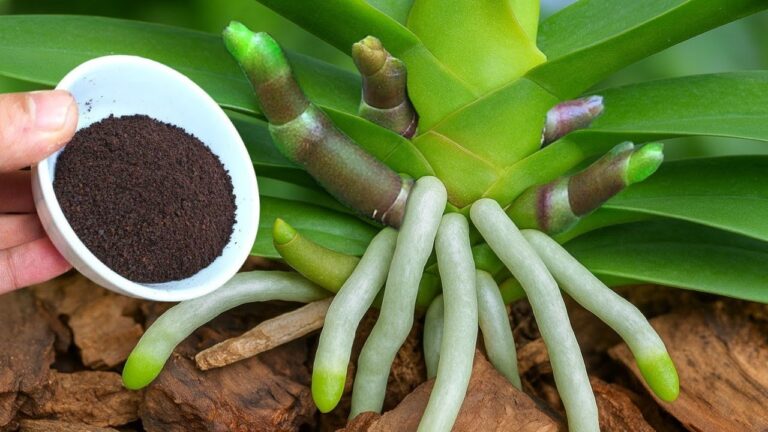
Using the right potting medium is essential. Consider using a mixture of bark, moss, and perlite to allow for proper drainage, which helps prevent root rot.
2. Optimal Lighting Conditions
Place your orchids in a location where they receive indirect sunlight. Too much direct light can harm the leaves, while too little can hinder blossoming. A north or east-facing window often works well.
3. Consistent Humidity Levels
Orchids thrive in a humidity level of around 40-70%. If your home is dry, you can increase humidity by placing a tray of water with pebbles beneath the pot or using a humidifier nearby. This method helps to maintain moisture without oversaturating the roots.
Nurturing Orchids Naturally
Using natural strategies will enhance your orchids’ resilience and blooming potential.
1. Fertilizing for Growth
Using a balanced orchid fertilizer every 2-3 weeks during the growing season can promote healthy foliage and blooming. Look for a formula that supports bloom-specific nutrients.
2. Water Management Techniques
Instead of traditional watering methods, you can try misting the leaves as needed, which can provide adequate moisture without oversaturating the roots. You can also consider using ice cubes to gently give moisture without the risk of overwatering.
3. Regular Inspection and Care
Regularly checking your orchids for pests or signs of distress will help ensure they remain healthy. Addressing any issues promptly can prevent larger problems.
Common Mistakes to Avoid
Even committed plant lovers can make mistakes. Here are some common pitfalls that can hinder your orchids’ growth.
1. Overwatering
One of the most significant mistakes is overwatering, which can lead to root rot. Instead, focus on moisture management for optimal health.
2. Ignoring Temperature Fluctuations
Orchids prefer consistent temperatures. Fluctuations can stress the plant and reduce blooming. Aim to keep them in a stable environment away from drafty windows or heating vents.
3. Lack of Patience
Orchids can take time to bloom, and rushing them may lead to care missteps. Patience is key as you implement care strategies.
FAQ
What do orchids need to bloom?
Orchids require the right light, humidity, and nutrients to bloom. A suitable potting medium and proper care will enhance blooming potential.
How often should I water orchids?
Watering frequency depends on the climate and potting medium. Generally, allowing the potting medium to dry slightly between waterings is advisable.
Can I use regular potting soil for orchids?
No, regular potting soil can retain too much moisture and suffocate the roots. A specialized orchid mix is necessary for healthy growth.
Conclusion
By understanding your orchids and providing the right environment, you can enjoy beautiful blooms year-round without excessive watering. What strategies have you found helpful for maintaining your orchids? Share your thoughts in the comments below.