Discover 7 Surprising Body Changes After You Stop Eating Bread!
7 Surprising Body Changes After You Stop Eating Bread
- Introduction
- Health Benefits of Cutting Bread
- Digestive Improvements After Stopping Bread
- Changes in Energy Levels
- Weight Loss and Body Composition
- Common Mistakes to Avoid
- FAQ
- Conclusion
Introduction
Have you ever noticed how your body feels after a meal filled with bread? The heaviness and bloating can be uncomfortable, leading you to wonder about the effects of bread on your overall health. Perhaps you’ve considered cutting it out altogether or just want to know what might happen if you do. Your body is unique, and the changes you experience can be surprising. Let’s explore the noticeable shifts that occur after you cut bread from your diet.
Health Benefits of Cutting Bread
By eliminating bread, many people notice various health benefits that can significantly improve daily living. Here are a few key advantages to consider:
- Reduced inflammation: Bread, especially refined types, can trigger inflammation in some individuals. Removing it may lead to less bloating and discomfort.
- Improved blood sugar levels: Cutting out bread can stabilize your blood sugar, helping you avoid those mid-afternoon crashes that many people face.
Enhancements in Nutritional Intake
When you stop eating bread, you might replace those calories with healthier options. This can lead to:
- Increased vegetable consumption: Fill your plate with colorful veggies for better nutrient absorption.
- More healthy fats: Incorporating avocados and nuts can provide essential nutrients previously missed.
Hydration Improvements
Sometimes, people confuse hunger for dehydration. By reducing starchy foods like bread, you might find it easier to stay hydrated, which can enhance your overall well-being.
Digestive Improvements After Stopping Bread
Many people report noticeable changes in their digestive health after cutting bread from their diet:
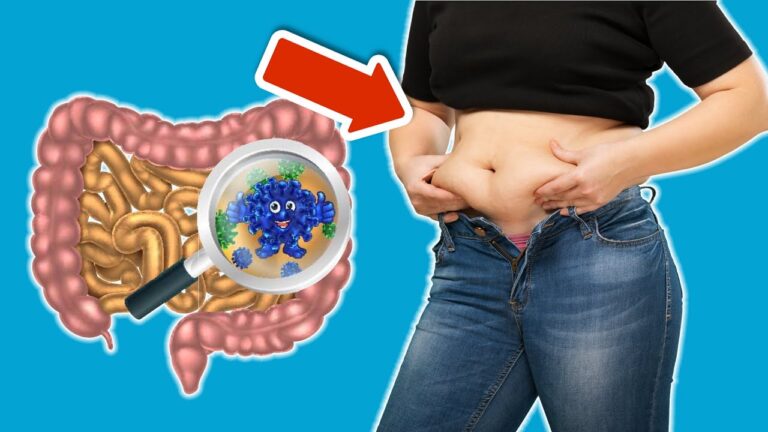
- Less bloating: Without bread’s gluten and refined carbs, your gut may feel lighter and less gassy.
- Regular bowel movements: The increase in fiber from whole foods may improve regularity.
Potential for Decreased Food Sensitivities
Some individuals find that their food sensitivities diminish when they eliminate bread. Common symptoms may include:
- Gas and discomfort
- Skin irritations
Enhanced Microbiome Health
A reduction in bread might promote a healthier gut microbiome, allowing beneficial bacteria to flourish. This can lead to improved absorption of nutrients and overall digestive harmony.
Changes in Energy Levels
After cutting out bread, many people experience significant shifts in their energy levels:
- Stable energy throughout the day: With fewer spikes in blood sugar, your energy levels may become more consistent.
- Improved mental clarity: Some individuals report better focus and mental clarity without the sluggishness associated with heavy meals.
Better Sleep Quality
Some notice that their sleep improves when they eliminate bread, possibly due to stabilized blood sugar levels. This can lead to:
- Fewer nighttime awakenings
- Greater restorative sleep
Enhanced Physical Activity
With improved energy levels, you may find yourself more inclined to engage in physical activity, benefiting both your body and mind.
Weight Loss and Body Composition
Many individuals cutting out bread notice changes in their weight and body composition:
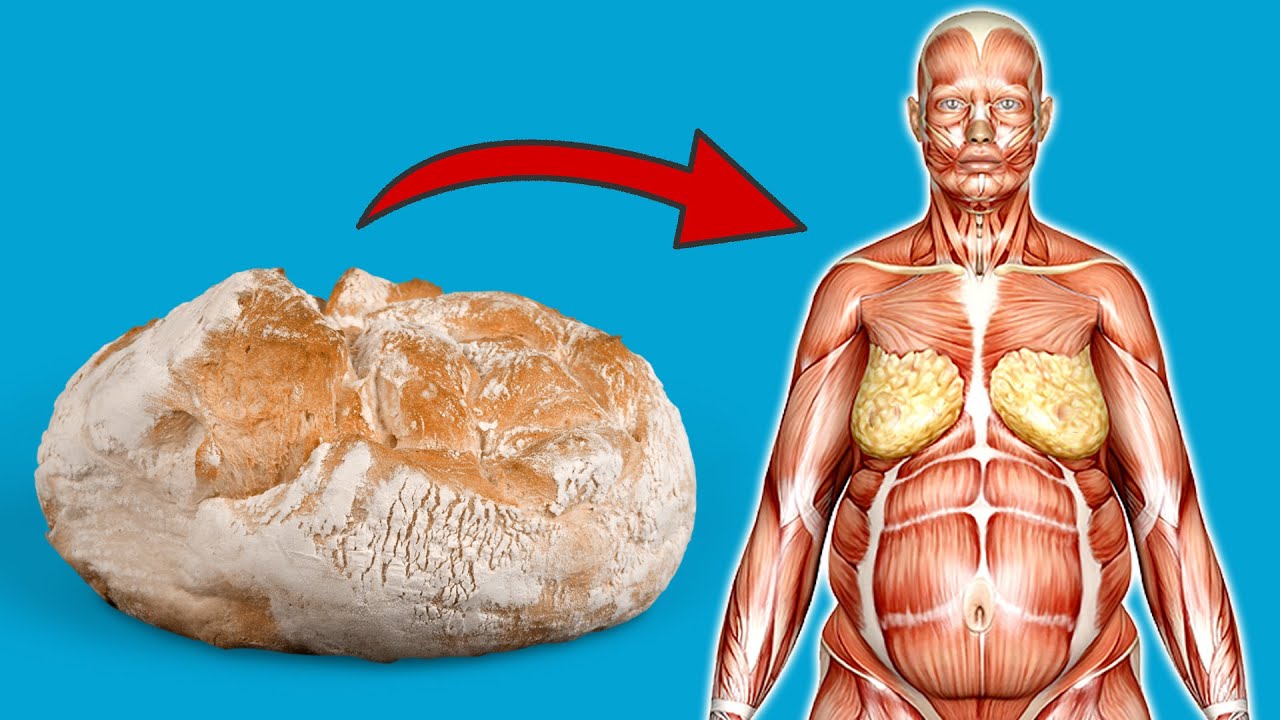
- Reduced calorie intake: By skipping bread, you’re likely consuming fewer processed calories, leading to weight loss.
- Enhanced fat-burning: Some find it easier to shift into fat-burning mode when reducing carb intake, resulting in weight loss.
Sustainable Dietary Changes
Eliminating bread can lead to more sustainable eating habits. Instead of reaching for quick, processed items, you’ll likely seek healthier, whole alternatives. This can foster long-term healthy eating patterns.
Customized Meal Options
As you replace bread with various food options, you can personalize your meals to suit your tastes and nutritional needs. Consider incorporating:
- Salads packed with protein
- Veggie-based wraps
Common Mistakes to Avoid
Making the switch away from bread can be beneficial, but there are some common pitfalls you should be aware of:
- Reverting to unhealthy snacks: Replacing bread with processed snacks can undo your benefits.
- Neglecting fiber intake: Ensure you’re still getting enough fiber from other sources to maintain digestive health.
- Overeating other carbohydrates: Avoid compensating with other carbs like pasta or rice; balance is essential.
FAQ
What are the immediate effects of cutting out bread?
Right after eliminating bread, you might feel less bloated and have more stable energy levels. Some people notice changes within a week or two.
Will I experience cravings after stopping bread?
It’s common to experience cravings initially, especially if bread was a staple in your diet. Over time, these cravings usually diminish as your body adjusts.
Can I still enjoy other carb sources?
Yes, you can still consume other sources of carbohydrates, such as fruits, vegetables, and whole grains, as long as they fit into your dietary needs.
Conclusion
Stopping bread can lead to various health improvements, from better digestion to enhanced energy levels. Being aware of these potential changes can better prepare you for your journey. Have you experienced any changes after cutting out bread? Share your insights in the comments below!