Avoid These 4 Foods for Stomach Ulcers: Your Health Depends on It!
Avoid These 4 Foods for Stomach Ulcers: Your Health Depends on It!
Foods to Avoid
If you’ve ever experienced stomach pain or discomfort, you know how it can disrupt your daily life. One significant contributor to such discomfort can be the foods you consume. Certain types of food can irritate your stomach lining, exacerbating the symptoms of stomach ulcers. Understanding which foods to steer clear of can help you manage your health more effectively. Let’s explore some of these culprits in detail.
1. Spicy Foods
Spicy foods can be tempting, but they often cause irritation. High levels of capsaicin and spices can exacerbate ulcer symptoms. Consider replacing spicy dishes with milder options.
2. Citrus Fruits
While citrus fruits like oranges and lemons are generally healthy, they can increase acidity in the stomach. This heightened acidity may worsen your ulcer situation. Try incorporating lower-acid fruits like bananas and melons into your diet instead.
3. Fried and Fatty Foods
Foods that are high in fat require more time for digestion, resulting in the secretion of more stomach acid. This can irritate ulcers, leading to increased pain. Grilling or baking are good alternatives to frying.
4. Caffeinated Beverages
Drinks like coffee and certain teas can stimulate acid production in the stomach. This increase can aggravate ulcer symptoms. Opt for herbal teas or decaffeinated versions to lessen these effects.
Understanding Stomach Ulcers
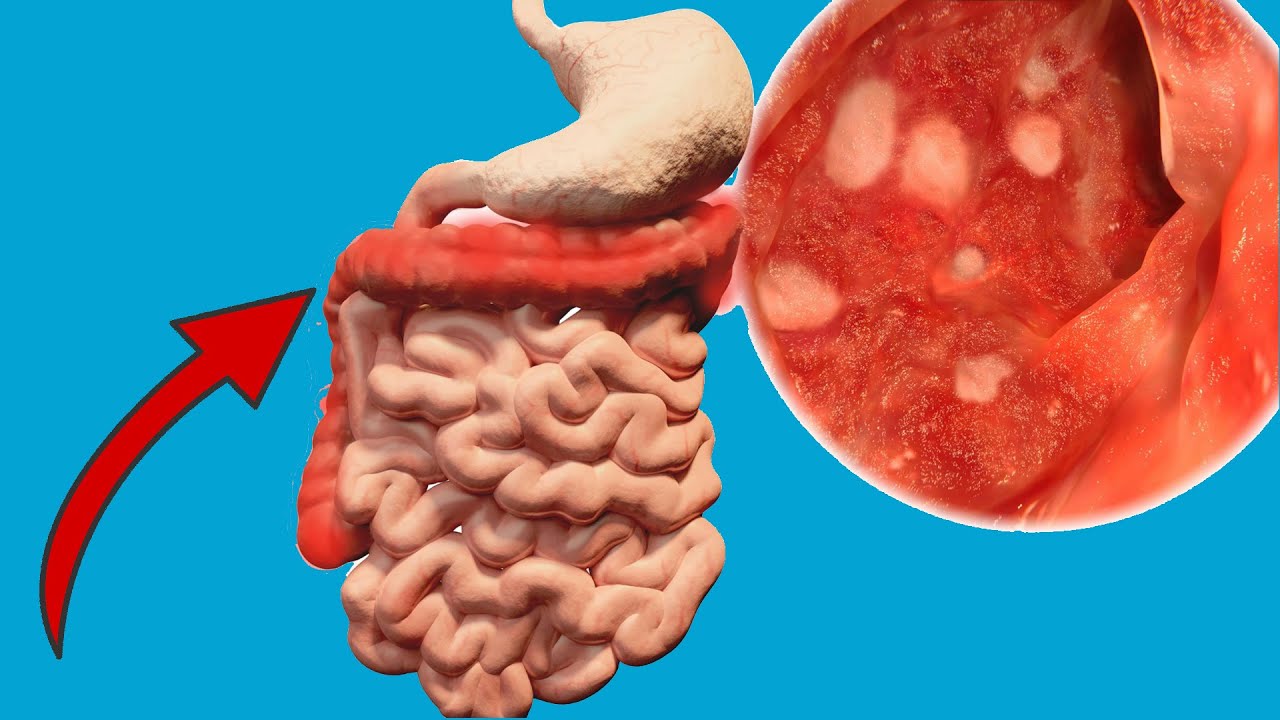
Gaining insight into stomach ulcers can empower you to make better dietary choices. An ulcer is an open sore on the stomach lining, often caused by an imbalance between stomach acid and the protective lining. This section will go over common causes and symptoms associated with ulcers.
Common Causes of Stomach Ulcers
- Helicobacter pylori infection: This bacterium is a primary cause of ulcers.
- Long-term use of NSAIDs: Medications like ibuprofen can aggravate the stomach lining.
- Excessive alcohol consumption: Alcohol can erode the stomach lining over time.
Recognizing Symptoms
Being aware of the symptoms can help you identify potential issues early on. Common symptoms of stomach ulcers include:
- Burning stomach pain
- Feeling full after eating small amounts
- Unexplained weight loss
Long-term Effects
If left untreated, stomach ulcers can lead to serious complications such as internal bleeding or perforation of the stomach lining. Seeking medical advice is essential if you suspect you have ulcers.
Common Mistakes to Avoid
Managing your diet when dealing with stomach ulcers can be tricky. Many people make unintentional mistakes that can hinder their healing process. Below are some common mistakes you should steer clear of.
1. Ignoring Symptoms
Not paying attention to worsening symptoms can lead to complications. If you notice increased pain or other troubling symptoms, consult a healthcare professional.
2. Choosing Non-ideal Alternatives
Simply replacing one irritant with another without consideration can be counterproductive. Ensure that any substitutes align with your needs.
3. Skipping Meals
Some people think that fasting can help with ulcer pain. However, skipping meals can lead to increased acidity and worsen your symptoms.
4. Overlooking Food Labels
Not checking food labels means you may consume hidden irritants, such as excessive sodium or sugar, which can aggravate your condition.
FAQ
What foods should I eat to help heal stomach ulcers?
Opt for foods that are gentle on your stomach, such as whole grains, lean proteins, and non-citrus fruits.
Can stress worsen stomach ulcers?
Yes, while stress alone doesn’t cause ulcers, it can exacerbate symptoms and slow down the healing process.
How long does it take for stomach ulcers to heal?
With proper treatment, most stomach ulcers can heal within a few weeks. However, recovery time varies by individual.
Conclusion
Being aware of which foods to avoid can significantly improve your well-being and help manage the discomfort caused by stomach ulcers. By steering clear of spicy, citrus, fatty, and caffeinated foods, you can make more informed choices for your health. Have you experienced changes in your symptoms based on your diet? Feel free to share your experiences in the comments.