10 Essential Tips for Growing Nutritious Vegetables Every Home Cook Should Try!
10 Essential Tips for Growing Nutritious Vegetables Every Home Cook Should Try
- Introduction
- Choosing the Right Vegetables
- Preparing the Soil
- Watering Methods
- Pest Management
- Common Mistakes to Avoid
- FAQ
- Conclusion
Introduction
Picture this: you’ve spent a long day cooking a delicious meal for your family, only to realize that the vegetables in your dish weren’t as fresh or nutritious as you’d hoped. You wonder how you can ensure that every meal you prepare bursts with flavor and nutritional value. Growing your own vegetables might seem daunting, but with the right tips, you can enjoy abundant harvests right from your garden. Let’s explore how you can cultivate nutritious vegetables that elevate your home cooking.
Choosing the Right Vegetables
Selecting the right vegetables is crucial for a flourishing garden. By focusing on varieties that thrive in your climate and meet your culinary needs, you set the stage for success.
1. Consider Your Climate
Begin by assessing your local climate. Some vegetables prefer cooler temperatures while others thrive in warmth. Research which vegetables grow best in your area and choose accordingly.
2. Prioritize Nutritional Value
Select vegetables that not only taste great but also pack a nutritional punch. Leafy greens, bell peppers, and tomatoes are excellent choices to maximize both flavor and health benefits.
3. Grow What You Love
Finally, focus on vegetables you and your family enjoy eating. This ensures that your efforts will be rewarded with delicious meals. Create a list of favorites and prioritize those in your garden plan.
Preparing the Soil
The right soil preparation can significantly impact your vegetable garden’s success. Healthy soil fosters strong, nutritious plants.
1. Test Your Soil
Start by testing your soil to determine its pH and nutrient levels. This will guide you in making necessary adjustments for optimal growth.
2. Amend the Soil
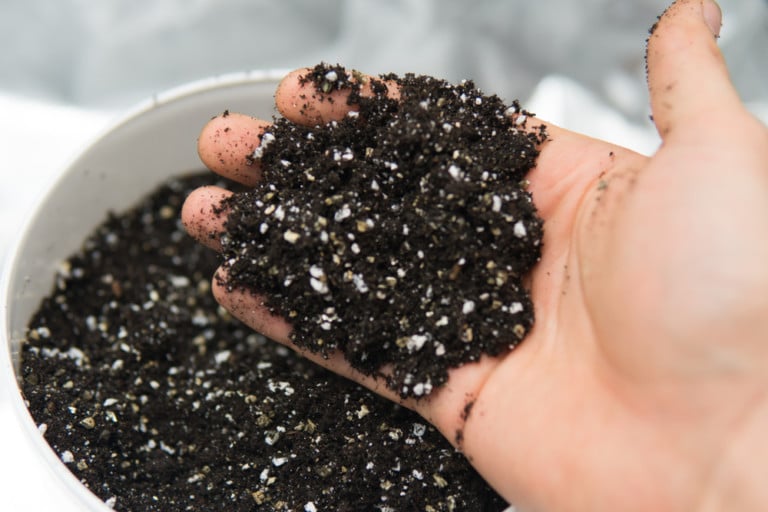
Add organic matter like compost or well-rotted manure to enrich your soil. This boosts its structure and nutritional content, creating ideal conditions for vegetable growth.
3. Tilling and Aeration
Loosen the soil by tilling or aerating it. This not only improves drainage but also allows roots to penetrate more easily, leading to healthier plants.
Watering Methods
Proper watering is essential for maintaining healthy vegetables. Understanding effective techniques can significantly enhance your garden’s productivity.
1. Water Deeply and Infrequently
It’s better to water deeply less frequently than to provide light, shallow watering daily. This encourages roots to grow deeper and become more resilient.
2. Use Mulch
Applying a layer of organic mulch can help retain moisture in the soil, reducing the need for frequent watering. It also suppresses weeds, which can compete with your vegetables.
3. Time Your Watering
Water your garden in the early morning or late afternoon to minimize evaporation and ensure that your plants can absorb the moisture effectively.
Pest Management
Keeping your vegetable garden free from pests is vital for a successful harvest. Here are a few strategies to protect your plants.
1. Encourage Beneficial Insects
Ladybugs and lacewings can help control aphid populations. Plant flowers like marigolds or dill to attract these beneficial insects to your garden.
2. Use Organic Pest Control Methods
Consider using organic options like neem oil or insecticidal soap. These methods are effective against common pests while remaining safe for the environment.
3. Implement Crop Rotation
Rotate your crops each year to prevent pest and disease buildup in the soil. This practice can enhance soil health and improve vegetable yields.
Common Mistakes to Avoid
Even the most seasoned gardeners can fall into traps that hinder crop production. Here are some common mistakes to watch out for.
1. Overcrowding Plants
Planting too many vegetables in a small space can lead to competition for nutrients and sunlight, resulting in weak plants. Always follow spacing recommendations.
2. Ignoring Weeds
Weeds can quickly take over your garden, competing for resources with your vegetables. Regularly remove weeds to maintain a healthy growing environment.
3. Neglecting to Monitor Plant Health
Keep a close eye on your plants for any signs of distress or disease. Timely intervention can prevent small problems from becoming major issues.
FAQ
What types of vegetables are easiest to grow for beginners?
Beginner-friendly options include radishes, lettuce, and tomatoes. These vegetables grow quickly and typically require minimal maintenance, making them ideal for new gardeners.
How often should I water my vegetable garden?
Most vegetable gardens benefit from about an inch of water per week. However, monitor your plants and adjust based on weather conditions and soil moisture levels.
What can I do if my vegetables are not growing well?
Evaluate factors such as soil quality, sunlight, and watering practices. Address any deficiencies and consider consulting local gardening resources for guidance.
Conclusion
By following these essential tips, you can grow nutritious vegetables that enrich your meals. Start small, and you’ll soon experience the joys of garden-fresh produce. What vegetable are you most excited to try growing this season?