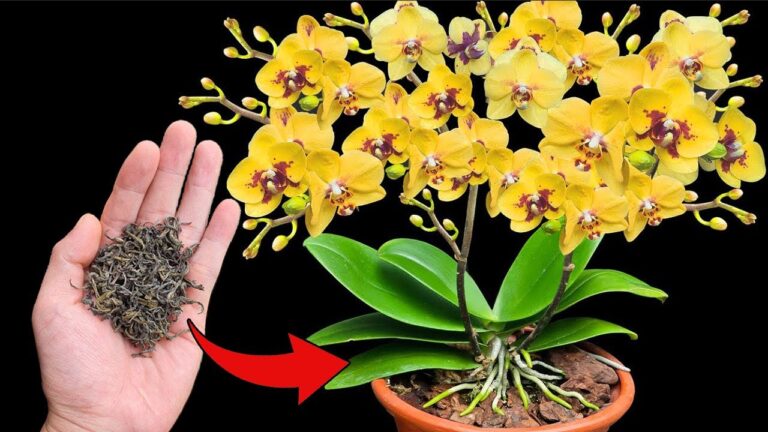
Unlock 100 Orchid Blooms with This 1 Simple Tip for Thriving Roots and Branches!
Unlock 100 Orchid Blooms with This Simple Tip for Thriving Roots and Branches
- Introduction
- Understanding Orchid Needs
- Nurturing the Roots
- Optimizing Growing Conditions
- Common Mistakes
- FAQ
- Conclusion
Introduction
Many orchid enthusiasts find themselves struggling to encourage their plants to bloom, feeling like they’re doing everything right yet not seeing results. You may have noticed that despite providing adequate light and water, your orchids are still not flourishing as much as you’d hoped. This can be frustrating, but it often comes down to a critical factor that many overlook—root health. Understanding how to care for roots can transform your orchids from a few blooms to a stunning display of 100 flowers. Read on to uncover the essential tip that can lead to vibrant and plentiful blooms for your orchids.
Understanding Orchid Needs
Orchids are a diverse group of plants, and understanding their basic needs is crucial for successful blooming. Each type of orchid has specific requirements, but there are general principles that apply to most.
Typical Environmental Conditions
- Light: Orchids generally thrive in bright, indirect sunlight. Direct sunlight can scorch leaves, while too little light can inhibit blooming.
- Humidity: These plants prefer high humidity levels, ideally between 40% to 70%. Misting them or using a humidity tray can help maintain these levels.
- Temperature: Most orchids do well in temperatures ranging from 65°F to 75°F during the day and slightly cooler at night.
Understanding Orchid Roots
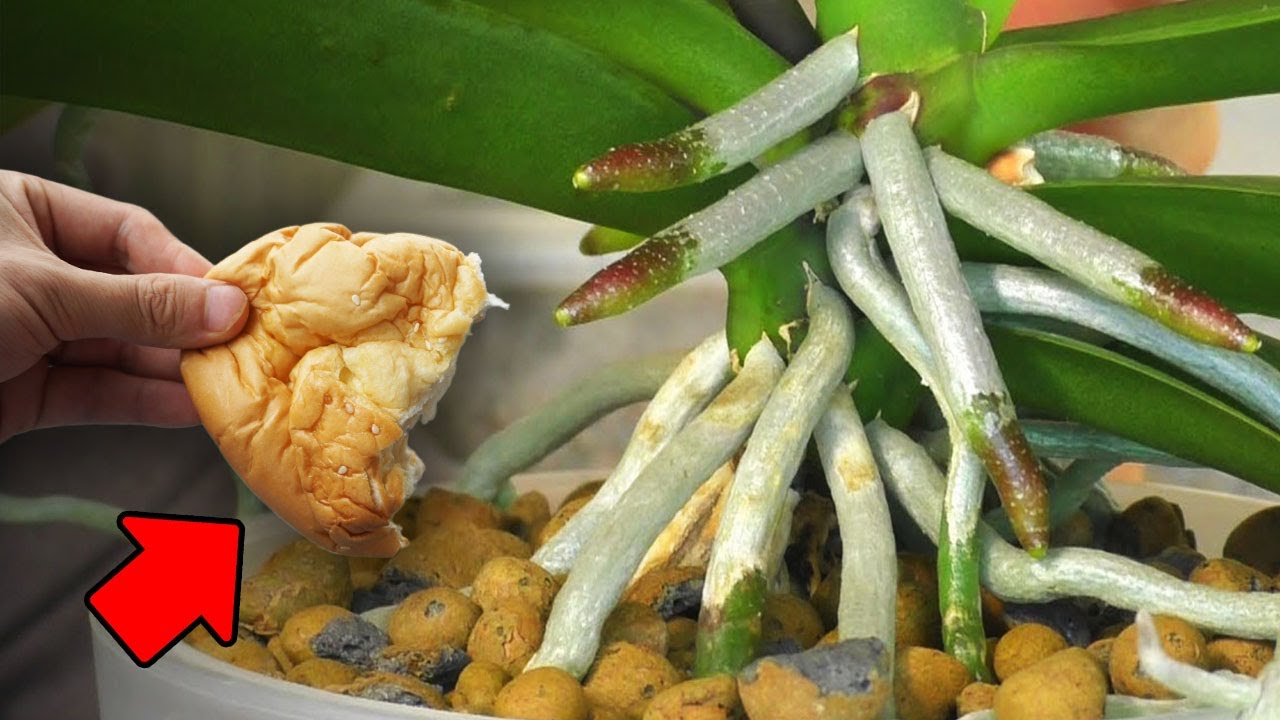
The roots of your orchids are vital for nutrient absorption and overall health. Healthy roots are typically firm and green, while unhealthy roots can be brown and mushy. Getting to know your plant’s roots can directly influence its blooming potential.
Nurturing the Roots
Providing optimal care for your orchid roots is essential for promoting blooming. Here’s how you can ensure they stay healthy and strong.
Choosing the Right Potting Medium
The choice of potting medium can significantly affect root health. Use a special orchid mix that allows for maximum airflow. Some options include:
- Bark chips
- Sphagnum moss
- Perlite
Watering Techniques
- Check the moisture level: Before watering, ensure the potting medium is dry. Overwatering can lead to root rot.
- Water thoroughly: When you do water, ensure it’s done thoroughly, allowing excess water to drain out.
- Frequency: Generally, watering every 1-2 weeks works well, but always adjust based on your plant’s specific needs.
Fertilizing for Growth
Providing the right nutrients can encourage healthy roots. Use a balanced orchid fertilizer diluted to half strength. Feed your orchids every two weeks during the growing season and less during the dormant season.
Optimizing Growing Conditions
Certain environmental factors play a significant role in root and overall plant health, thus influencing blooming.
Light Placement
If your orchids are not getting sufficient light, consider moving them closer to a window but beware of direct sunlight during peak hours. You might also rotate your pots periodically to ensure even light exposure.
Humidity Solutions
Maintaining humidity can be tricky but is vital for your orchids. Here are practical tips to enhance humidity:
- Place a shallow tray filled with water and pebbles beneath your pots.
- Group plants together to create a microclimate.
- Use a humidifier during dry seasons.
Temperature Management
Be mindful of abrupt changes in temperature. Orchids thrive in stable conditions, so keep them away from drafty windows or heating vents.
Common Mistakes
When caring for orchids, many enthusiasts make preventable mistakes that can hinder blooming. Here are some to watch out for:
- Overwatering: This is a leading cause of root rot. Always wait until the potting medium is dry before watering.
- Ignoring repotting needs: Orchids should be repotted every 1-2 years. Old medium can decompose and suffocate roots.
- Inadequate light: Insufficient lighting can prevent blooming, so ensure your orchids are in a well-lit spot.
- Neglecting temperature extremes: Rapid temperature changes can stress your orchids, leading to poor health.
- Using the wrong pot: Ensure your pot has drainage holes to prevent standing water that can harm roots.
FAQ
What is the best way to care for orchid roots?
The best way to care for orchid roots is by using the right potting medium, watering only when needed, and ensuring proper drainage.
How often should I repot my orchids?
Orchids typically need to be repotted every 1 to 2 years to refresh the potting medium and promote healthy root growth.
Can I use regular fertilizer on orchids?
Regular fertilizers may not provide the balanced nutrients orchids need. It’s best to use a formulated orchid fertilizer to ensure optimal growth.
Conclusion
By nurturing your orchid roots and tailoring the growing conditions, you can unlock the full potential of your orchids. Have you tried any special methods for encouraging blooms? Share your experience in the comments below!