5 Secrets to Help Your Orchid Root Rapidly and Thrive!
5 Secrets for Helping Your Orchid Roots Thrive
- Introduction
- Understanding Orchid Roots
- Optimal Growing Conditions
- Caring for Your Orchids
- Common Mistakes to Avoid
- FAQ
- Conclusion
Introduction
If you’ve ever noticed your orchid showing signs of distress—like wilting leaves or slow growth—understanding the importance of helping your orchid roots thrive can be the key to revitalizing your plant. Many orchid growers face challenges with root health, and it can be disheartening when your efforts don’t yield results. This guide presents essential tips to nourish your orchids from the ground up, ensuring they flourish and showcase their beautiful blooms. Read on to discover how to make a significant difference in your orchid’s health.
Understanding Orchid Roots
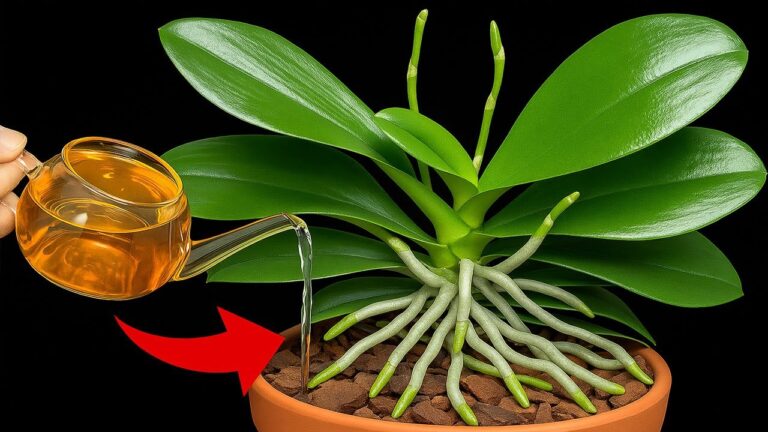
Before you can effectively care for your orchids, it’s vital to understand their unique root systems. Orchid roots serve not only as anchors but also as vital components for nutrient uptake and moisture absorption.
1. Structure of Orchid Roots
Orchid roots are typically fleshy and often covered with a spongy layer known as velamen, which helps absorb moisture. Recognizing these characteristics will assist you in identifying any issues.
2. Importance of Healthy Roots
Healthy roots are essential for overall plant health. They enable your orchid to access nutrients and water efficiently, crucial for the vibrant growth you desire.
3. Signs of Root Problems
- Wrinkled or shriveled roots signal dehydration.
- Black or mushy roots indicate rot and serious issues.
- Healthy roots should be firm and green or white.
Optimal Growing Conditions
To help your orchid roots thrive, replicating their natural habitat conditions is crucial. This involves correct lighting, temperature, and humidity.
1. Lighting Needs
Orchids thrive in bright, indirect light. A south or east-facing window is ideal, but be cautious of direct sunlight, which can scorch the leaves.
2. Humidity Levels
Orchids prefer humidity levels between 50% and 70%. Using a humidity tray or a room humidifier can effectively maintain these levels, supporting root development.
3. Temperature Control
Pay attention to temperature fluctuations. Most orchids prefer daytime temperatures between 70°F to 85°F and nighttime between 60°F to 70°F.
Caring for Your Orchids
Consistent care routines greatly influence the health of your orchid roots. Here are essential practices to adopt:
1. Watering Techniques
- Check the moisture level before watering; allow the top inch of the potting medium to dry out.
- Water your orchid thoroughly, ensuring excess water drains from the bottom.
- Avoid letting your orchid sit in water to prevent root rot.
2. Fertilization Frequency
Fertilizing your orchids every two to four weeks during the growing season encourages healthy root development. A balanced, water-soluble fertilizer diluted to half strength works well.
3. Repotting Considerations
Orchids should typically be repotted every one to two years to refresh the growing medium. Choose a pot that provides good drainage and is slightly larger than the previous one.
Common Mistakes to Avoid
Avoiding common mistakes can enhance your success in nurturing your orchids. Here are some pitfalls to watch out for:
- Overwatering is the most frequent issue; always check moisture before watering.
- Insufficient light can stunt growth; ensure your orchids receive adequate brightness.
- Using the wrong potting medium can restrict root health; opt for materials that promote aeration, such as bark or sphagnum moss.
- Ignoring humidity levels can lead to dehydration; maintain the right humidity with trays or humidifiers.
- Neglecting pest control can harm the roots; inspect regularly and treat any infestations promptly.
FAQ
What type of potting mix is best for orchids? A mix that includes bark, sphagnum moss, and some perlite provides excellent aeration and drainage for orchid roots.
How can I tell if my orchid roots are healthy? Healthy roots are typically firm, green or white, and not shriveled or mushy. They should appear robust and plump.
When is the best time to repot my orchids? The ideal time to repot orchids is after blooming, during their growth phase, typically in spring or early summer.
Conclusion
By understanding the key elements of helping your orchid roots thrive, you can foster a healthier plant that rewards you with stunning blooms. What tips have you found effective in nurturing your orchids? Share your thoughts in the comments below.