Grow Celery with 3 Easy Tips: Forget Plastic and Well Water!
Grow Celery with 3 Easy Tips: Forget Plastic and Well Water!
- Introduction
- Essential Tips for Growing Celery
- Ideal Soil Conditions for Celery
- Common Mistakes to Avoid
- FAQ
- Conclusion
Introduction
Picture this: you walk through your garden, admiring the vibrant greens, but you notice your celery isn’t thriving as you hoped. Instead of lush, crunchy stalks, you see pale, limp plants. Many gardeners encounter similar challenges, often stemming from improper growing practices. To help you cultivate a successful celery crop, let’s explore effective tips that go beyond traditional methods and that focus on sustainability.
Essential Tips for Growing Celery
Celery is a rewarding plant to grow when you know the right techniques. Here are three straightforward tips to make your celery gardening experience fruitful.
1. Choose the Right Variety
Selecting the appropriate celery variety is crucial for successful growth. Choose between:
- ‘Pascal’: A popular, versatile variety known for its robust flavor.
- ‘Giant Red’: Offers a unique color and slightly different taste, great for salads.
- ‘Golden Boy’: An early-maturing variety with a sweeter flavor.
2. Start Seeds Indoors
Starting your celery seeds indoors allows for better control over growing conditions:
- Prepare seed trays with a nutrient-rich seed-starting mix.
- Sow seeds shallowly, as they require light for germination.
- Keep them in a warm area (around 70°F) and ensure they have sufficient moisture.
3. Harden Off Your Seedlings
Before moving your celery to the outdoor garden, it’s vital to acclimate them:
- Introduce them to outdoor conditions gradually over about a week.
- Start with a few hours of sunlight each day, gradually increasing exposure.
- Monitor for any signs of stress, such as wilting or discolored leaves.
Ideal Soil Conditions for Celery
Celery thrives best in specific soil conditions. Ensuring your soil is perfect will provide the nutrients necessary for robust growth.
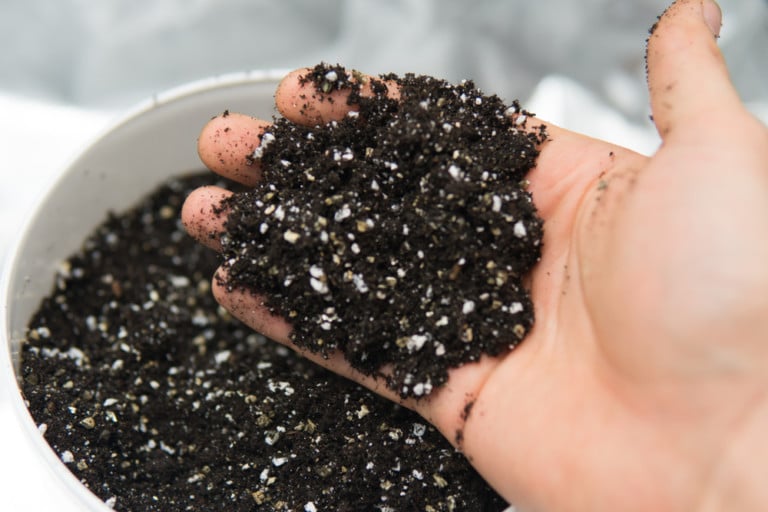
1. Nutrient-Rich Soil
To optimize your soil:
- Incorporate plenty of organic matter, such as compost, to improve fertility.
- Maintain a balanced pH between 6.0 and 7.0 to support nutrient uptake.
2. Consistent Moisture Level
Celery needs consistent moisture to develop crunchy stalks:
- Avoid let the soil dry out completely; check moisture regularly.
- Water deeply once or twice a week, depending on weather conditions.
3. Protection from Pests
Keep pests at bay by using natural methods:
- Introduce beneficial insects like ladybugs to control aphids.
- Use diatomaceous earth around plants to deter slugs and snails.
Common Mistakes to Avoid
Even seasoned gardeners can make common mistakes when growing celery. Here are a few to watch out for:
1. Overcrowding Plants
Ensure there’s enough space for each celery plant to thrive. Crowded plants can result in poor growth and increased disease risk.
2. Neglecting Soil Health
Failing to amend your soil with organic matter can lead to nutrient deficiencies. Make soil health a priority for successful growth.
3. Inconsistent Watering
Celery requires steady moisture. Letting the soil dry out can lead to bitter tastes and tough texture.
FAQ
What is the best time to plant celery?
The ideal time to plant celery is in early spring, around two to three weeks before the last frost, or in late summer for a fall crop.
How long does celery take to grow?
Celery typically takes about 90 to 120 days to reach maturity, depending on the variety and growing conditions.
Can I grow celery in containers?
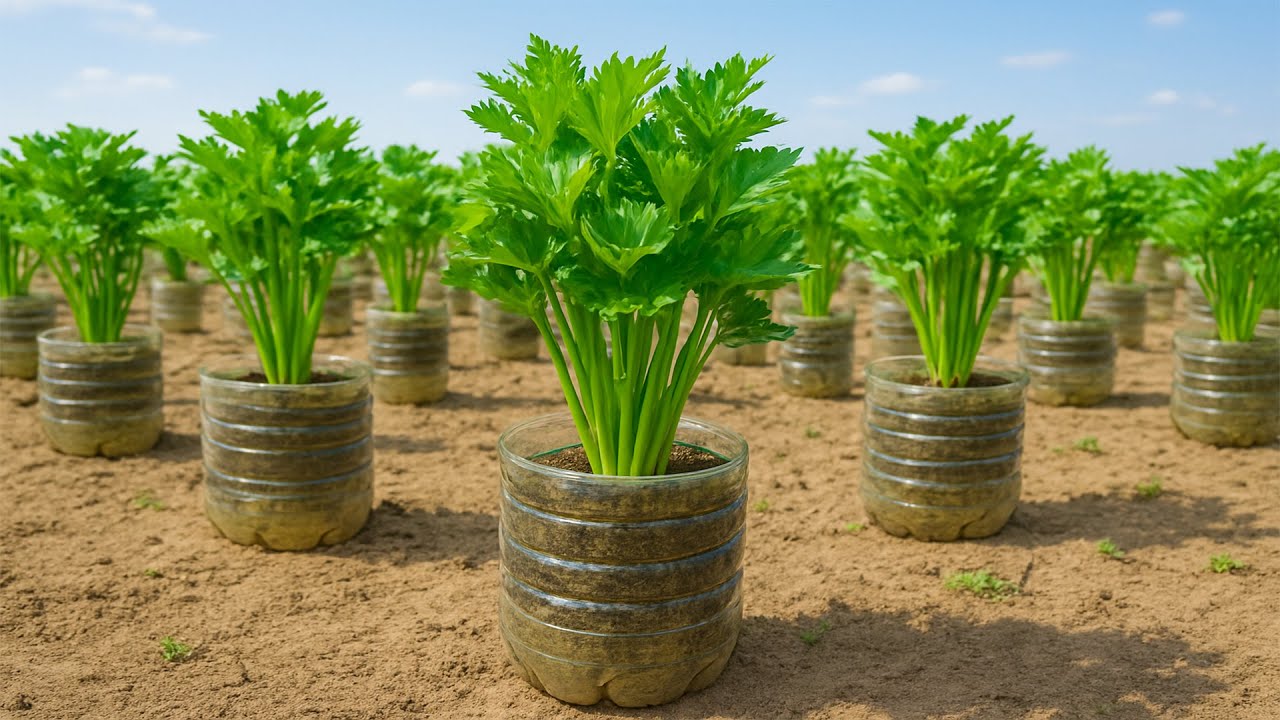
Yes, celery can thrive in containers. Ensure the pot is deep enough to accommodate the roots, ideally at least 12 inches deep.
Conclusion
With the right tips and conditions, you can enjoy a fruitful celery harvest that adds flavor to your meals. Have you tried growing celery before? Share your experiences or any struggles you faced in the comments below!