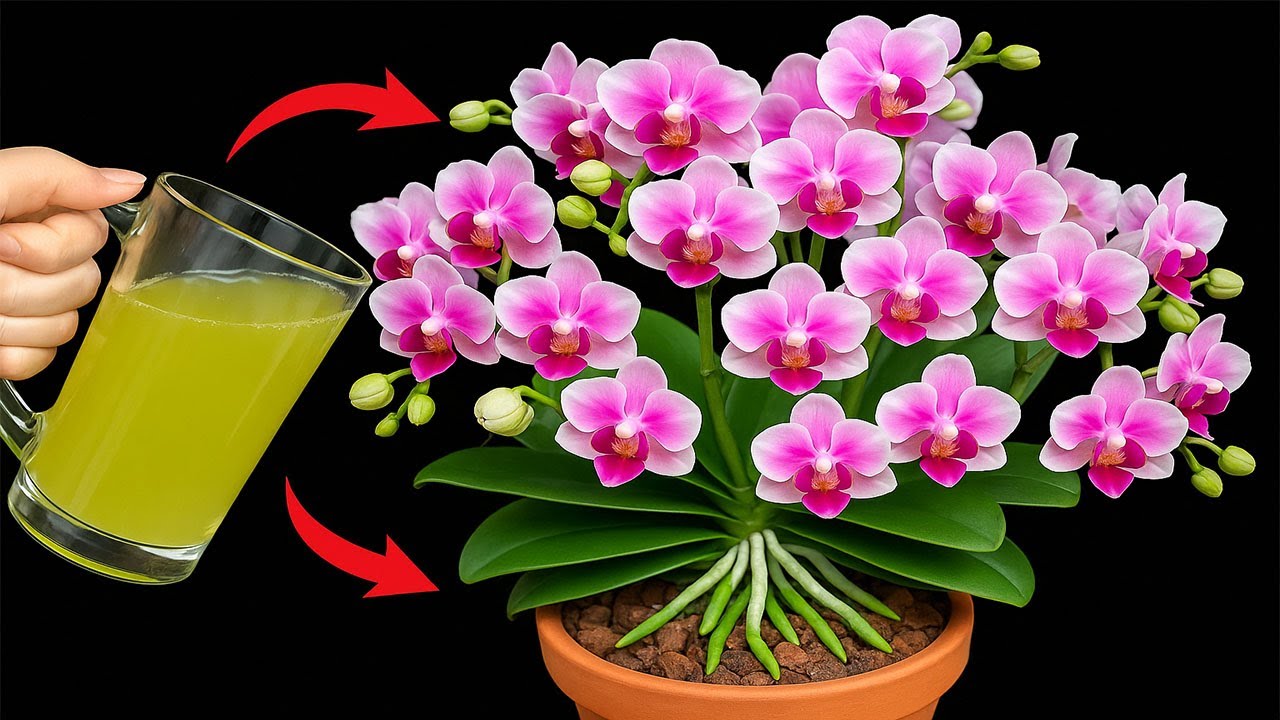
Water This Secret to Make Your Orchid Bloom Year-Round in 3 Easy Steps!
Water: The Secret to Making Your Orchid Bloom Year-Round
- Introduction
- Understanding Orchids and Their Needs
- Watering Techniques for Healthy Blooms
- Common Mistakes in Orchid Care
- FAQ
Introduction
Picture this: you’ve nurtured your orchid for months, but it hasn’t produced any blooms. Despite your care and attention, the flowers simply won’t appear. This common scenario can be discouraging for any plant lover. Understanding the importance of proper watering techniques can be a game changer for your beloved orchid. Continue reading to discover how to ensure your orchid blooms consistently throughout the year.
Understanding Orchids and Their Needs
Orchids are unique flowering plants that require specific care to thrive. You may already know that overwatering is a common issue. However, they also have certain environmental preferences that can impact their blooming. Here’s what you should keep in mind:
Natural Habitat
Most orchids are epiphytic, meaning they grow on trees rather than in the ground. They thrive in environments that simulate tropical conditions. Understanding their natural habitat can help you recreate a suitable home for them.
Light Requirements
Light plays a critical role in orchid health. Place your orchid in an area that receives bright, indirect sunlight. Too much harsh sunlight can scorch the leaves, while too little can hinder blooming.
Humidity and Temperature
Orchids prefer humid environments, ideally between 40-70% humidity. Regularly misting your plants or placing a humidity tray can enhance their environment. Maintaining temperatures of 65-75°F (18-24°C) during the day and slightly cooler at night is beneficial.
Watering Techniques for Healthy Blooms
Watering your orchid correctly is vital for encouraging blooms. Here are practical steps to ensure you water effectively:
Step 1: Check the Potting Medium
Before watering, check the moisture level of the potting medium. Orchids thrive in a well-draining mix, often containing bark, charcoal, or sphagnum moss. If the top inch feels dry, it’s time to water.
Step 2: Watering Method
Use the soaking method for watering:
- Place your orchid in the sink or bathtub.
- Slowly pour room temperature water over the pot to saturate the medium, allowing excess water to drain away.
- Return your orchid to its spot only after the excess water has fully drained.
Step 3: Frequency of Watering
Typically, orchids require watering every 1-2 weeks, depending on humidity levels and temperature. Consider the season as well; in winter, they may need less frequent watering.
Common Mistakes in Orchid Care
Avoiding common mistakes can help you achieve the vibrant blooms you desire. Here are some pitfalls to watch out for:
- Overwatering: One of the biggest mistakes is overwatering. Make sure the potting medium dries out slightly between waterings.
- Ignoring Temperature Changes: Sudden temperature drops or increases can stress orchids, impacting their ability to bloom.
- Poor Pot Selection: Ensure your orchid is in a pot that allows for adequate drainage; standing water can lead to root rot.
- Neglecting Fertilization: Use a balanced, water-soluble fertilizer every 4-6 weeks during the growing season to encourage blooming.
FAQ
How often should I water my orchid? Orchids typically need watering every 1-2 weeks, depending on their environment.
What type of light is best for orchids? Bright, indirect sunlight is ideal for orchids to promote healthy growth and blooming.
Can I use regular potting soil for my orchids? Regular potting soil isn’t recommended. Orchids thrive in a well-draining potting medium designed specifically for their needs.
Conclusion
Understanding proper watering techniques is essential for ensuring your orchid blooms year-round. By paying attention to your plant’s specific needs, you can enjoy beautiful flowers consistently. What tips have you found useful for caring for your orchids? Share your experiences in the comments!