Living Off the Grid: The Surprising Reason Behind This Tiny Home
Living Off the Grid: The Surprising Reason Behind This Tiny Home
In 2023, can one truly live without electricity? Let’s explore the insights shared by a woman who dared to question this lifestyle.
The Ubiquity of Electricity
Electricity has become a staple in our lives, utilized by nearly everyone across the globe. Only a few remote and economically disadvantaged regions lack this essential resource. It allows us to fulfill our daily needs—be it at home or elsewhere.
With electricity, we can heat water, maintain a comfortable indoor temperature, cook meals, clean our homes, watch television, and engage in many tasks we now consider routine. When the power goes out, we often feel lost and unable to perform even simple activities, as turning on a light becomes impossible without electricity.
Is Living Without Electricity Possible?
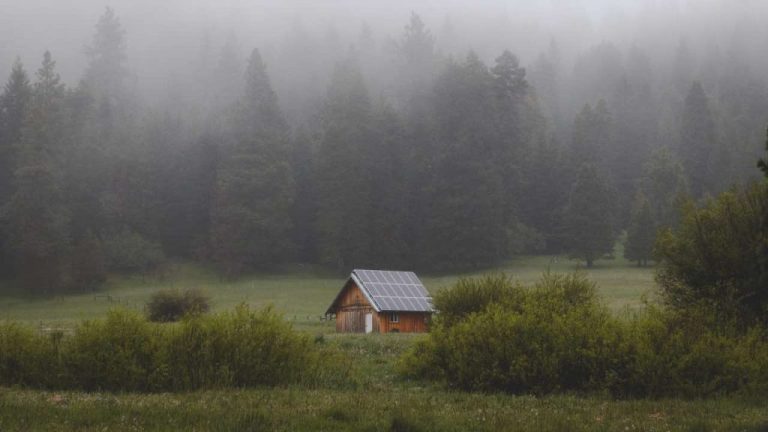
The notion of living entirely off the grid seems implausible in today’s world. However, one woman, Erika, posed this question to her YouTube followers, sparking a conversation about living in a remote home without power.
While completely forgoing electricity might not be feasible, Erika shares strategies to minimize its usage and encourages a thoughtful approach to consumption.
Erika’s Reflections on Minimal Electricity Use
In her thought-provoking video on her YouTube channel “Unusual Cases,” Erika discusses the excessive reliance on electricity in modern life. Living in a secluded village, she aims to reduce her electricity consumption for daily activities.
In her video, she prompts her followers to reflect on their electricity usage, particularly when it’s unnecessary. Erika does not advocate for the complete elimination of electricity because she recognizes its importance for cooking, lighting, and other vital aspects of life. Rather, she critiques certain practices that she deems excessive.
Challenging Modern Cleaning Tools
For example, Erika questions how people clean their homes today compared to the past when they relied on basic methods. She proposes using a bucket, water, and essential oils to clean floors without consuming electricity. To gather dust before mopping, she suggests using a broom and paper towels.
When it comes to cleaning other surfaces, she advocates for using only water and Marseille soap, avoiding chemical detergents entirely. Erika also reminisces about the days when laundry was done manually—with water, soap, and a lot of elbow grease—without the convenience of washing machines. Drying clothes was simply done under the sun, as clothes dryers didn’t exist.
Reducing Appliance Use
Erika emphasizes that the use of various electrical appliances can be significantly reduced, especially when one has ample time. Cutting back on electricity not only saves money on bills but also aligns with a more sustainable lifestyle. This is especially relevant during financially challenging times.
Reevaluating Our Relationship with Technology
While technology enhances our comfort and convenience, Erika encourages us to reflect on how often we rely on it. By rediscovering old traditions and embracing low-tech methods, we can consume much less electricity than the average person. What are your thoughts on this lifestyle shift?
Conclusion
Erika’s insights serve as a reminder of our modern dependency on electricity and the possibility of living a simpler, more sustainable life. By questioning our habits and exploring alternatives, we can find a balance that benefits both our wallets and the environment.