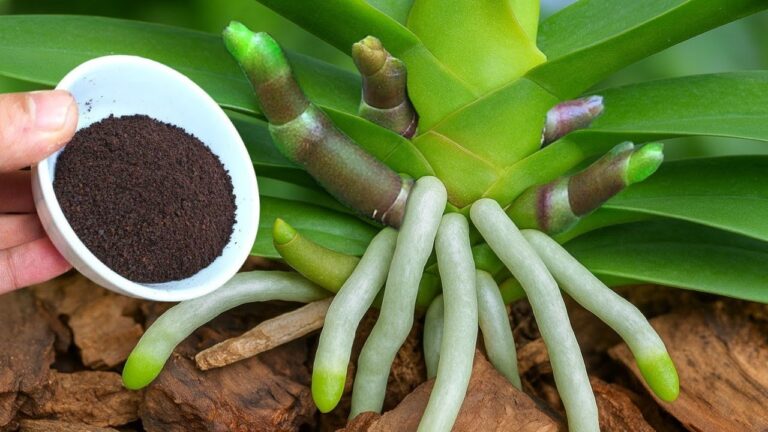

10 Secrets for Non-Stop Orchid Blooms and Crazy Root Growth
10 Secrets for Non-Stop Orchid Blooms and Healthy Root Growth
- Understanding Orchids
- Optimal Lighting Conditions
- Watering Techniques for Orchids
- Fertilization Tips for Vibrant Growth
- Common Mistakes to Avoid
- FAQ
Understanding Orchids
Orchids can be enchanting additions to your home, captivating you with their vibrant colors and unique shapes. However, many orchid enthusiasts find that their beloved plants struggle to bloom consistently, leaving them feeling frustrated. To unlock the secrets to non-stop blooms and crazy root growth, understanding the specific needs of your orchids is crucial. Let’s delve into the essential factors that contribute to a thriving orchid garden.
Types of Orchids
First, familiarize yourself with the different types of orchids. Popular varieties like Phalaenopsis and Cattleya have distinct care requirements. Knowing the type of orchid you own helps you tailor your care routine for optimal health.
Natural Habitat
Orchids naturally thrive in various environments, often in tropical climates where they receive dappled sunlight. Mimicking these conditions indoors is essential to keep your plants vigorous. Plants like orchids can be epiphytic or terrestrial, which will influence their potting and watering needs.
Optimal Lighting Conditions
One of the biggest secrets to keeping your orchids blooming is providing appropriate lighting. Orchids require bright but indirect light to flourish. Too much direct sunlight can lead to leaf burn, while too little can hinder their growth. Here are tips to achieve the right balance.
Identifying Light Requirements
- Place your orchids near a window that receives filtered sunlight, such as sheer curtains or shades.
- Rotate your pots regularly to ensure even growth and light exposure on all sides.
- Monitor the leaves; if they turn yellow, it may indicate too much light, whereas dark green leaves suggest inadequate light.
Types of Grow Lights
If natural light is insufficient, consider adding artificial growth lights like LED or fluorescent bulbs. Position these lights about 12 inches above your plants and set them on a timer for about 12-14 hours a day, mimicking natural daylight conditions.
Watering Techniques for Orchids
Watering is critical for healthy root growth in orchids. However, it can be tricky as overwatering is a common cause of plant distress. The following steps help you develop effective watering habits.
Watering Schedule
- Check the potting medium; if it feels dry about an inch down, it’s time to water.
- Water your orchids until the excess drips through the drainage holes, ensuring roots receive adequate moisture.
- During the winter months, reduce watering frequency, as orchids need less moisture in cooler temperatures.
Water Quality
Use distilled or rainwater when possible, as tap water often contains minerals that can harm your orchids over time. Allowing tap water to sit for 24 hours can also help dissipate some chlorine and chemicals before using it on your plants.
Fertilization Tips for Vibrant Growth
Fertilization plays an essential role in encouraging blooms and root health in orchids. Applying the right nutrients at the right time ensures balanced growth.
Choosing Fertilizers
Opt for a balanced, water-soluble fertilizer specifically designed for orchids. Look for one with a lower nitrogen ratio for flowering phases, such as a 30-10-10 formula. Fertilize your orchids every 2-4 weeks during the growing season, but reduce this frequency during dormancy.
Application Techniques
- Dilute the fertilizer in water as per the package instructions to avoid burning the roots.
- Apply the fertilizer after watering, ensuring your orchids are hydrated before introducing nutrients.
- Flush the potting medium every few months with plain water to prevent salt buildup from fertilizers.
Common Mistakes to Avoid
Even seasoned orchid caretakers make mistakes. Understanding what to avoid can greatly enhance your success in creating beautiful blooms and robust roots.
Overwatering
One of the most prevalent mistakes is overwatering, which leads to root rot. Always check the moisture level before watering.
Poor Air Circulation
Orchids thrive in environments with good air circulation. Crowding plants or placing them in enclosed spaces can lead to fungal infections.
Ignoring Signs of Distress
Pay attention to the symptoms your orchids display. Discolored leaves, wilting, or a lack of blooms are often signs they need care adjustments.
FAQ
How often should I water my orchids?
Watering frequency depends on your home environment, but generally, it’s advisable to check the potting medium weekly and water when it feels dry about an inch down.
Why are my orchid leaves turning yellow?
Yellow leaves often indicate too much light or water. Assess your care habits to see where adjustments can be made.
When should I fertilize my orchids?
Fertilize your orchids every 2-4 weeks during the growing season, and reduce this frequency in the winter months when growth slows down.
Conclusion
Maintaining orchids involves understanding their specific needs, including light, water, and nutrients. With these tips, you can achieve vibrant blooms and strong root growth in your plants. What other gardening secrets would you like to share in the comments below?