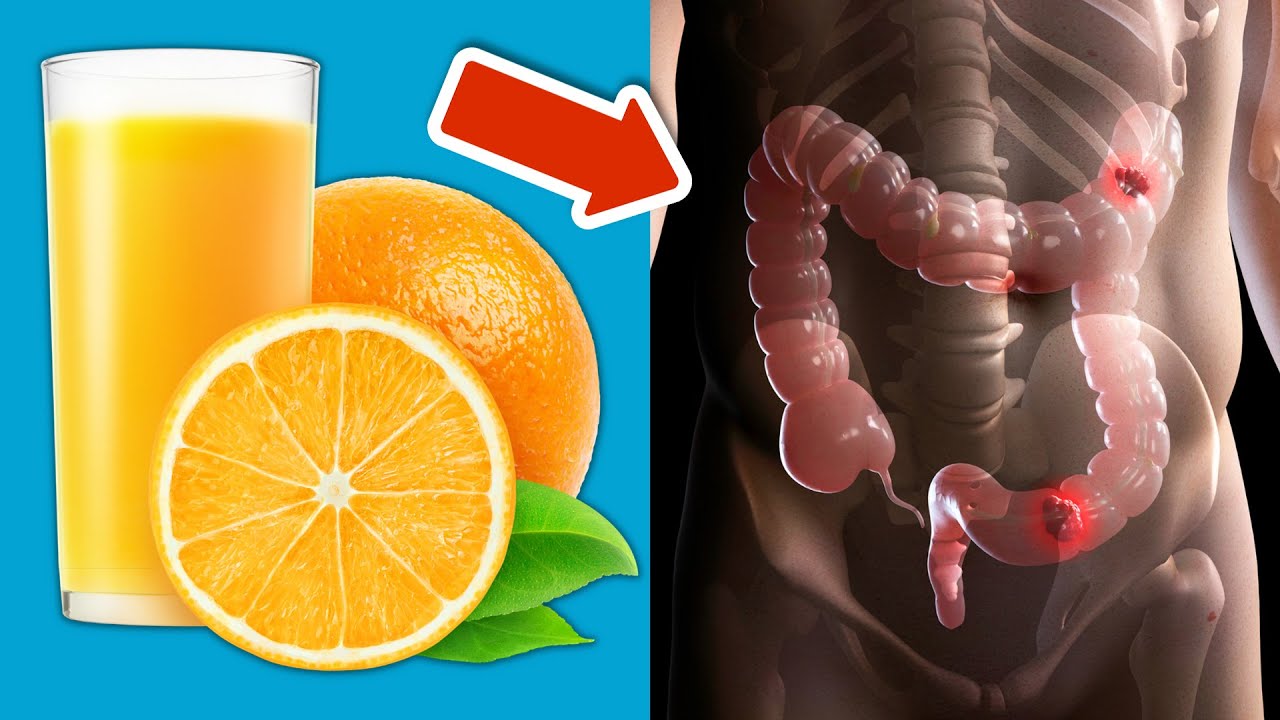
1 Glass of Juice a Day: 5 Surprising Reasons It’s Bad for Your Health! 🍹💥
5 Surprising Reasons One Glass of Juice a Day Could Be Bad for Your Health
- Introduction
- 1. High Sugar Content
- 2. Lack of Fiber
- 3. Potential for Weight Gain
- Common Mistakes
- FAQ
- Conclusion
Introduction
Many people enjoy starting their day with a refreshing glass of juice, picturing it as a healthy choice. However, while it may seem like a great option, juice can come with its downsides. The familiarity of juice might lead you to overlook some potential impact on your health. Understanding why consuming just one glass daily could be detrimental is worthwhile. Let’s explore some surprising reasons that might change the way you think about your morning ritual.
1. High Sugar Content
One of the most significant concerns regarding juice is its high sugar content. Even 100% fruit juices can be packed with sugars that can affect your health.
Natural vs. Added Sugars
While fruit contains natural sugars, the juice often strips away much of the fruit’s benefits. Many commercial juices also contain added sugars, which can quickly increase your daily intake beyond recommended levels.
Impact on Blood Sugar
The quick absorption of sugar from juice can lead to spikes in your blood sugar levels, followed by crashes that may leave you feeling fatigued and hungry again.
2. Lack of Fiber
Another downside of juice consumption is the lack of fiber that normally comes from whole fruits. Fiber plays a crucial role in digestion and health.
Fiber’s Benefits
Fiber provides various health benefits, including helping you feel full longer and maintaining steady energy levels. Juicing removes most of this fiber, diminishing its advantages.
Whole Fruits vs. Juice
Choosing whole fruits over juice allows you to benefit from their fiber content, which enhances your gut health and aids in digestion.
3. Potential for Weight Gain
Despite being perceived as a healthy beverage, drinking juice might actually lead to potential weight gain. Consuming high-calorie liquids can contribute to your overall caloric intake without providing the satiety of solid foods.
Caloric Density
Juice can be very calorie-dense compared to the amount of satisfaction it provides. Enjoying a glass may lead you to consume more calories than you realize, especially if it becomes a daily habit.
Healthier Alternatives
If you’re looking to lose or maintain weight, consider substituting juice with other beverages, such as infused water or herbal teas, that provide hydration without the extra calories.
Common Mistakes
When it comes to juice consumption, several mistakes can lead to adverse health effects. Here are a few to watch out for:
- Relying on juice as a meal replacement instead of whole foods.
- Not paying attention to portion sizes, leading to excess sugar intake.
- Assuming all juices are created equal; many are loaded with added sugars.
- Ignoring the benefits of eating whole fruits for better nutrition.
FAQ
Can I drink juice if it’s made at home? Yes, homemade juice can be healthier, but it’s still essential to consume it in moderation to avoid sugar overload.
What are some alternatives to juice? Consider smoothies, infused water, or simply eating whole fruits for better health benefits.
Is all juice harmful? Not necessarily, but moderation is key. Opt for whole fruits whenever possible to reap the full benefits.
Conclusion
While enjoying a glass of juice might seem like a healthy choice, it’s crucial to be aware of its potential drawbacks. Being mindful of its sugar content and the lack of fiber can lead to wiser beverage choices. What have you found to be your preferred morning drink? Feel free to share your thoughts in the comments!