
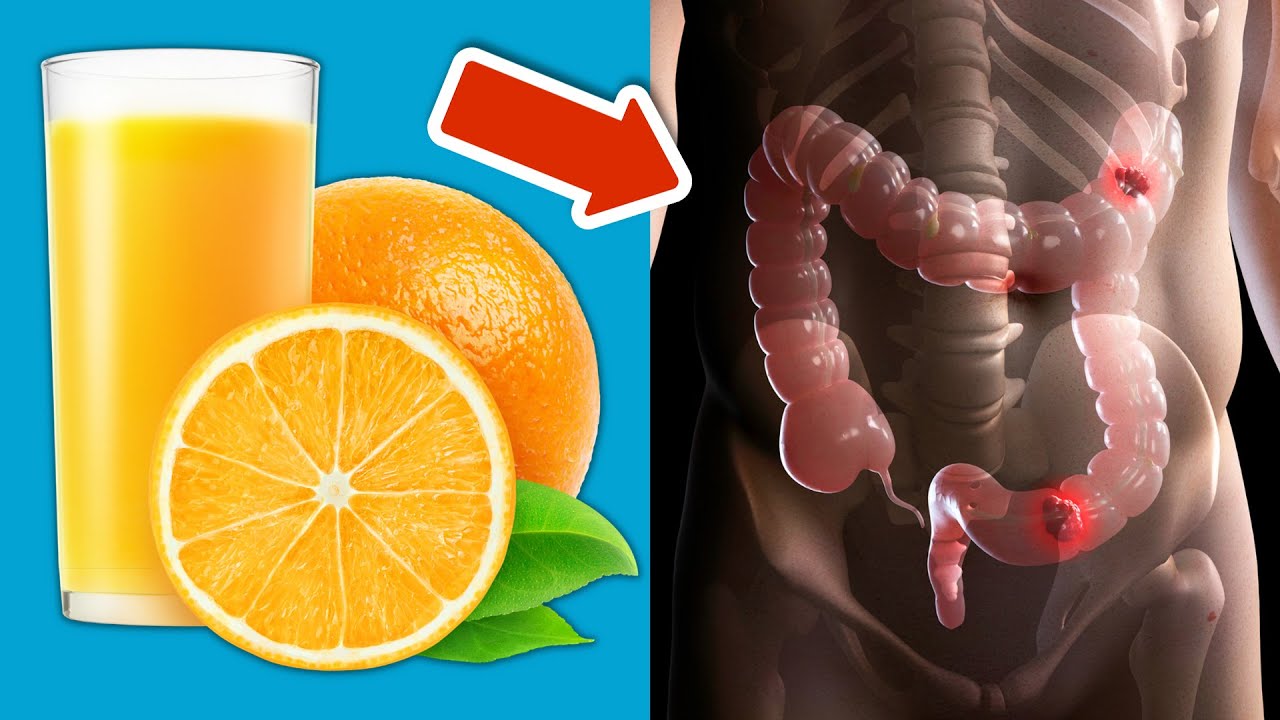
Why 1 Glass of Juice a Day Can Be Bad for You: 5 Surprising Reasons to Know!
Why One Glass of Juice a Day Might Not Be Best for Your Health
- Introduction
- Understanding Fruit Juice
- Nutritional Concerns of Juice
- Impact of Juice on Blood Sugar
- Common Mistakes with Juice Consumption
- FAQ
- Conclusion
Introduction
Picture this: you pour yourself a glass of what looks like nature’s goodness, thinking you’re treating yourself to a healthy choice. Yet, what if that one glass of juice isn’t as beneficial as you believe? Many people enjoy juice as an easy way to consume fruits, but it’s essential to question whether it’s truly the healthiest option. Understanding the implications of regular juice consumption can help you make informed decisions about your daily health routine. Let’s explore the reasons behind this surprising reality.
Understanding Fruit Juice
Many of us enjoy fruit juice, associating it with vitamins and health benefits. However, it’s important to examine what fruit juice really contains and its impact on your body.
1. Differences Between Juice and Whole Fruits
Unlike whole fruits, which provide fiber, juice lacks many beneficial nutrients. Here’s a brief look:
- Whole fruits retain fiber, aiding in digestion and making you feel full.
- Juice often contains added sugars, elevating calorie content.
2. Types of Juice
Not all juices are created equal. Consider the following distinctions:
- 100% juice provides some vitamins but lacks the fiber of whole fruit.
- Processed juice can contain preservatives and added sugars.
Nutritional Concerns of Juice
While juice does contain vitamins, its nutritional profile raises concerns that you should be aware of before making it a daily habit.
1. High Caloric Content
Juice may seem low-calorie compared to sugary drinks, yet it can pack a surprising caloric punch. For instance:
- A single cup of orange juice can contain around 110 calories.
- Consuming multiple servings a day can lead to weight gain.
2. Lack of Essential Nutrients
Relying on juice can lead to nutrient deficiencies. Here’s what you might miss:
- Fiber crucial for gut health.
- Vitamins** found in whole fruits, such as vitamin C and potassium.
Impact of Juice on Blood Sugar
One of the most significant factors to consider is how your body processes juice. Consuming juice can lead to rapid spikes in blood sugar, which may have long-term health impacts.
1. Glycemic Index of Juice
Juice often has a high glycemic index, meaning:
- Rapid absorption of sugars into your bloodstream.
- Increased insulin levels, potentially leading to insulin resistance over time.
2. Impact on Appetite
Liquids often do not satiate as effectively as solid foods, leading to:
- Increased hunger shortly after consuming juice.
- A tendency to overconsume calories throughout the day.
Common Mistakes with Juice Consumption
While you may have heard great things about juice, there are several common pitfalls that can undermine its benefits.
1. Assuming All Juices Are Healthy
Many people mistakenly think all juices provide the same benefits, leading to poor dietary choices.
2. Overindulging in Juice
Having too much juice can easily lead to excess calorie intake and sugar consumption.
3. Focusing Only on Juice for Nutrition
Using juice to replace meals or essential nutrients may lead to deficiencies.
FAQ
Can I still enjoy juice occasionally?
Yes, enjoying juice in moderation is fine, but consider it as a treat rather than a staple in your diet.
What are healthier alternatives to juice?
Whole fruits, smoothies with fiber, or infused waters are great options that provide additional health benefits.
Is store-bought juice different from homemade juice?
Homemade juice allows for more control over ingredients, but it’s still important to consume it mindfully.
Conclusion
While one glass of juice a day may seem harmless, it can bring surprising downsides that impact your health. Being mindful of these factors can help you make better choices for your diet. What’s your go-to healthy drink, and why?