Revive Your Orchids: 1 Simple Spoon Trick for Year-Round Blooms!
Revive Your Orchids: A Simple Spoon Trick for Year-Round Blooms
- Understanding Orchids
- The Simple Spoon Trick
- Care and Maintenance for Orchids
- Common Mistakes to Avoid
- FAQ
Understanding Orchids
Orchids are one of the most enchanting plants, captivating many gardeners with their stunning blooms and unique shapes. However, keeping them healthy can sometimes feel like a challenge. You may find yourself frustrated when your orchids fail to bloom, despite your best efforts. What could be going wrong? Understanding the basic needs of these beautiful plants is vital for ensuring they thrive in your home. Read on to discover effective techniques to encourage blooming throughout the year.
The Simple Spoon Trick
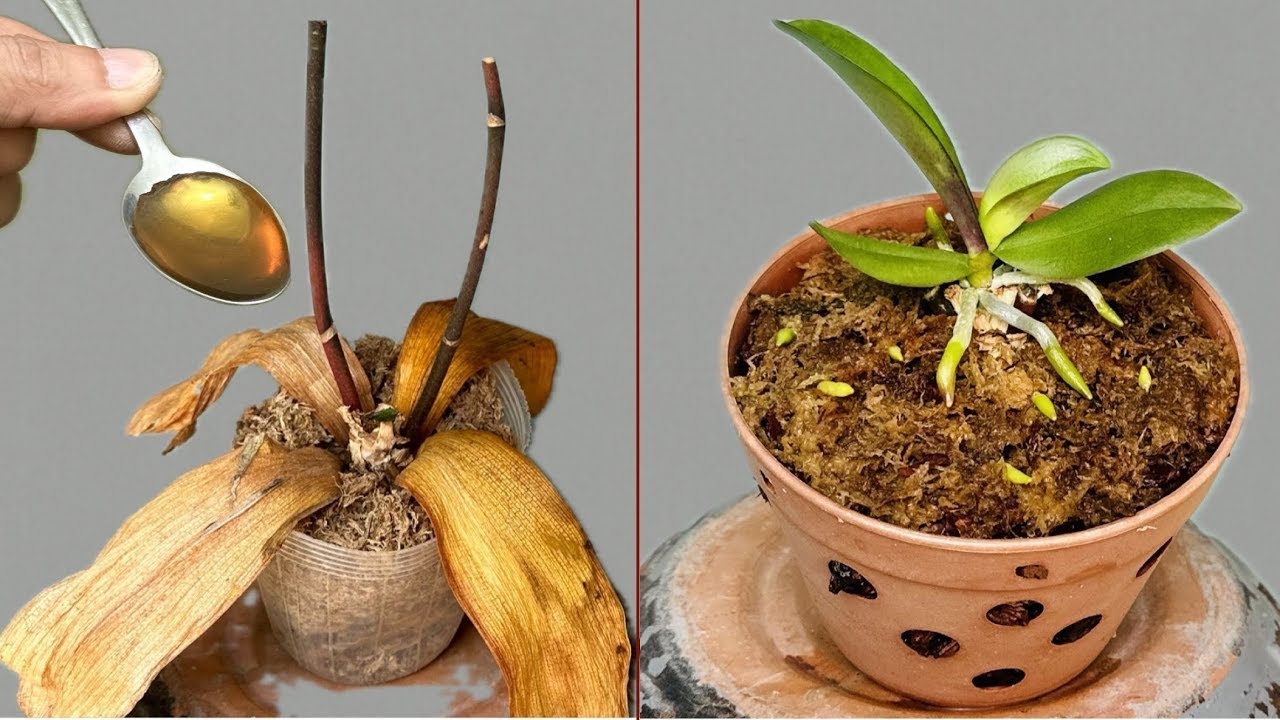
One of the simplest and effective methods for reviving your orchids involves a common kitchen item: a spoon. This method not only helps in watering but also aids in the nourishment of your orchids. The technique is easy to implement, whether you are a novice or a seasoned gardener.
1. Gather Your Materials
- A spoon: A standard tablespoon will work perfectly.
- Water: Use distilled or rainwater for best results.
- Fertilizer: A balanced orchid fertilizer will provide necessary nutrients.
2. The Process
Here’s how to use your spoon effectively:
- Measure: Use the spoon to measure out water — around 1-2 tablespoons should be sufficient per plant.
- Administer: Slowly pour the water into the pot, ensuring the roots soak it up without waterlogging.
- Feed: Mix the suggested amount of fertilizer with your water during feeding time and use the spoon to deliver it properly.
Benefits of the Spoon Trick
This method allows for precise watering and feeding, minimizing the risk of over or under-watering. Additionally, it enables you to monitor the moisture level more closely, which is essential for orchid health.
Care and Maintenance for Orchids
To ensure your orchids continue to thrive after implementing the spoon trick, consider the following care tips:
1. Light Requirements
Orchids thrive in bright, indirect sunlight. Consider placing them near a window with filtered light. It may help to rotate the pot occasionally to ensure even light exposure.
2. Humidity and Temperature
These plants prefer humidity levels of around 50-70%. You can increase humidity by placing a tray of water with pebbles under the plant or using a humidifier. Keeping your orchids in a warm environment, ideally between 65°F to 75°F, promotes healthy growth.
3. Potting and Repotting Tips
Use a well-draining potting mix designed for orchids. If the roots begin to grow out of the pot or if the mix appears to break down, it might be time to repot. Choose a pot that allows proper airflow to the roots.
Common Mistakes to Avoid
While caring for orchids may seem straightforward, there are common pitfalls to watch out for:
- Overwatering: Orchids are sensitive to waterlogged roots; ensure your pot has drainage holes.
- Under-fertilizing: Neglecting to feed your orchids may lead to poor growth. Use fertilizer as directed.
- Poor lighting: Too much direct sunlight can scorch leaves, while too little can prevent blooming. Find a balance.
- Avoiding repotting: As orchids grow, they may need to be repotted. Ignoring this can stunt their growth.
- Skipping humidity measures: Neglecting humidity can lead to unhealthy plants, so consider a humidity solution in dry environments.
FAQ
How often should I water my orchids?
Typically, watering once a week is sufficient, but this can vary based on the environment and season. Always check the moisture level before watering.
What type of fertilizer is best for orchids?
A balanced, water-soluble orchid fertilizer is ideal. Look for a formula with equal ratios of nitrogen, phosphorus, and potassium.
Can I revive an orchid that hasn’t bloomed in a while?
Yes, with the right care techniques, including the simple spoon trick and proper maintenance, many orchids can be encouraged to bloom again.
Conclusion
Reviving your orchids is achievable with the right approach, including the simple spoon trick for effective watering and feeding. By understanding the care requirements and avoiding common mistakes, you can enjoy beautiful blooms year-round. What tips do you find most useful for caring for your orchids? Feel free to share in the comments below!