6 Signs of Vitamin E Deficiency You Must Not Ignore for Better Health!
6 Signs of Vitamin E Deficiency You Must Not Ignore for Better Health
- Introduction
- What is Vitamin E?
- Signs of Vitamin E Deficiency
- Common Mistakes Regarding Vitamin E
- FAQ
- Conclusion
Introduction
Do you often feel fatigued or notice skin changes that just don’t seem right? Vitamin E plays a vital role in maintaining your overall wellbeing, yet many people overlook its importance. A deficiency in this essential nutrient can lead to subtle symptoms that might be easy to dismiss. As you read on, you’ll discover what to look for and why paying attention to these signs is crucial for your health.
What is Vitamin E?
Vitamin E is a fat-soluble antioxidant that helps protect your cells from damage caused by free radicals. It’s essential for a healthy immune system and is also vital in maintaining skin health. Let’s explore some of the key details regarding this important vitamin:
- Types of Vitamin E: There are several forms, with tocopherols and tocotrienols being the most common.
- Sources: You can find vitamin E in various foods such as nuts, seeds, spinach, and whole grains.
- Recommended Intake: The daily recommended amount varies by age and gender, typically around 15 mg for adults.
Signs of Vitamin E Deficiency
Recognizing the signs of vitamin E deficiency can be the first step towards improving your health. Here are six key signs to watch out for:
- Fatigue: If you find yourself feeling unusually tired, it could be a sign of low levels of vitamin E.
- Dry Skin: Vitamin E is known for its moisturizing properties; a deficiency may lead to dry or flaky skin.
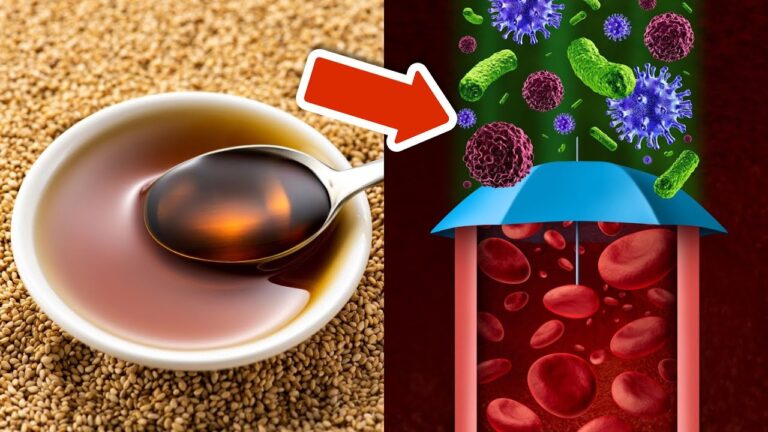
- Weak Immune Function: Frequent infections or illnesses may indicate a need for more vitamin E in your diet.
- Nerve Problems: Symptoms like tingling or numbness in your hands and feet can be linked to insufficient vitamin E.
- Vision Issues: Difficulty seeing at night or blurred vision can signal problems with vitamin E.
- Muscle Weakness: This can result from damage to muscle fibers due to a lack of this essential nutrient.
Understanding Each Sign
Let’s dive deeper into a few of these signs to understand the connection with vitamin E:
- Fatigue: Low energy levels can affect your daily functions. Consider revising your diet to include more nutrient-rich foods.
- Dry Skin: This could also be aggravated by environmental factors. Regularly using topical sources of vitamin E like oils can help.
Promoting Awareness
Awareness of these signs is crucial. If you notice persistent symptoms, it’s advisable to consult a healthcare provider to discuss your nutritional intake.
Common Mistakes Regarding Vitamin E
It’s easy to make mistakes when it comes to ensuring you’re getting enough vitamin E. Here are some common pitfalls to avoid:
- Ignoring Symptoms: Dismissing signs of deficiency can lead to serious health issues over time.
- Reliance on Supplements: Over-supplementation can have side effects; focus on obtaining vitamin E from natural food sources first.
- Not Considering Absorption: Fat malabsorption conditions can hinder vitamin E absorption, so pay attention to your overall health.
FAQ
What are the main sources of Vitamin E? You can find vitamin E in foods like nuts, seeds, spinach, and vegetable oils.
How can I tell if I need more Vitamin E? If you experience fatigue, skin issues, or frequent infections, consider evaluating your vitamin E intake.
Can I get enough Vitamin E from diet alone? Yes, a balanced and varied diet rich in whole foods typically provides sufficient vitamin E for most individuals.
Conclusion
Recognizing the signs of vitamin E deficiency is fundamental to maintaining your health. By paying attention to your body’s signals and ensuring a well-rounded diet, you can support your wellbeing. What health changes have you noticed in your life that might be related to your nutrient intake?