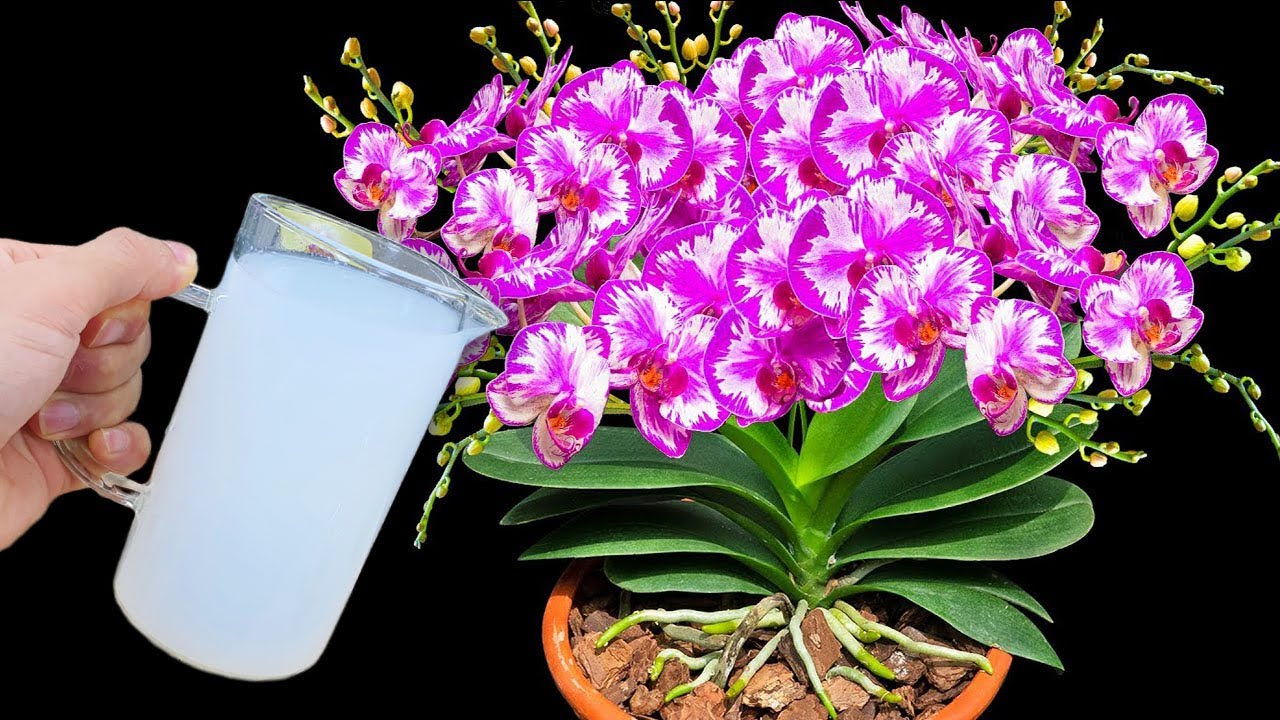
Water Once to Make Orchids Bloom All Year: 5 Secrets to Endless Flowers!
Water Once to Make Orchids Bloom All Year: 5 Secrets to Endless Flowers
- Understanding Orchid Needs
- Optimal Watering Techniques
- Light and Temperature Requirements
- Common Mistakes with Orchids
- FAQ
Understanding Orchid Needs
Orchids can be a source of beauty and elegance in your home, but they can also be surprisingly challenging to care for. If you’ve ever felt frustrated by orchid care, you’re not alone. Many home gardeners struggle with how often to water, leading to plants that don’t bloom or thrive. Understanding the unique needs of your orchids is vital to ensuring their vitality and continuous blooms. Let’s explore how you can enhance your orchid care routine.
Essentials of Orchid Care
- Orchids prefer well-draining mediums; look for bark or sphagnum moss.
- Humidity plays a key role; they thrive in environments with 50-70% humidity.
- Regular fertilization helps rejuvenate your plants throughout the growing season.
Types of Orchids and Their Variations
Different species have unique care requirements. For example, Phalaenopsis, or moth orchids, are popular and easier to maintain, while Cattleya orchids may require more attention.
Optimal Watering Techniques
Watering is one of the most crucial aspects of orchid care. Knowing when and how to water can make a significant difference in the health of your orchids. Over or underwatering can lead to root rot or dehydration.
How to Water Your Orchids
- Check moisture levels before watering. Stick your finger about an inch deep into the potting medium.
- Water thoroughly, allowing water to drain through the bottom of the pot.
- Wait until the medium is nearly dry before the next watering. This is typically every 1-2 weeks.
Using Ice Cubes for Watering
Some gardeners find success using ice cubes to water their orchids. Placing one or two ice cubes on top of the potting medium allows for slow, even watering. The key is to monitor the orchid and adjust based on its response.
Light and Temperature Requirements
Light and temperature are critical factors that directly influence your orchid’s blooming cycle. Too much or too little light can hinder growth and flowers.
Understanding Light Needs
- Orchids enjoy bright but indirect sunlight; a south-facing window is ideal.
- If you notice leaves turning yellow, it may be a sign of too much sun exposure.
Maintaining Ideal Temperatures
Orchids thrive in temperatures between 65°F (18°C) and 75°F (24°C) during the day and slightly cooler at night. Sudden temperature changes can stress your plants, affecting their blooming.
Common Mistakes with Orchids
1. Overwatering
Many gardeners tend to overwater their orchids. It’s essential to ensure the potting medium dries out between waterings to prevent root rot.
2. Ignoring Light Levels
Not providing adequate light can lead your orchids to stop blooming. Monitor their leaves for clues about their light exposure.
3. Using the Wrong Fertilizer
Regular houseplant fertilizer may not be suitable for orchids. Use a specialized orchid fertilizer to provide the necessary nutrients.
FAQ
How often should I water my orchids?
Watering frequency varies depending on factors like temperature and humidity, but generally, every 1-2 weeks is ideal.
Why are my orchid leaves turning yellow?
Yellow leaves can indicate overwatering or too much sunlight. Check your care routine to determine the cause.
Should I repot my orchid?
Yes, repotting every couple of years or when the potting medium breaks down is beneficial for the health of your orchid.
Conclusion
Caring for orchids involves understanding their unique needs, particularly regarding watering and light. By avoiding common mistakes and implementing proper techniques, your orchids can thrive and bloom beautifully. What has been your biggest challenge with orchid care? Please share your experiences in the comments.