Revive Your Orchids: 5 Simple Tips for Thriving Plants Even After Death!
Revive Your Orchids: 5 Simple Tips for Thriving Plants Even After Death!
- Understanding Orchid Needs
- Reviving Orchids: Step-by-Step
- Care Tips to Prevent Death
- Common Mistakes to Avoid
- FAQ
Understanding Orchid Needs
Many orchid lovers face the heartbreaking experience of seeing their once vibrant plants dwindle and decline. You may notice yellowing leaves, shriveled roots, or even complete wilting. Understanding the specific needs of your orchid, including its environmental preferences, can help you turn things around. Discover the requirements that make orchids flourish and how to adapt your care routine for rejuvenation.
Light Requirements
Orchids often require bright, indirect sunlight to thrive. Too much direct sunlight can scorch their leaves. Conversely, insufficient light can lead to weak growth. Keep your orchids near a window with filtered light or use sheer curtains to provide the perfect balance.
Watering Techniques
Striking the right balance in watering is essential. Overwatering can lead to root rot, while underwatering can cause stress in the plant. Always check the moisture level of the potting medium. Use your finger to gauge if it feels dry before watering again for optimal growth.
Humidity and Temperature
Orchids thrive in environments with higher humidity levels, ideally between 40-70%. If your home is dry, consider using a humidity tray or a room humidifier. Additionally, ensure that daytime temperatures are between 70°F and 85°F for optimum plant health.
Reviving Orchids: Step-by-Step
If your orchid has seen better days, don’t lose hope. Follow these simple steps to breathe new life into your plant.
- Assess the condition:
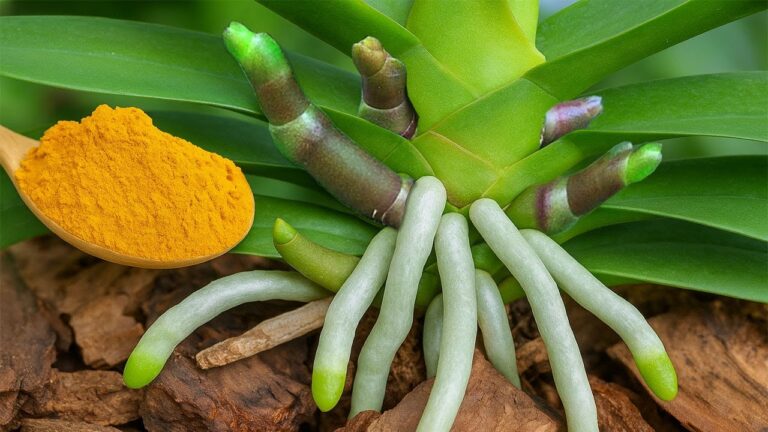
Check for any signs of rot or disease by examining the roots and stem. Healthy roots will be firm and green, while unhealthy roots will appear brown and mushy.
- Repot if necessary:
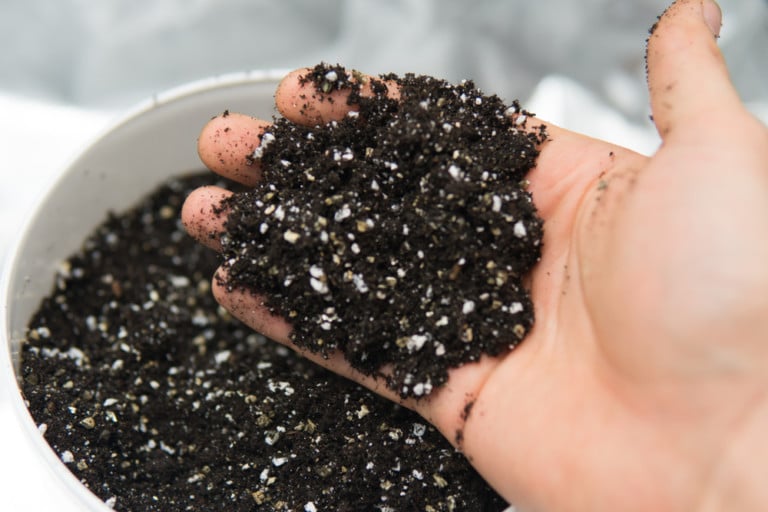
If you notice damaged roots, consider repotting your orchid in fresh orchid potting mix. This new medium will provide the drainage and nutrients your plant needs.
- Water properly:
After repotting, give the plant a thorough drink and let excess water drain completely. Avoid watering again until the medium feels dry.
- Increase humidity:
Place your orchid in a location with higher humidity, such as a bathroom or kitchen, or use a humidity tray to provide that extra moisture boost.
- Monitor closely:
Keep an eye on your plant’s progress. Look for new growth or the emergence of roots, which indicate recovery.
Care Tips to Prevent Death
Once you’ve revived your orchid, maintaining its health is crucial to prevent it from declining again. Here are effective care tips to keep your plants thriving.
Regular Fertilization
Give your orchids balanced fertilizer every two weeks during the growing season to ensure they receive essential nutrients. A diluted mixture specifically designed for orchids will work wonders.
Proper Light Exposure
Shift your orchids around the season as light levels change. Observe their growth patterns and adjust positioning to ensure they are getting the right light throughout the year.
Consistent Watering Schedule
Establish a consistent watering schedule based on the seasonal needs of your orchid. Over time, you’ll get a sense of when they need water, which will help you avoid the extremes of underwatering and overwatering.
Common Mistakes to Avoid
Here are some pitfalls many orchid owners face that can hinder plant revival and growth:
- Overwatering your orchids can lead to root rot. Make sure to let the potting medium dry thoroughly between waterings.
- Ignoring light conditions can be detrimental. Adjust your orchids’ location based on seasonal light availability.
- Fertilizing too much can burn the roots. Stick to a regular feeding schedule with the appropriate dilution.
- Using the wrong pot can stifle growth. Ensure you’re using pots with good drainage to promote healthy root development.
- Neglecting humidity levels may stress your orchids. Use a humidity tray or adjust your home’s moisture levels as needed.
FAQ
What should I do if my orchid’s leaves are yellowing?
Yellowing leaves often indicate overwatering or inadequate light. Assess your watering habits and ensure adequate light exposure for your orchid’s needs.
How often should I fertilize my orchid?
Fertilizing every two weeks during the growing season with a balanced orchid fertilizer is ideal. Reduce feeding during the dormant winter months.
Can I revive a fully wilted orchid?
While it’s challenging, revival is possible. Focus on repotting, improving humidity, and adjusting watering habits to encourage new growth.
Conclusion
Reviving your orchids doesn’t have to be a daunting task. By following these simple tips, you can nurture your plants back to health and enjoy their beauty for years to come. Have you experienced a successful revival with your orchids? Share your stories in the comments below!