Grow Gooseberries All Summer: Your Ultimate Guide to Planting Success
Grow Gooseberries All Summer: Your Ultimate Guide to Planting Success
Discover the delightful world of gooseberries, a fruit that can transform your garden. With a unique flavor profile that ranges from tart to sweet, these gems are making a comeback in American gardens. Learn how to grow and enjoy gooseberries in your own backyard!
What Are Gooseberries?
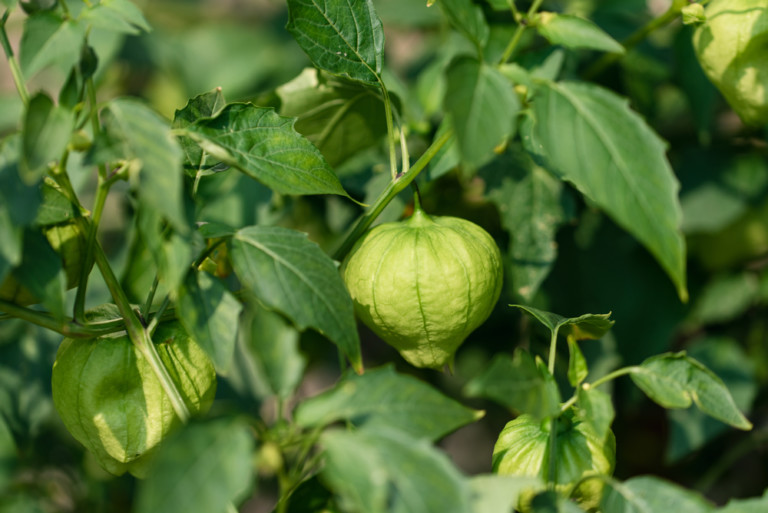
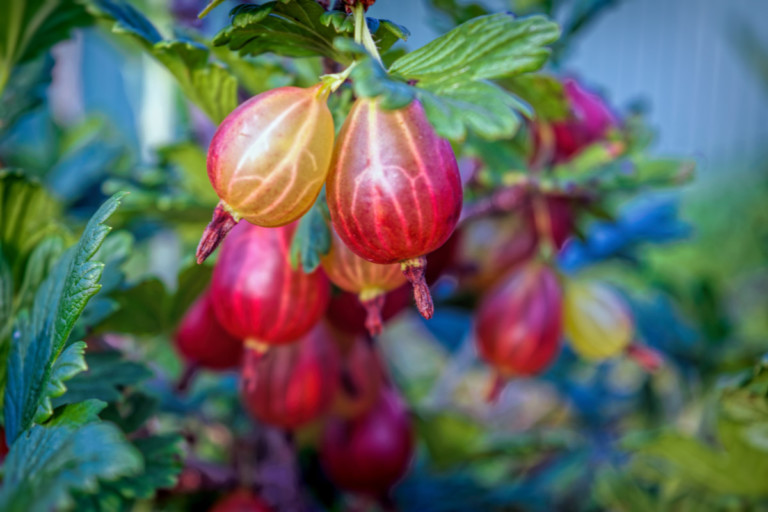
Often found in markets, gooseberries can be delightfully tart when green, with varieties in red and purple that offer sweeter notes. These berries remind many of grapes, although they are harvested individually rather than by bunches. While gooseberry juice might not rival homemade grape juice, the fruit’s versatility is undeniable.
Gooseberries thrive in northern climates, specifically in growing zones 3-8, as they do not tolerate excessive heat or dryness. If given a sunny spot, these plants can reward you with delicious fruits for years to come.
Benefits of Growing Gooseberries
- Perennial Power: Gooseberries are perennials, meaning they will produce fruit year after year, providing self-reliance in your garden.
- Long Lifespan: A mature gooseberry bush can yield fruit for 20 to 40 years, making it a worthy investment.
- Self-Pollinating: You’ll only need one bush to get started, although planting multiple will enhance your harvest.
Benefits of Eating Gooseberries
Growing your own gooseberries ensures a fresh, organic source of nutrition. A single cup of gooseberries can provide 46% of your daily vitamin C needs and is rich in other essential nutrients, including vitamins B5, B6, copper, manganese, and potassium.
How to Plant Gooseberries: Step-by-Step Guide
1. Choosing Your Gooseberry Bushes
When selecting bare-root plants, know your desired variety:
- Ribes uva-crispa: The European gooseberry.
- Ribes hirtellum: The American gooseberry.
2. Soak Your Bare-Root Plants
Soaking is crucial for bare-root plants. Soak the roots for at least 6 hours, or ideally 24 hours, before planting to ensure they are well-hydrated.
3. Prune Your Bare-Root Plants
Trim any broken branches and lightly prune roots that grow too long or upward to encourage healthy growth.
4. Choose a Planting Location
Find a sunny area with well-draining soil. Partial afternoon shade can benefit the plants. If space is limited, consider growing them in containers.
5. Digging the Hole
Dig a hole deep enough to plant your bush so that it sits flush with the ground, ensuring roots have adequate space.
6. Planting the Bush
Loosen soil under the roots and add compost if necessary. Space bushes 3-4 feet apart for optimal growth.
7. Fill the Hole and Tamp Down the Soil
Replace the soil, breaking it up as you go, and gently tamp it down to eliminate air gaps around the roots.
8. Add Mulch
Wait to add mulch if wildlife might be an issue. Otherwise, it helps retain moisture and suppress weeds.
Caring for Gooseberries
In a few years, start pruning your gooseberries to remove dead wood and overcrowded branches. The best time to prune is during winter when the bush is dormant. This keeps your bushes productive and encourages good air circulation to prevent disease.
Harvesting Gooseberries
Be patient! It can take 2 to 5 years for blueberry bushes to yield a full harvest. Birds often signal that berries are ripe; if they start stealing from your bush, cover it with cloth or netting.
Harvest takes place in mid-summer, lasting 4-6 weeks. You can pick some berries slightly unripe for preserves or wait for fully ripe ones, which might be red, pink, white, yellow, or green depending on the variety. Taste-testing is key!
Ways to Enjoy Your Homegrown Gooseberries
Once harvested, consider freezing gooseberries for later use, as they do not all ripen simultaneously. You can create delicious recipes such as:
- Gooseberry jam
- Gooseberry and gin jam
- Pickled gooseberries
- Gooseberry compote
- Gooseberry pie
Gooseberries can also be consumed raw, offering you a burst of vitamins as you enjoy their natural tartness.
Conclusion
With proper care and patience, growing gooseberries can be an incredibly rewarding gardening experience. Not only do you get to enjoy their unique flavors, but you’ll also reap the numerous health benefits they offer. Start planting your gooseberries today and savor the delightful fruits of your labor!