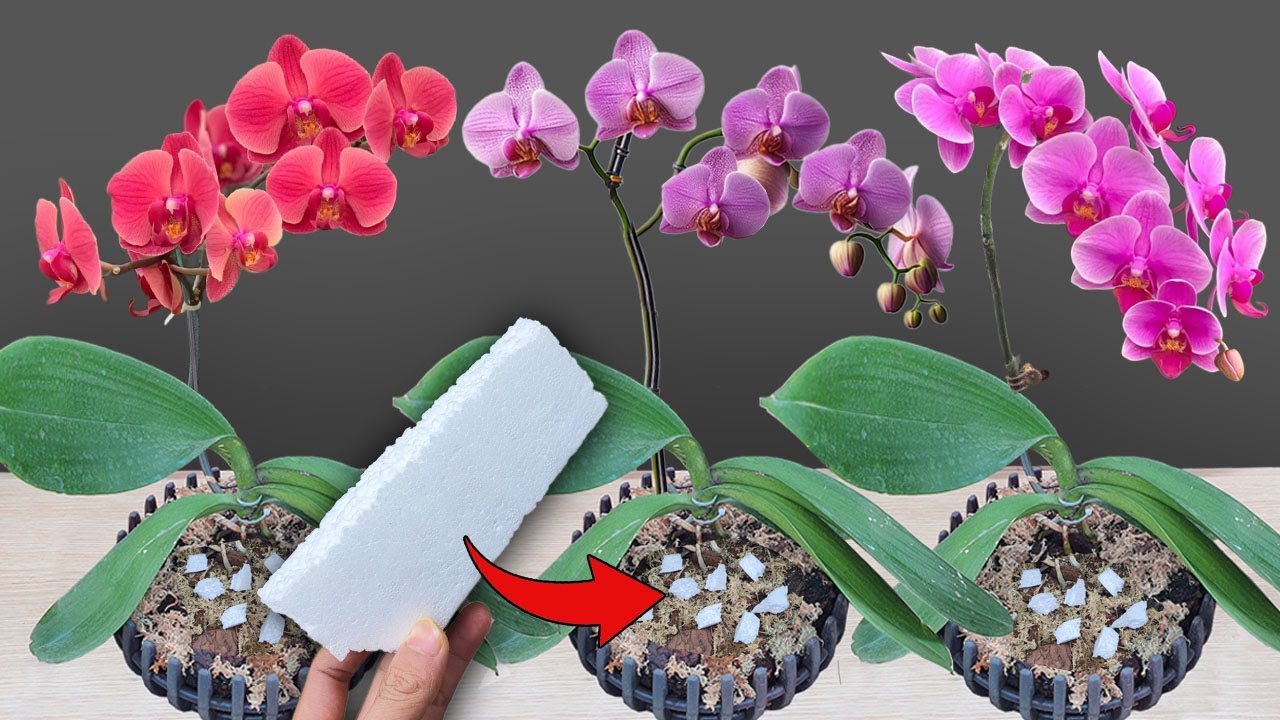
7 Secrets to Grow Orchids Fast and Keep Them Blooming Year-Round!
7 Secrets to Grow Orchids Fast and Keep Them Blooming Year-Round
- Understanding Orchids
- Creating the Ideal Environment
- Feeding Your Orchids
- Watering and Care Techniques
- Common Mistakes to Avoid
- FAQ
Understanding Orchids
Orchids are a favorite among gardeners, captivating many with their elegant blooms and variety. However, they often come with their own set of challenges. Many enthusiasts find themselves confused about what these plants truly need for healthy growth. Understanding the basic biology and growth habits of orchids can make a significant difference in your gardening success. It’s worth your time to explore the unique characteristics of orchids to set the foundation for blooming success.
Types of Orchids
There are thousands of orchid species, but a few types are particularly popular among home gardeners:
- Cattleya: Known for their large, vibrant flowers.
- Phalaenopsis: Often referred to as moth orchids, known for their ease of care.
- Dendrobium: Recognized for their elongated stems and beautiful blooms.
Growth Habits
Orchids are epiphytes, meaning they naturally grow on other plants rather than in soil. Understanding their growth habits will inform how you care for them. These plants thrive in forest-like conditions, requiring bright but indirect light and sufficient humidity.
Creating the Ideal Environment
Creating a supportive environment for your orchids is crucial. The right conditions can significantly promote growth and blooming. Here are some effective strategies:
Light Requirements
Most orchids enjoy a good amount of light but are sensitive to direct sunlight. Position your orchids near a window with filtered light to mimic their natural habitat.
Temperature Control
Orchids thrive in temperatures ranging from 65°F to 75°F during the day and slightly cooler at night. Make sure your space stays within this range for optimal growth.
Humidity Levels
High humidity is vital for orchids, ideally between 40% and 70%. You can increase humidity by misting your orchids regularly or using a humidity tray filled with pebbles and water.
Feeding Your Orchids
Proper feeding is essential to keep your orchids healthy and blooming. Here’s how to effectively nourish your plants:
Choosing the Right Fertilizer
Orchids benefit from a balanced fertilizer, specifically formulated for them. Look for products with a high phosphorus content to enhance blooming.
Fertilization Schedule
Stick to a schedule by applying fertilizer every two weeks during the growing season (spring and summer) and once a month in the dormant season (fall and winter).
Application Tips
Always dilute your fertilizer according to package instructions and apply it when the soil is moist to avoid root burn. This method ensures your plants absorb the nutrients effectively.
Watering and Care Techniques
Watering can make or break your orchid’s health. It’s important to understand how to approach this aspect of care:
Watering Frequency
Only water your orchids once a week, allowing the top layer of the potting medium to dry out slightly between waterings. Be cautious not to overwater.
Best Watering Methods
When watering, it’s best to soak the pot in water for about 10-15 minutes, allowing the roots to absorb moisture. This mimics natural rain conditions.
Post-Watering Care
After watering, make sure any excess water drains out. Avoid water pooling at the bottom of the pot, as this can lead to rot.
Common Mistakes to Avoid
Even seasoned gardeners can make mistakes when caring for orchids. Here are common pitfalls to steer clear of:
Improper Lighting
Giving your orchids too much direct sunlight can scorch their leaves. Make sure to provide bright, indirect light instead.
Overwatering
Overwatering is the leading cause of orchid death. Always check the soil moisture before adding more water.
Neglecting Potting Medium
Using regular potting soil can suffocate your orchids. Opt for a special orchid potting mix that allows proper airflow to the roots.
FAQ
What type of water is best for orchids? Rainwater or distilled water is best for orchids, as they are sensitive to chemicals found in tap water.
How often should I repot my orchids? Typically, orchids should be repotted every 1-2 years, depending on their growth and the condition of the potting medium.
Why are my orchids not blooming? Lack of appropriate light, nutrients, or an improper watering routine can lead to non-blooming orchids.
Conclusion
Growing orchids successfully comes down to understanding their needs and providing the right care. By following these secrets and avoiding common mistakes, you can enjoy beautiful blooms year-round. Have you tried growing orchids before? Share your experiences in the comments below!