5 Secrets to Make Orchids Bloom Faster with Thriving Roots and Flowers
5 Secrets to Help Your Orchids Bloom Faster
- Understanding Orchids
- Essential Care Tips for Thriving Roots
- Creating the Right Lighting Conditions
- Common Mistakes to Avoid
- FAQ
If you’ve been nurturing an orchid and notice it’s not blooming as beautifully as you’d hoped, you may feel a sense of frustration. Orchids can be delicate, and understanding their needs is essential for promoting vibrant flowers and healthy roots. Many aspects contribute to their growth, and adjustments in their environment or care routine can make a difference. Learning more about these factors can empower you to enhance the flowering potential of your cherished plant.
Understanding Orchids
To encourage your orchids to bloom, it’s crucial to recognize their unique characteristics. Here are some important aspects to consider:
1. Types of Orchids
Different species of orchids have varying needs. Common varieties include Phalaenopsis, Dendrobium, and Cattleya. Each requires specific care for optimal growth.
2. Life Cycle
Orchids typically go through a growth phase and a dormancy phase. Understanding these cycles helps you provide the right conditions at the right time.
3. Root Structure
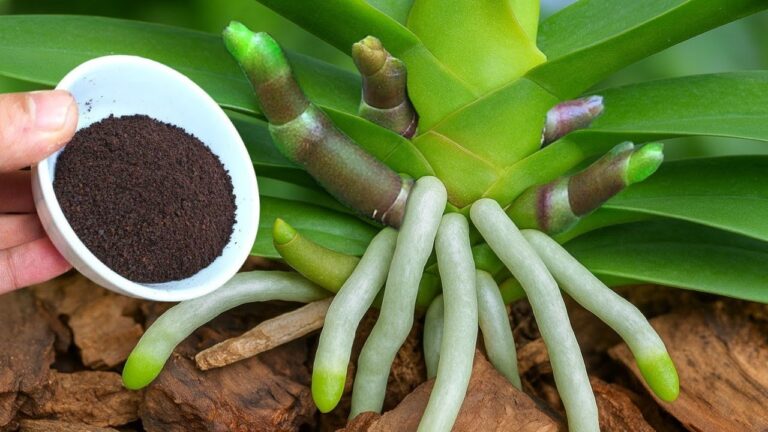
The roots of orchids are vital for their health. They thrive in well-draining media that allows air circulation, which promotes strong root development.
Essential Care Tips for Thriving Roots
Now that you understand your orchid better, it’s time to focus on the care that encourages blooming. Here are some essential tips:
1. Watering Techniques
- Check the moisture level before watering. Allow the top inch of the medium to dry out.
- Water thoroughly, ensuring excess water drains out.
- Avoid letting the plant sit in water to prevent root rot.
2. Fertilizing Practices
Applying the right fertilizer can strengthen your orchids:
- Use a balanced orchid fertilizer every two weeks during the growing season.
- Incorporate a bloom booster during late winter to encourage flowering.
- Reduce feeding during the dormancy period.
3. Humidity Levels
Orchids thrive in higher humidity levels:
- Maintain humidity levels above 50% for optimal growth.
- Use a humidity tray or a pebble tray with water to provide moisture.
- Regular misting can also help, but avoid wetting the leaves excessively.
Creating the Right Lighting Conditions
Light is a fundamental aspect that influences your orchid’s blooming process. Here are some tips for optimizing light exposure:
1. Natural Light Requirements
Most orchids prefer bright, indirect sunlight:
- Place orchids near east or south-facing windows.
- Use sheer curtains to filter harsh sunlight.
2. Artificial Lighting Options
If natural light is insufficient, consider using artificial settings:
- LED grow lights can mimic natural light effectively.
- Keep lights on for around 12-14 hours a day to simulate seasonal changes.
3. Signs of Adequate Light
Monitor your orchids for signs of light adequacy:
- Healthy leaves should be a vibrant green, not yellow or dark green.
- Watch for blooms; insufficient light can delay flowering.
Common Mistakes to Avoid
While caring for orchids can be rewarding, there are common pitfalls to be aware of. Here’s a look at mistakes to avoid:
1. Overwatering
One of the most frequent errors is overwatering. Orchids prefer their roots to dry out slightly between watering sessions.
2. Ignoring Natural Growth Cycles
Failing to recognize when your orchid is in a growth or rest period can hinder blooming. Adjust care accordingly during these phases.
3. Using Non-specific Products
Some gardeners use regular houseplant fertilizers or potting mixes. Using products designed specifically for orchids promotes better growth.
FAQ
How often should I water my orchid? Water your orchid once every week to ten days, depending on the humidity and temperature.
When should I fertilize my orchid? Fertilize every two weeks during the growing season and every four to six weeks during the dormancy period.
Why are my orchid leaves turning yellow? Yellow leaves often indicate overwatering or insufficient light. Adjust your care to address the situation.
By understanding the needs of your orchids and implementing these effective strategies, you can encourage vibrant blooms and robust roots. What tips have you found helpful for your orchids? Share your experiences in the comments!