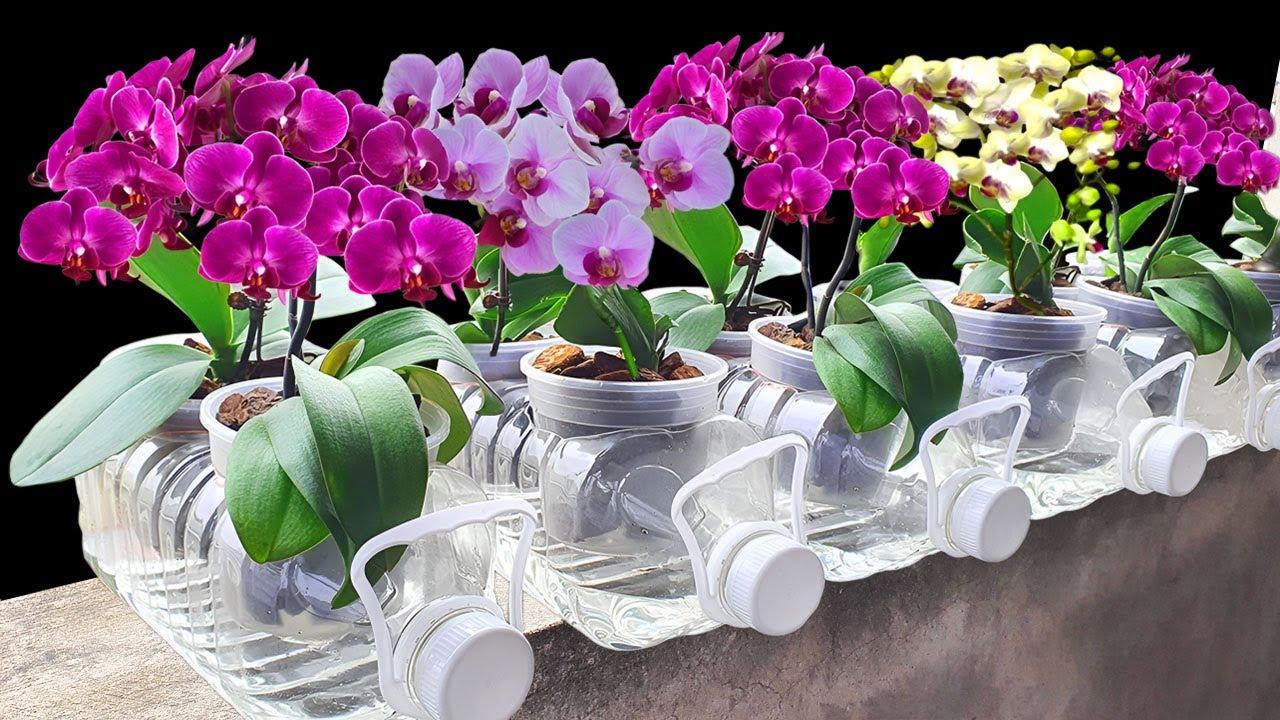
7 Tips to Make Your Orchids Bloom Beautifully Without Root Rot
7 Tips for Beautiful Orchid Blooms Without Root Rot
- Understanding Your Orchid’s Needs
- Ideal Growing Conditions
- Watering Techniques for Healthy Roots
- Common Mistakes to Avoid with Orchids
- FAQ
If you’ve ever brought an orchid home, you may have encountered the frustration of seeing it thrive for a while before it begins to struggle. Root rot can be a serious issue, leading to wilting leaves and dropped blooms. Often, this condition occurs due to poor care practices, leaving you wondering what went wrong. Fortunately, there are effective strategies to promote blooming while safeguarding against root rot. Read on to discover how you can nurture your orchid to its fullest potential.
Understanding Your Orchid’s Needs
To care for your orchid effectively, it’s essential to understand its basic needs. Different types of orchids may have unique preferences, but fundamental principles apply universally.
Choosing the Right Variety
Begin by selecting an orchid that suits your environment. Some popular varieties include:
- Phalaenopsis: Easy to care for, ideal for beginners.
- Cattleya: Known for their large, vibrant blossoms.
- Dendrobium: Requires a bit more attention but rewards with stunning flowers.
Assessing Light Requirements
Orchids generally thrive in bright, indirect light. Position your orchid near a window with filtered sunlight or use sheer curtains to diffuse harsh rays. A lack of adequate light can lead to poor blooming.
Ideal Growing Conditions
Creating an environment that mimics the natural habitat of orchids is vital for their health and blooming potential.
Temperature Considerations
Most orchids prefer temperatures between 65°F and 75°F during the day and slightly cooler at night. Keep them away from drafts and heat sources for optimal growth.
Humidity Levels
Maintaining high humidity is crucial. Aim for humidity levels between 40% and 60%. You can increase humidity by placing a tray of water near the plants or using a humidifier.
Watering Techniques for Healthy Roots
Proper watering is one of the most critical aspects of orchid care, especially when it comes to preventing root rot.
How to Water Your Orchid
- Check the Medium: Before watering, assess the moisture level of the potting medium. If it’s still damp, hold off on watering.
- Water Thoroughly: When it’s time to water, do so thoroughly until water drains from the bottom of the pot.
- Allow for Drainage: Ensure your pot has adequate drainage holes to prevent water from pooling.
Frequency of Watering
Generally, water your orchid every 7 to 10 days, but this may vary depending on your home environment. Monitor your plant’s response and adjust as necessary.
Common Mistakes to Avoid with Orchids
Caring for orchids can be a learning experience, and avoiding certain common pitfalls can greatly enhance your chances of success.
Overwatering
One of the biggest mistakes is overwatering, which can lead to root rot. Always check the moisture levels before adding more water.
Poor Potting Materials
Using the wrong potting medium can hinder growth. Opt for a well-draining mix specifically designed for orchids, often made from bark or sphagnum moss.
Neglecting to Fertilize
Orchids benefit from regular feeding. Use a balanced orchid fertilizer every two to four weeks during the growing season to promote healthy blooms. Remember to dilute the fertilizer to avoid burning the roots.
FAQ
Q: How often should I repot my orchid?
A: Most orchids should be repotted every 1-2 years to refresh the potting medium and encourage new growth.
Q: Can I use regular potting soil for orchids?
A: It’s best to avoid standard potting soil, as it retains too much moisture. Use a mix designed for orchids instead.
Q: What signs indicate my orchid is overwatered?
A: Yellowing leaves, mushy roots, and a generally droopy appearance can indicate overwatering.
Conclusion
Caring for orchids is a rewarding experience when you understand their specific needs and apply the right strategies. By paying attention to watering and avoiding common mistakes, you can enjoy beautiful blooms throughout their growing season. What tips have you found helpful for maintaining your orchids?