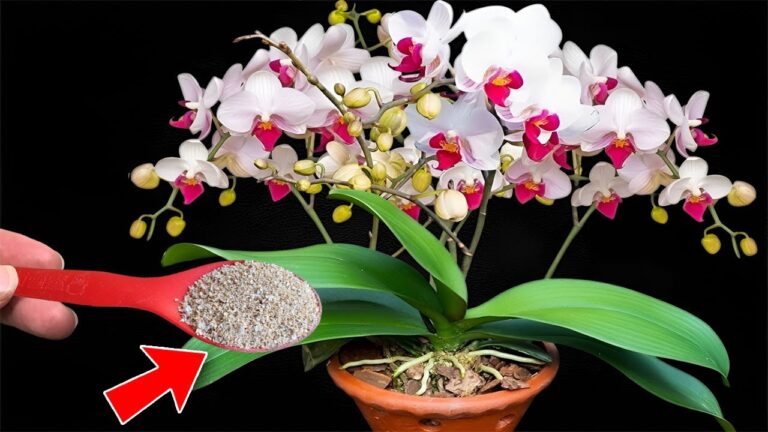
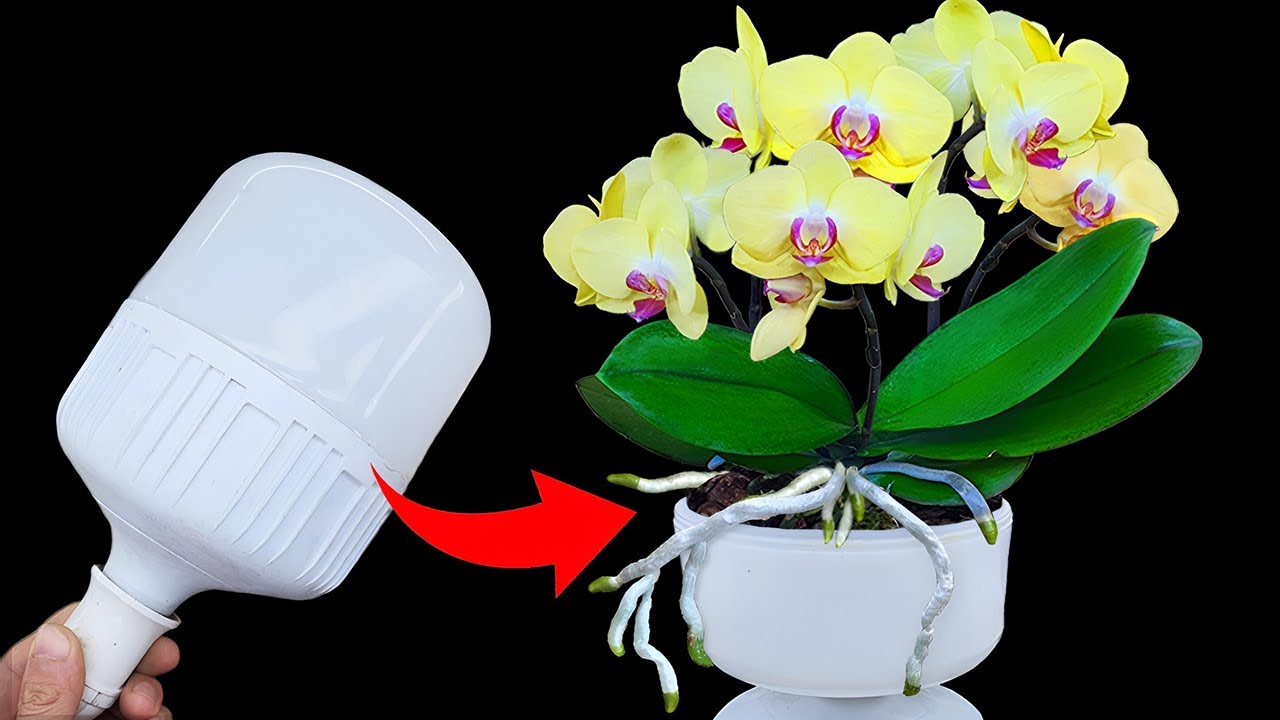
7 Secrets to Grow Orchids That Bloom Like Crazy with Huge Flowers!
7 Secrets to Grow Orchids That Bloom Like Crazy with Huge Flowers
- Understanding Orchids
- Essential Care Tips for Your Orchids
- Creating the Optimal Environment
- Common Mistakes to Avoid When Growing Orchids
- Frequently Asked Questions
Picture this: you’ve nurtured your orchids, carefully tending to their needs, but the blooms just aren’t what you expected. Instead of vibrant, large flowers, you find yourself with meager blossoms. If this sounds familiar, know that you’re not alone in your quest for stunning orchid blooms. Many enthusiasts face similar challenges. However, understanding these plants more deeply and applying some thoughtful care practices can turn your budding orchids into magnificent floral displays. Let’s explore the secrets to making your orchids thrive and bloom beautifully.
Understanding Orchids
Orchids are fascinating and diverse flowers, known for their unique structures and vibrant colors. They belong to one of the largest plant families in the world, with thousands of species. To grow orchids successfully, it’s helpful to understand their individual requirements.
Identifying Orchid Types
There are many types of orchids, each with distinct needs. Some popular varieties include:
- Phalaenopsis: Known for their flat flowers, these are among the easiest to care for.
- Cattleya: Valued for their large blooms and fragrance, they thrive in well-draining potting media.
- Dendrobium: They prefer bright light and need a cooler rest period to flower.
Basic Orchid Biology
Understanding how orchids grow is key to successful blooming. Orchids are epiphytes, meaning they naturally grow on other plants and require proper air circulation around their roots. This characteristic affects how you should water and pot them.
Essential Care Tips for Your Orchids
To encourage your orchids to produce large, plentiful blooms, proper care is paramount. Here are some essential tips:
Watering Practices
- Check the moisture level: Water only when the potting mix feels dry to the touch.
- Avoid waterlogging: Ensure your pot has drainage holes to prevent root rot.
- Use lukewarm water: Cold water can shock the plant.
Nutrient Requirements
Providing the right nutrients helps your orchids thrive. Use a balanced, water-soluble fertilizer specifically designed for orchids. Follow these tips:
- Feed every two weeks during the growing season and reduce frequency when not in bloom.
- Dilute the fertilizer to half the recommended strength to avoid over-fertilization.
Creating the Optimal Environment
The right environment greatly influences the health and flowering of your orchids. Here’s how to create the ideal conditions:
Light Preferences
Orchids require bright, indirect sunlight. Here’s how to position them:
- A south or east-facing window is often ideal.
- During peak summer, place them slightly further from the window to prevent leaf burn.
Humidity Levels
Orchids prefer higher humidity, around 40-70%. You can maintain humidity through:
- Using a pebble tray with water beneath the pot.
- Regular misting, but avoid letting water sit on the foliage.
Common Mistakes to Avoid When Growing Orchids
Even the most experienced gardeners can make missteps when caring for orchids. Here are some common mistakes to steer clear of:
Overwatering
One of the most prevalent errors is overwatering. Orchids should dry out between waterings. Keeping them too wet can lead to root rot.
Inadequate Light
Too little light can hinder blooming. Ensure they get adequate, but not direct, sunlight to promote healthy growth.
Ignoring Temperatures
Orchids like consistent temperatures. Avoid placing them near drafts or heating vents, which can cause stress and impact blooming.
Frequently Asked Questions
How often should I water my orchids? The frequency depends on your environment, but generally, it’s best to water when the potting mix feels dry to the touch.
What is the best fertilizer for orchids? A balanced, water-soluble fertilizer specifically designed for orchids works best. Dilute it to avoid over-fertilization.
Why aren’t my orchids blooming? Lack of light, improper watering, or insufficient rest periods can all affect blooming. It’s important to evaluate each aspect of care.
With an understanding of their needs and a few careful adjustments, you can transform your orchids into a spectacular display of blooms. What tips have worked for you in growing orchids? Share your thoughts in the comments below!