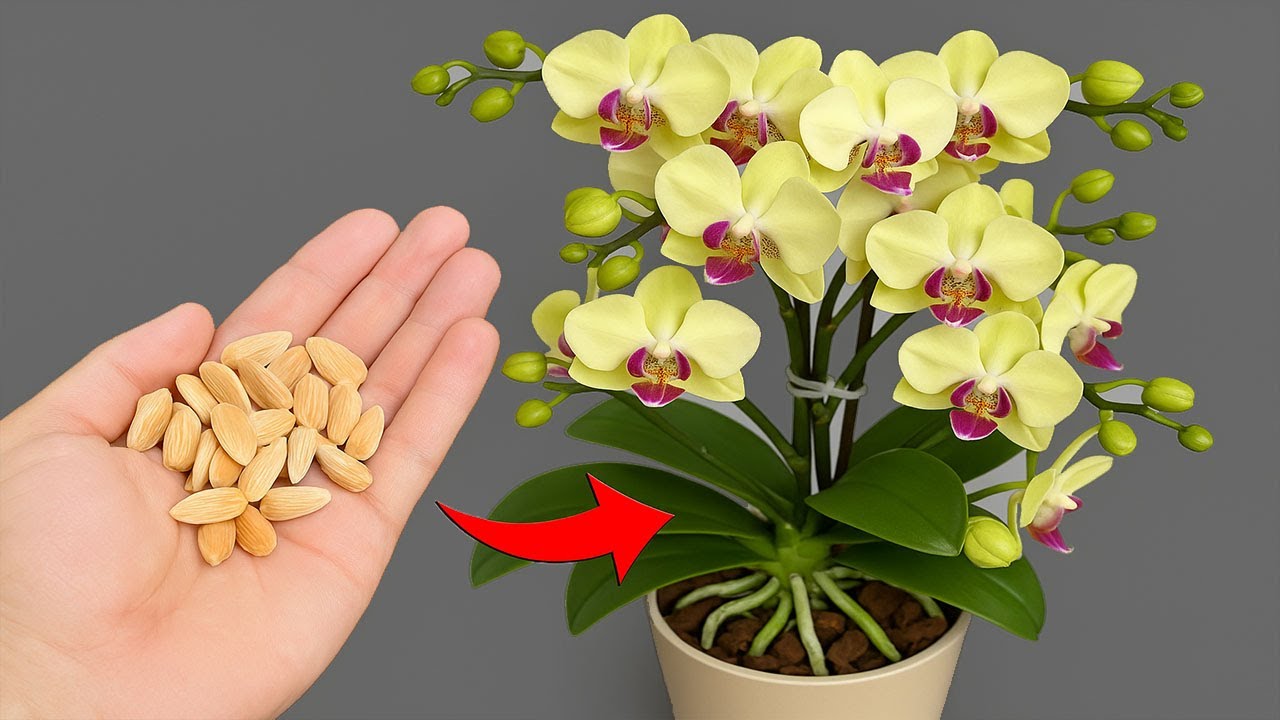
Unlock 5 Secrets to Make Your Orchids Bloom Year-Round!
5 Secrets to Make Your Orchids Bloom Year-Round
- Understanding Orchid Needs
- Providing Optimal Light
- Maintaining Humidity
- Fertilizing Your Orchids
- Common Mistakes to Avoid
- FAQ
Do you ever look at your orchids and wonder why they aren’t blooming as beautifully as you’d hoped? It’s a common frustration for many plant lovers, especially when you’re doing everything “right.” The truth is, orchids have specific needs that can sometimes be overlooked, leading to less-than-satisfactory blooms. Understanding and addressing these requirements can transform your gardening experience. Let’s dive into the secrets that will help your orchids flourish year-round!
Understanding Orchid Needs
Orchids are unique plants with particular needs. A successful blooming cycle begins with knowing what your orchids require. Here are some foundational aspects:
1. Choosing the Right Species
Different types of orchids have varying care requirements. Popular options include
- Cattleya: Known for their large, fragrant blooms.
- Phalaenopsis: Also called moth orchids, they’re beginner-friendly.
- Dendrobium: Require more light and certain temperature ranges.
2. Proper Potting Medium
The potting mix is essential for your orchids’ health. Use a medium that allows for good drainage, such as:
- Fir bark: Offers excellent aeration and moisture retention.
- Perlite: Provides drainage and prevents compaction.
- Coconut coir: Retains water while allowing airflow.
Providing Optimal Light
Light is one of the most crucial elements for blooming. Your orchids will thrive with the right amount of light exposure. Consider the following:
1. Natural Light
- Place your orchids near bright, but indirect light.
- East-facing windows often provide ideal conditions.
- Rotate your plants regularly for even growth.
2. Artificial Lighting
If natural light is limited, artificial options can help:
- Fluorescent grow lights are effective for many setups.
- LED grow lights can be energy-efficient and long-lasting.
Maintaining Humidity
Orchids thrive in humid environments. Here’s how you can create optimal humidity levels and keep your plants healthy:
1. Humidity Trays
Using trays filled with water and pebbles can elevate humidity:
- Fill: A shallow tray with water and add pebbles.
- Position: Set your orchid pots on the pebbles to prevent waterlogging.
2. Regular Misting
Occasional misting can enhance humidity:
- Use a spray bottle to mist the leaves and aerial roots.
- Aim for light, fine misting rather than soaking.
Fertilizing Your Orchids
To encourage blooming, you need to feed your orchids appropriately:
1. Fertilization Schedule
Follow a consistent fertilization routine:
- Dilute: A balanced orchid fertilizer (30–10–10) to half strength.
- Feed: Your orchids every two weeks during the growing season.
2. Special Bloom Boosters
Consider using special formulas designed to promote blooming:
- Higher phosphorus fertilizers can trigger blooming.
- Apply sparingly to avoid over-fertilization.
Common Mistakes to Avoid
Even experienced gardeners can make mistakes that hinder their orchids’ health. Here are some pitfalls to watch out for:
- Overwatering: Ensure the potting medium dries out between watering sessions.
- Ignoring Temperature Fluctuations: Keep your orchids in a stable environment.
- Forgetting to Trim Dead Flowers: Remove faded blooms to encourage new growth.
FAQ
1. How often should I water my orchids?
Generally, water your orchids every 1-2 weeks, allowing the medium to dry out between waterings. Adjust based on humidity and temperature conditions.
2. Can my orchids survive in low light?
While some species can tolerate lower light conditions, most orchids require bright, indirect light for optimal growth and blooming.
3. What is the best time to repot my orchids?
Repotting is best done after blooming has finished, typically every 1-2 years, to refresh the potting medium and inspect the roots.
With these secrets, you can create an environment that promotes consistent blooming with your orchids. Which tips resonated with you, or do you have any other favorite orchid care practices? Share your thoughts in the comments!