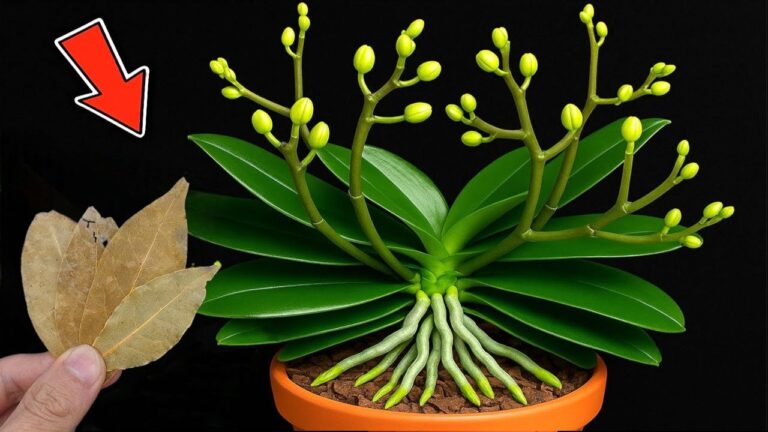
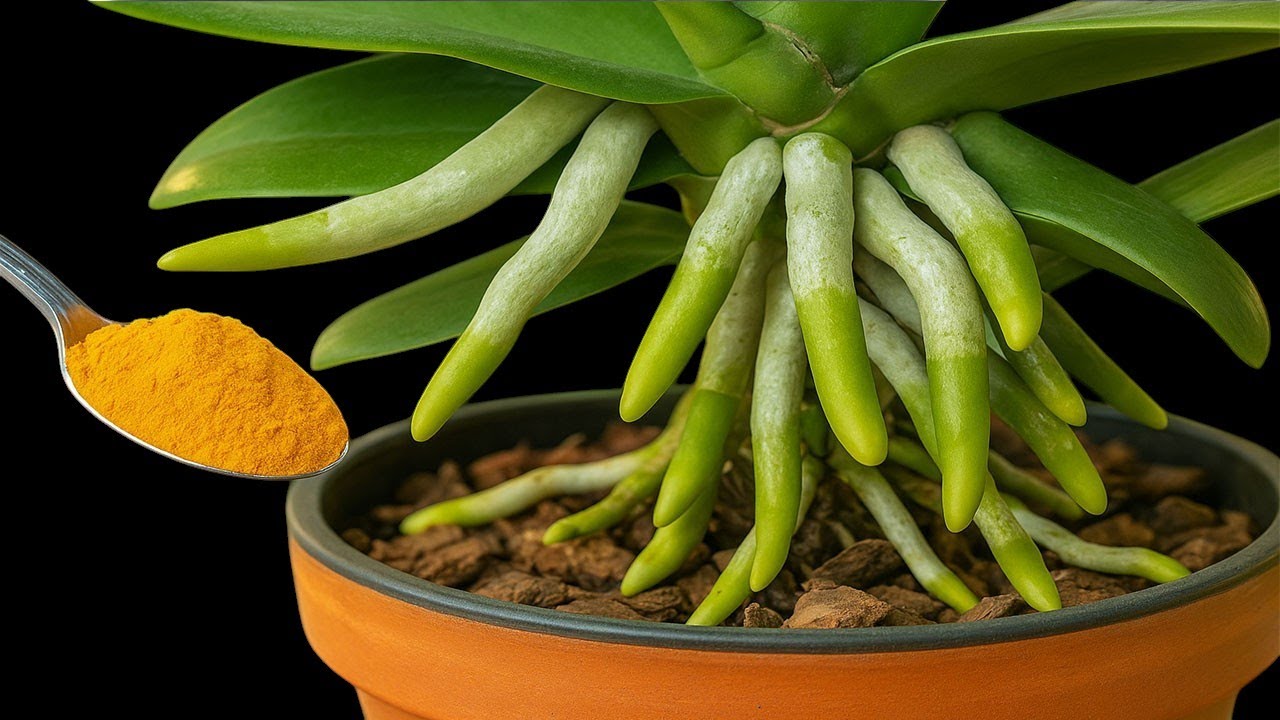
1 Spoonful: Grow Orchids That Bloom All Year Round Instantly!
Growing Orchids That Bloom All Year Round
- Introduction
- Why Orchids Might Not Bloom
- Ideal Growing Conditions for Year-Round Blooms
- Watering and Fertilizing Tips
- Common Mistakes to Avoid
- FAQ
Introduction
Picture this: you’ve nurtured a beautiful orchid, only to notice its blooms fading away too soon. A year without blossoms can feel disappointing, especially when you’ve put in the effort to care for your plant. If you find yourself in this situation, you’re not alone. Many orchid enthusiasts struggle to keep their lovely flowers blooming throughout the year. Understanding how to create the perfect environment for these delicate plants can transform your gardening experience and keep your orchids vibrant and lush.
Why Orchids Might Not Bloom
Understanding why your orchids might not bloom is crucial. Several factors can lead to a lack of flowers, and recognizing them helps you take the right steps toward vibrant growth.
Light Conditions
One primary reason orchids fail to flower is insufficient light. Orchids typically thrive in bright, indirect light. Here are key considerations:
- Assess light levels: If your orchid is in a shaded area, try moving it closer to a window with filtered light.
- Monitor growth patterns: If your plant’s leaves are stretching toward the light, it’s trying to signal that it needs more brightness.
Temperature Fluctuations
Temperature is another crucial element. Most orchids prefer a stable temperature between 65°F and 75°F during the day, and slightly cooler at night.
- Keep orchids away from drafts or heating vents.
- Monitor night temperatures; a drop can encourage blooming.
Ideal Growing Conditions for Year-Round Blooms
Creating the right environment is essential if you want your orchids to bloom all year round. The conditions below can make a significant difference.
Proper Potting and Medium
Orchids thrive best in specialized potting mixes that allow for excellent drainage. Here’s what to consider:
- Use a mix of bark, sphagnum moss, and perlite for optimal air circulation.
- Choose a pot with drainage holes; ensure water doesn’t sit at the bottom.
Humidity Levels
Orchids love humidity. Aim for a humidity level of 40-70%. Here’s how to sustain that:
- Use a humidity tray: Place your orchid pot on a tray filled with pebbles and water, ensuring the pot doesn’t sit in water.
- Regular misting: Lightly mist your orchids daily, especially during hot, dry months.
Watering and Fertilizing Tips
The right watering and fertilizing routine can energize your orchids, making them more likely to bloom. Here’s what you need to know:
Watering Strategies
Watering is often where growers make mistakes. Consider the following methods:
- Water once a week, ensuring the medium dries out slightly between sessions.
- Avoid letting the plant sit in water; overwatering can lead to root rot.
Fertilization
Using the right fertilizer at appropriate intervals encourages blooming:
- Use a balanced orchid fertilizer: Feed with a 30-10-10 fertilizer every two weeks during the growing season.
- Reduce feeding: Cut back during dormancy to prevent over-fertilization.
Common Mistakes to Avoid
Even seasoned gardeners can fall into traps. Here are some common mistakes to watch out for:
Infrequent Repotting
Orchids need repotting every couple of years. If you neglect this, the old mix can compact, leading to water retention. Aim to refresh the potting medium regularly for healthy growth.
Over-Fertilizing
While nutrients are essential, too much fertilizer can harm your plant. Always follow instructions carefully and monitor your orchids closely.
Ignoring Pests
Pests can stifle growth. Regularly inspect your orchids for signs of pests like aphids or mealybugs; early intervention is key to preserving your blooms.
FAQ
How often should I water my orchids?
You should water your orchids once a week, allowing the potting medium to dry out slightly in between waterings.
What is the best fertilizer for orchids?
A balanced orchid fertilizer with a ratio of 30-10-10 is recommended during the growing season to support healthy blooms.
Can I use regular plant fertilizer for my orchids?
It’s best to use fertilizers specifically formulated for orchids, as these provide the right nutrient ratios for their unique needs.
Conclusion
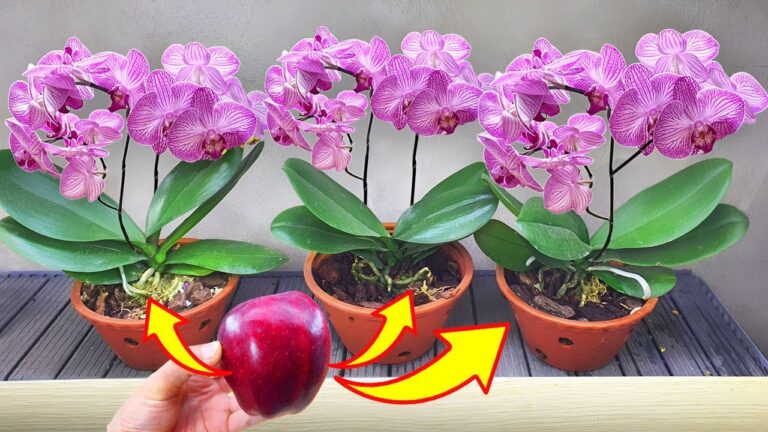
With the right care, your orchids can thrive and provide beautiful blooms year-round. Pay attention to their light, temperature, and watering needs for the best results. What steps will you take to improve your orchid care? Share your thoughts in the comments!