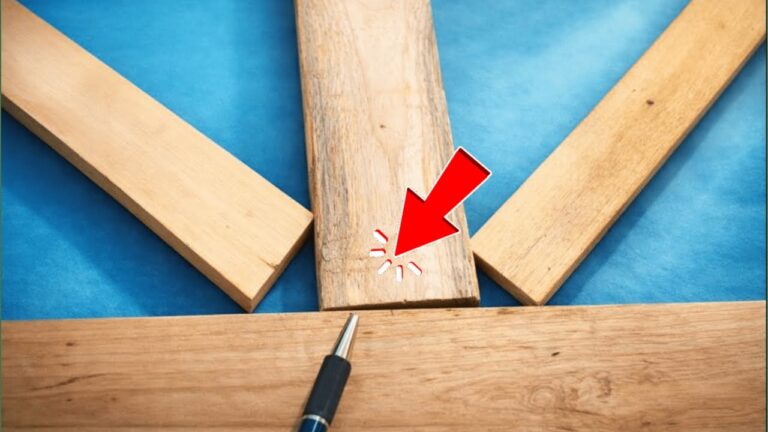
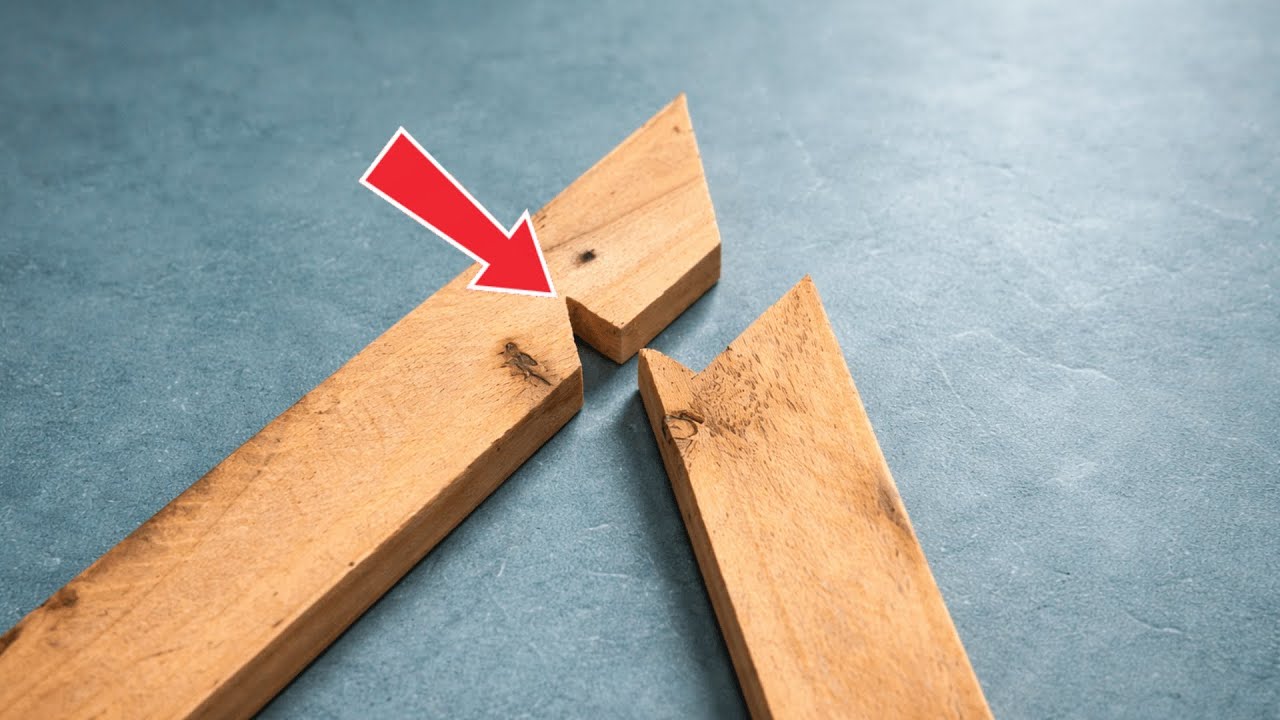
Avoid These 5 Common Wood Joint Mistakes Every Carpenter Makes
Avoid These 5 Common Wood Joint Mistakes Every Carpenter Makes
- Introduction
- Common Wood Joint Mistakes
- Understanding Wood Joints
- Tips for Successful Wood Joints
- Mistakes to Avoid
- FAQ
- Conclusion
Introduction
When working with wood, you may find that creating strong and lasting joints is more challenging than it appears. Perhaps you’ve faced issues with joints that seem secure but later weaken, or maybe the alignment isn’t quite right. These problems can be frustrating and disheartening for any woodworker, whether you’re a seasoned pro or just starting. To enhance your woodworking skills and help you avoid these pitfalls, it’s essential to recognize the common mistakes that many make. Let’s dive in and explore how you can create better wood joints.
Common Wood Joint Mistakes
Understanding the types of wood joints you’ll be working with is vital in avoiding errors. Here are five common mistakes that woodworkers tend to make:
- Neglecting wood grain alignment: Not aligning the wood grain properly can weaken the joint over time.
- Using inadequate glue: Utilizing the wrong type or insufficient amount of glue can lead to failures.
- Over-tightening clamps: Applying too much pressure can distort the wood and affect the joint’s integrity.
- Ignoring joint design: Failing to choose the suitable joint design for the project can compromise the joint’s strength.
- Forgetting to pre-drill holes: Skipping this step can cause the wood to split, affecting joint durability.
Understanding Wood Joints
Before tackling a woodworking project, it’s crucial to understand the different types of wood joints and their respective strengths.
The Importance of Wood Joint Types
Wood joints can vary significantly, affecting both the aesthetic and structural aspects of your project. Some common types include:
- Butt joints: Simple yet effective, butt joints are often used for basic frameworks.
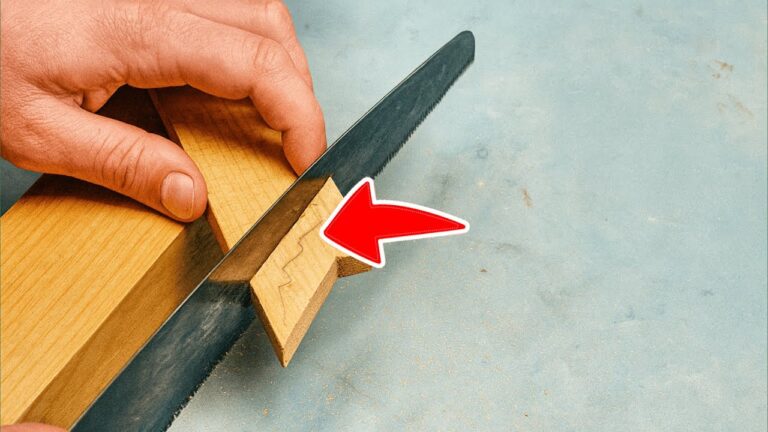
- Miter joints: These are great for corners and provide a clean look.
- Dovetail joints: Known for their strength, dovetails are typically used in drawers.
Where to Use Different Joints
Understanding where to apply each type of joint helps in avoiding common errors. For instance, use dovetail joints in areas needing strength and miter joints where aesthetics matter most.
Tips for Successful Wood Joints
Creating sturdy wood joints requires attention to detail and following some best practices. Here are several tips to ensure your joints come out well:
Quality Materials Are Key
Using high-quality wood and adhesives can significantly improve the strength and durability of your joints. Aim for materials that are suited for your project’s environment.
Proper Tool Use
Employ the right tools for your joints. A good miter saw can make precise cuts, while a router can help create clean edges for various joint designs.
Test Your Techniques
Before fully committing to your project, practice your joint-making skills on scrap wood. This allows you to experiment without risking your main workpiece.
Mistakes to Avoid
To further enhance your woodworking, keep an eye out for these common mistakes that can lead to frustration:
- Skipping measurement checks: Always double-check your measurements before cutting to avoid misalignment.
- Using the wrong clamp type: Different projects require specific clamp types for even pressure.
- Ignoring expansion and contraction: Wood expands and contracts; consider this factor when joining pieces.
FAQ
What are the best joint types for beginners? Butt joints and miter joints are good for beginners as they are simple and require minimal tools.
How can I strengthen my wood joints? Use proper adhesives, align the wood grain correctly, and ensure precision in cutting.
What tools do I need to create wood joints? Basic tools include a saw, clamps, and a drill; advanced options may include a router and chisels.
Conclusion
By recognizing and addressing the common mistakes in wood joints, you can elevate your woodworking projects significantly. Take time to practice and refine your techniques for the best results. What challenges have you encountered while working with wood joints? Feel free to share your experiences in the comments!