5 Signs of High Blood Pressure You Should Never Ignore! Find Out Now!
5 Signs of High Blood Pressure You Should Never Ignore
- Understanding High Blood Pressure
- Common Signs to Watch For
- Potential Causes of High Blood Pressure
- Mistakes to Avoid
- FAQ
Have you ever felt persistently fatigued, experiencing frequent headaches or shortness of breath? These can be signals that something isn’t right within your body. While you may chalk them up to stress or a busy lifestyle, they could be indications of a serious condition: high blood pressure. Understanding the signs can empower you to take control of your health. Continue reading to explore how to recognize these warning signs.
Understanding High Blood Pressure
High blood pressure, or hypertension, affects millions of individuals and often goes unnoticed until complications arise. When your blood pressure is consistently above the normal range, it can put a strain on your heart and blood vessels, leading to severe health issues over time. Keeping track of your blood pressure is key to prevention and management.
What is High Blood Pressure?
Blood pressure is the force of blood against your arteries as your heart pumps it around your body. It’s measured in millimeters of mercury (mmHg) and is expressed as two numbers. The first (systolic) measures the pressure when your heart beats, while the second (diastolic) measures the pressure when your heart rests between beats. Readings above 130/80 mmHg are considered elevated.
Why You Should Monitor Your Blood Pressure
Regular monitoring can help you identify changes that may signal a need for lifestyle adjustments or medical consultation. Early detection allows for timely interventions that can prevent more serious health complications.
Common Signs to Watch For
Recognizing symptoms associated with high blood pressure is essential for early intervention. Here are five signs you should never ignore:
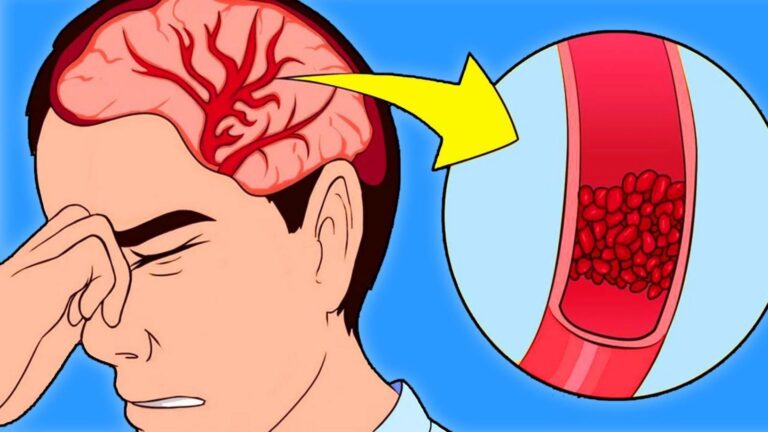
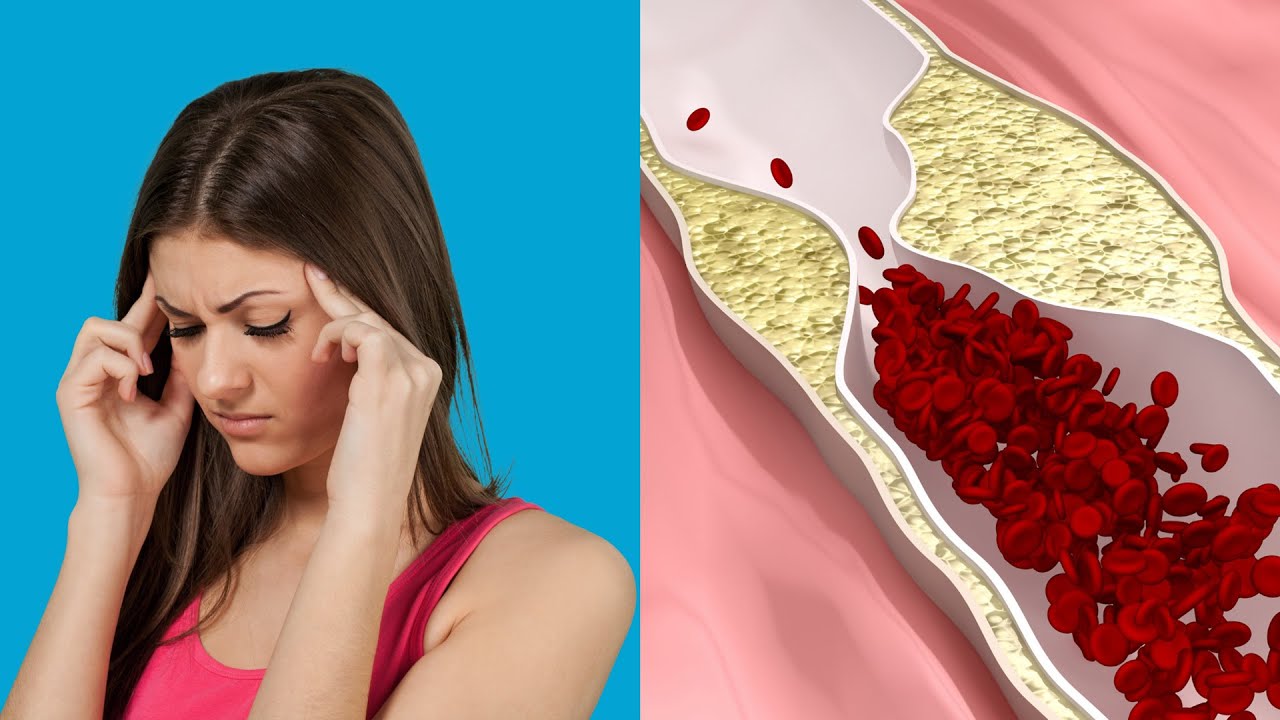
- Headaches: Frequent, severe headaches can be a symptom of hypertension, especially if they occur in the morning.
- Dizziness: Feelings of lightheadedness or faintness may indicate elevated blood pressure levels.
- Shortness of breath: If you experience difficulty breathing during normal activities, it may be related to increased blood pressure.
- Blurry vision: Hypertension can affect your eyesight, leading to blurred or distorted vision.
- Nosebleeds: Unexplained nosebleeds can also signify high blood pressure in some cases.
Pay Attention to Your Body
It’s important to recognize that not everyone with high blood pressure will experience obvious symptoms. Regular check-ups can aid in monitoring your levels, especially if you belong to a high-risk group.
Dealing with Symptoms
If you notice any of these warning signs, it’s crucial to consult with a healthcare professional for evaluation and guidance. Early diagnosis often leads to more effective management.
Potential Causes of High Blood Pressure
Understanding the underlying causes can help you take steps to lower your risk.
Genetic Factors
Your family history can play a significant role in determining your risk for high blood pressure. If close relatives have experienced hypertension, your risk may be heightened.
Lifestyle Choices
Several lifestyle factors can contribute to elevated blood pressure. Here are some key elements to consider:
- Diet: High salt intake, saturated fats, and low potassium levels can negatively influence blood pressure.
- Physical Activity: Sedentary lifestyles are linked with higher blood pressure.
- Alcohol and Smoking: Excessive alcohol consumption and smoking can both elevate your blood pressure levels.
Stress and Mental Health
Chronic stress can contribute to increased blood pressure. It’s important to find effective ways to manage stress through activities like yoga, meditation, or simply spending time outdoors.
Mistakes to Avoid
When it comes to managing blood pressure, it’s as much about what you do as what you don’t do. Here are some common mistakes to avoid:
- Ignoring regular check-ups and blood pressure screenings can delay early detection.
- Underestimating dietary impacts — watch your salt and sugar intake.
- A sedentary lifestyle can exacerbate hypertension; incorporating even short bursts of activity can help.
- Not adhering to prescribed medications or recommendations from your healthcare provider.
- Using stress as an excuse for unhealthy habits, which can increase your risk for high blood pressure.
FAQ
What are the normal ranges for blood pressure?
Normal blood pressure is typically around 120/80 mmHg. Values between 120-129 systolic and under 80 diastolic are considered elevated.
Can high blood pressure be reversed?
Yes, lifestyle changes such as a balanced diet, regular exercise, and stress management can help lower and often reverse high blood pressure.
When should I seek medical help?
You should consult a healthcare professional if you experience any of the warning signs or if your blood pressure readings are consistently elevated.
Conclusion
Recognizing the signs of high blood pressure is crucial for maintaining your overall health. By staying informed and proactive, you can mitigate risks and improve your well-being. What changes are you considering in your lifestyle to support heart health? Your thoughts matter, so feel free to share in the comments.