Master Tomatillo Growth: Harvest 200 Fruits from Each Plant!
Master Tomatillo Growth: Harvest 200 Fruits from Each Plant!
The tomatillo is a vibrant, tangy fruit that perfectly complements spicy dishes. While they are widely known as a key ingredient in salsa verde, these versatile green fruits can elevate meals at any time of the day—from breakfast and lunch to dinner. Tomatillos add a zesty, lemony flavor to various dishes like stews, salads, stir-fries, casseroles, and marinades. With their sweet and tart balance, they can even be used in jams, pies, and baked treats. Best of all, tomatillos are easy to grow, promising a bountiful harvest throughout the summer and into autumn.
About Tomatillos
Native to Mexico, tomatillos have a rich history that dates back to the Maya and Aztec civilizations, where they played a significant role in cultural and economic practices. They belong to the Solanaceae family and are scientifically known as Physalis philadelphica or Physalis ixocarpa.
These herbaceous perennials can reach up to three feet tall and wide. In regions below zone 8, they are typically cultivated as annuals. Like their close relatives, tomatoes, tomatillos thrive in warm, sunny conditions.
Characteristics
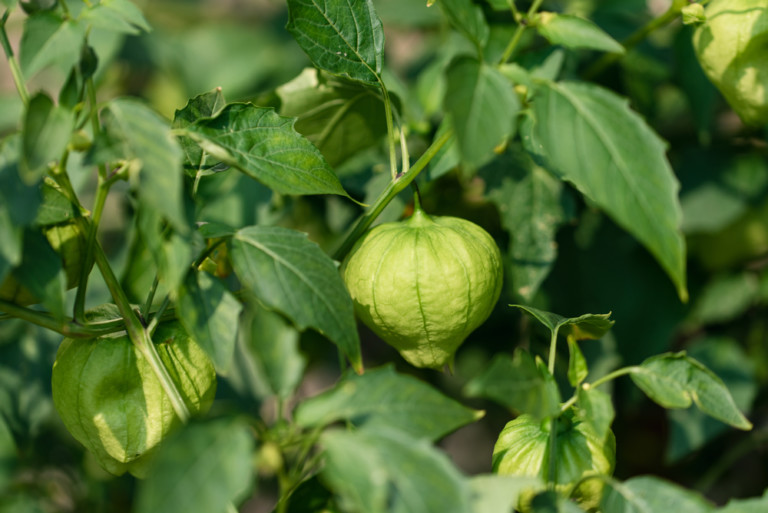
Although tomato and tomatillo plants are related, they look quite different. Tomatillo leaves are ovate with a pointed tip and irregular edges. The flowers, yellow with brown splotches, develop in leaf axils, eventually transforming into fruits that resemble small plums.
Known as husk tomatoes, tomatillos are enveloped in thin, papery husks that start green but turn light tan as they mature. The fruit ripens beneath the husk, taking on various colors including green, yellow, or purple, depending on the cultivar.
Tomatillo Varieties
There are several tomatillo cultivars, each boasting unique flavors, growth habits, and maturity times. Here are four popular varieties you can grow at home:
- Toma Verde – 60 to 80 Days: This compact variety is high-yielding, producing light green, firm fruits about 2 inches in diameter. Toma Verde tomatillos are tart when fresh but sweeter when cooked.
- Grande Rio Verde – 80 to 85 Days: Known for its larger apple-green fruits that measure 2 to 3 inches. Excellent for salsa, their sweet and tangy flavor makes them a favorite.
- Gigante – 100 Days: Producing the largest fruit at about 4 inches in diameter, this sweeter variety often falls from the plant when ripe. It requires staking due to its indeterminate growth habit.
- Purple de Milpa – 70 to 90 Days: An heirloom variety originating in Mexico, it yields 2-inch fruits that turn dusky purple and are perfect for jams and desserts. This vigorous type can grow over 4 feet tall.
Tomatillo Growing Conditions
Hardiness
Tomatillos thrive in zones 8 to 10.
Light Requirements
Ensure tomatillos are planted in a full sun location.
Soil
While tomatillos can tolerate various soil conditions, they flourish in well-draining soil rich in organic matter with a pH level between 5.5 and 7.3.
Watering
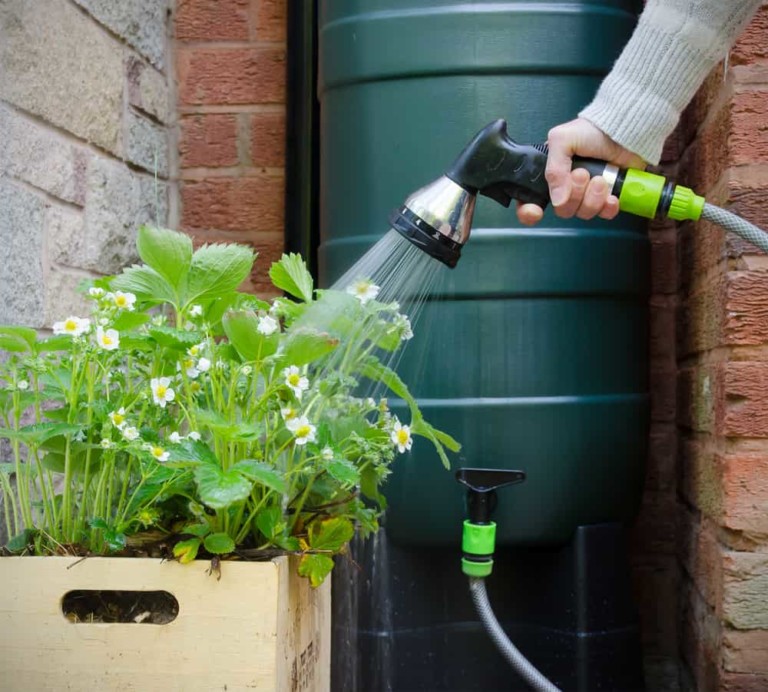
Keep the soil consistently moist. In the garden, water them with 1 to 2 inches of water per week. For container-grown tomatillos, water daily or when the top inch of soil is dry.
Fertilizer
Use compost tea every few weeks to keep plants productive throughout the season.
Plant Supports
To prevent sprawling, use stakes, cages, or other supports for tomatillo plants.
Pollination
Remember that tomatillos are not self-pollinating; plant at least two within 25 feet of each other for successful fruit set.
Companion Plants
Marigolds and nasturtiums can attract pollinators. Additionally, basil, chives, sage, and garlic repel pests while carrots, onions, and Brassicas grow well alongside tomatillos.
How to Grow Tomatillos from Seed
Tomatillos prefer warm weather and do not thrive in temperatures below 61°F (16°C). For those with a long growing season, sow seeds directly in the garden once nighttime temps are above 65°F (18°C). Otherwise, start seeds indoors 4 to 8 weeks before the last expected frost date.
- Sow seeds ¼ to ½ inch deep in individual pots filled with fertile potting soil.
- Moisten the soil and place pots in a warm area away from direct sunlight.
- Expect seedlings to emerge within a week, then move them to a sunny location and maintain consistent soil moisture.
- Once plants are at least 3 inches tall, harden them off and transplant into the garden, spacing them 18 to 24 inches apart with 36 to 48 inches between rows.
How to Harvest Tomatillos
Tomatillo plants are prolific, producing anywhere from 60 to 200 fruits per season, averaging around 2.5 pounds of zesty fruit. Harvest begins once the fruits detach from their husks, and they should be collected when ripe, either on the plant or those that have fallen to the ground. For traditional salsa verde, pick tomatillos before they ripen fully.
How to Preserve and Store Tomatillos
To enjoy tomatillos immediately, peel away the husks and rinse off the sticky residue. Fresh tomatillos can be kept in the refrigerator for two to three weeks when stored with their husks on. For longer storage, freeze them after husking and rinsing, ensuring they are dry before placing them in an airtight container.
Water bath canning tomatillos is another effective preservation method. You can can them whole or prepare sauces and salsas beforehand.
Tomatillo Seed Saving
If you live in zones 8 to 10 and can keep tomatillos as perennial plants, learn to save seeds for future growth. To save seeds:
- Soak the seeds in water for a day or two to ferment.
- Collect the seeds that sink to the bottom, rinse them, and lay them out to dry.
When stored in a cool, dry place, tomatillo seeds can remain viable for up to six years.
Tomatillo Diseases and Pests
Overall, tomatillo plants are primarily trouble-free but can still be susceptible to pests that affect tomatoes. Monitor for common pests such as cutworms, whiteflies, and potato beetles. Avoid issues such as powdery mildew by ensuring proper air circulation and not allowing foliage to touch the ground.
Practicing crop rotation can help reduce the risk of pests and diseases. It’s advisable not to plant tomatillos in the same location as other Solanaceae crops for at least three years.
Conclusion
With the right care and conditions, tomatillos can yield a substantial harvest, offering a unique and flavorful addition to your meals. Embrace the joys of growing these vibrant fruits and enjoy their culinary versatility year-round!